Cnc Turning Services
We deliver precision CNC milling from prototype to production. Utilizing advanced multi-axis machining centers, we create complex, high-tolerance parts in various metals. Trust SINCERE for quality, reliability, and on-time delivery.
- 50+ Metal Materials
- 100% Quality Inspected
- Production in 3-15 days
- Save 30% on Costs
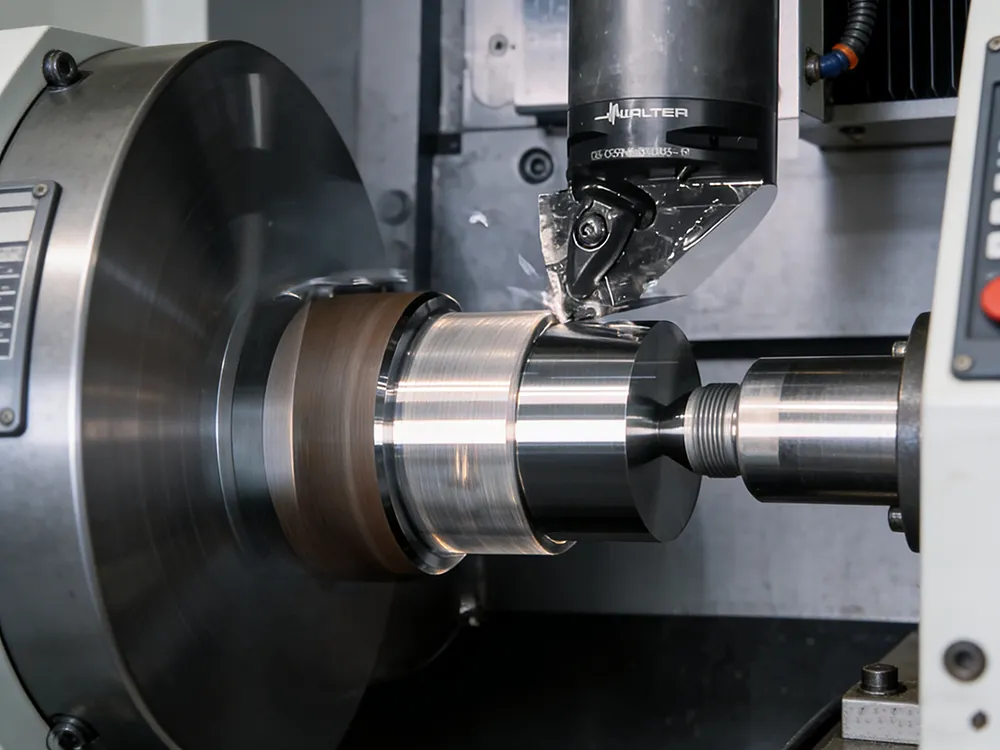
What is CNC Turning?
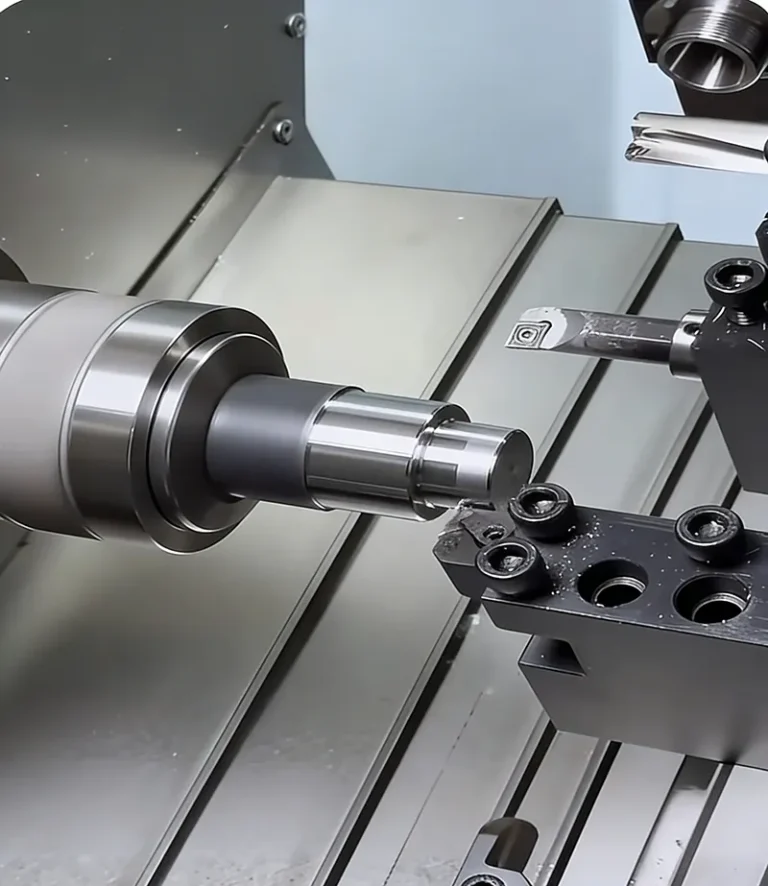
CNC Turning is a core CNC machining process where the workpiece rotates while a stationary cutting tool removes material. This method excels at creating precise cylindrical and conical shapes like shafts, pins, and bushings with excellent concentricity and surface finish. It is ideal for high-volume production of rotationally symmetric metal parts. At SINCERE, we utilize advanced CNC lathes and Swiss-type machines to deliver high-accuracy turned components efficiently.
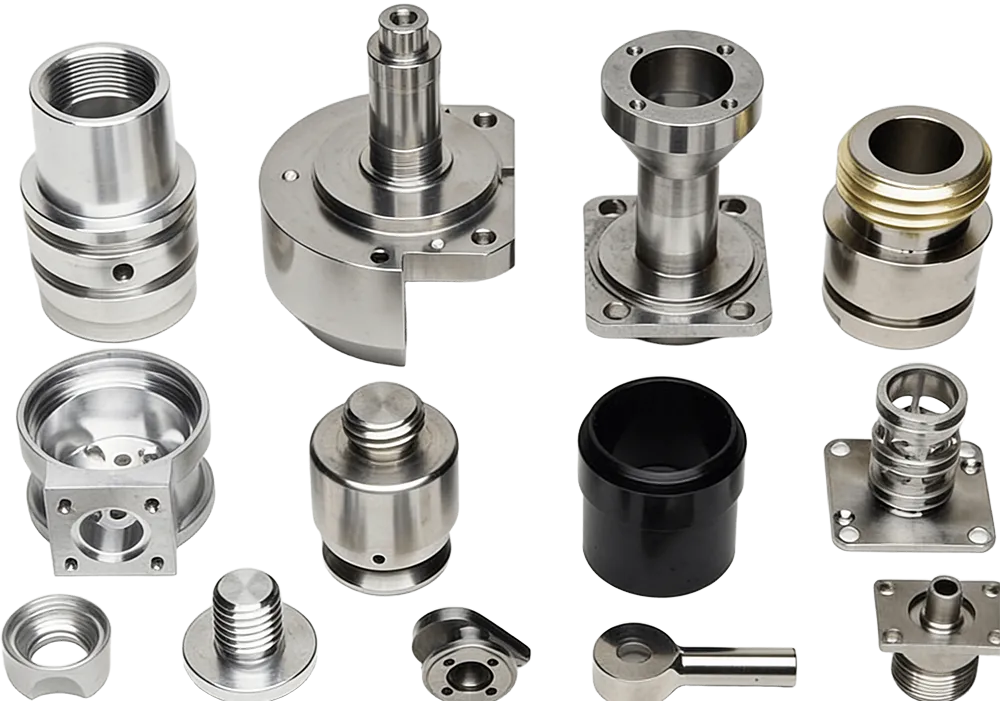
CNC Turning Parts
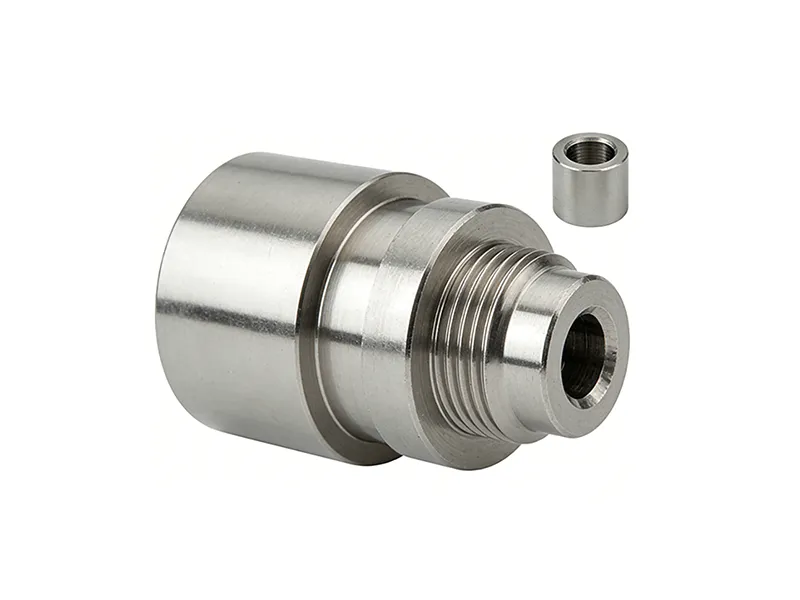
Threaded Adapter with Nut
A complex stainless steel adapter featuring external threads and a matching nut, CNC-machined to facilitate secure connections between different components or systems.
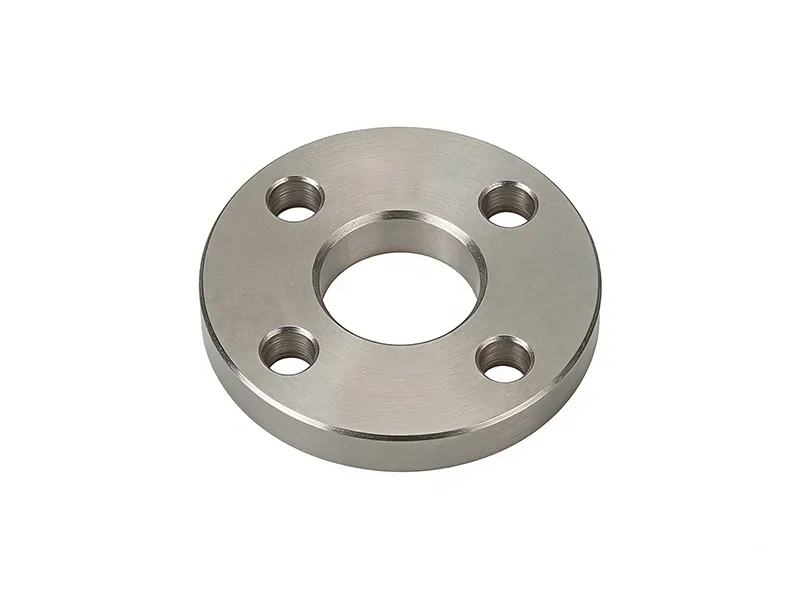
Four-Hole Flange
A circular stainless steel flange, CNC turned with a central bore and four evenly spaced mounting holes, ideal for creating rigid connections between components.
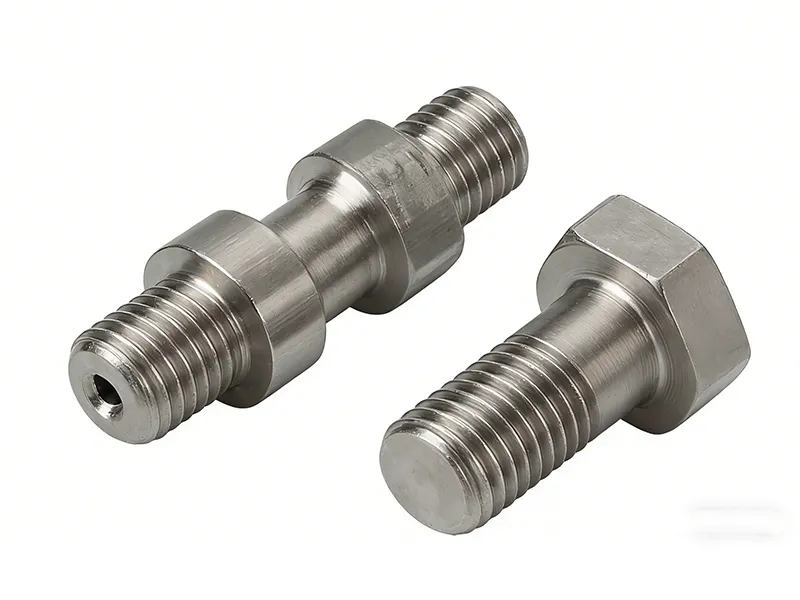
Dual-Threaded Stud
A precision CNC-machined stainless steel stud with external threads at both ends, designed for secure mechanical fastening and alignment in industrial assemblies.
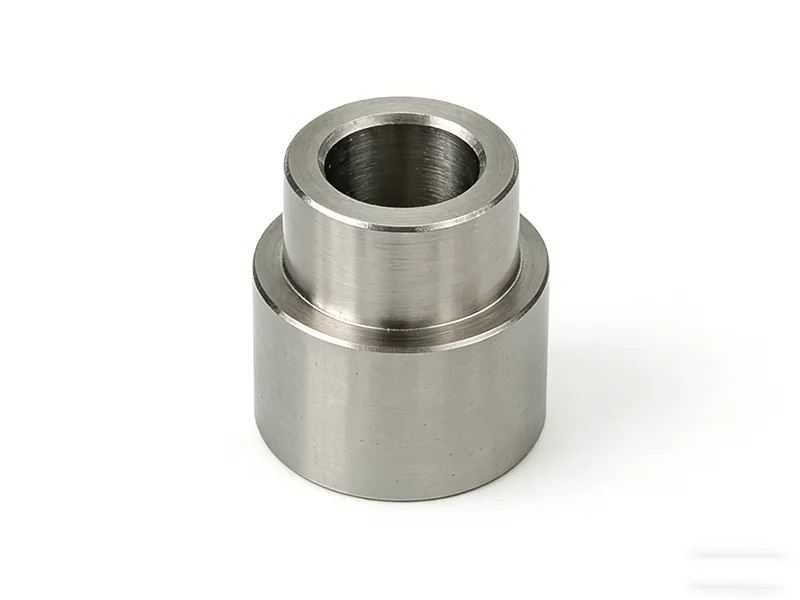
Stepped Bushing
A two-stage cylindrical stainless steel bushing, precision machined to provide a stepped inner diameter, used for guiding, supporting, or spacing moving parts in machinery.
CNC Turning Parts Material
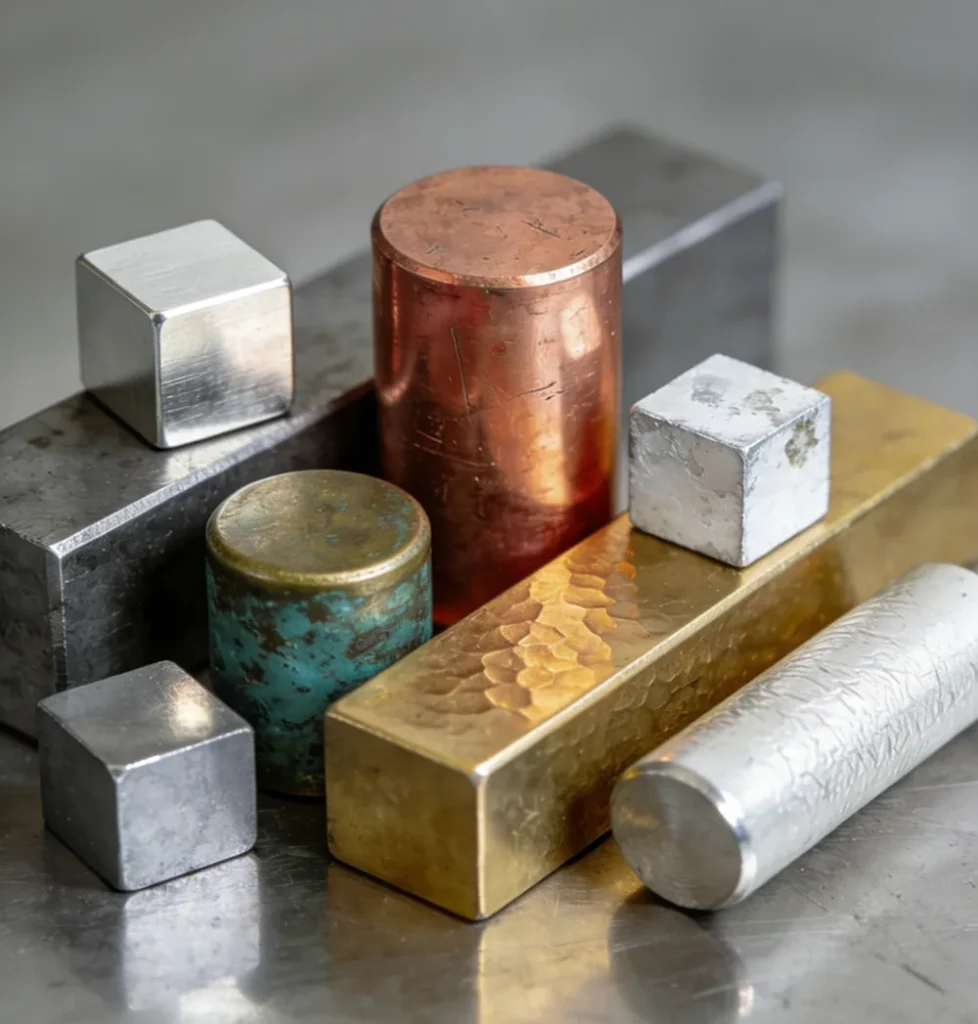
CNC turning, like other precision machining methods, accommodates a diverse selection of engineering materials. At SINCERE, we primarily machine metals and alloys to manufacture high-performance turned components. Our commonly used materials encompass:
- Aluminum
- Stainless Steel
- Carbon & Alloy Steel
- Brass
- Copper
- Titanium
We ensure all selected materials possess the necessary strength and machinability for stable production. Furthermore, we offer expert guidance and support for custom material specifications to meet your unique application requirements.
Design & Tolerance for Precision Machining
At SINCERE, we deliver CNC turned parts with exceptionally tight tolerances, ensuring perfect fit, function, and performance. Our process control and advanced metrology guarantee consistent, repeatable results for your most demanding applications.
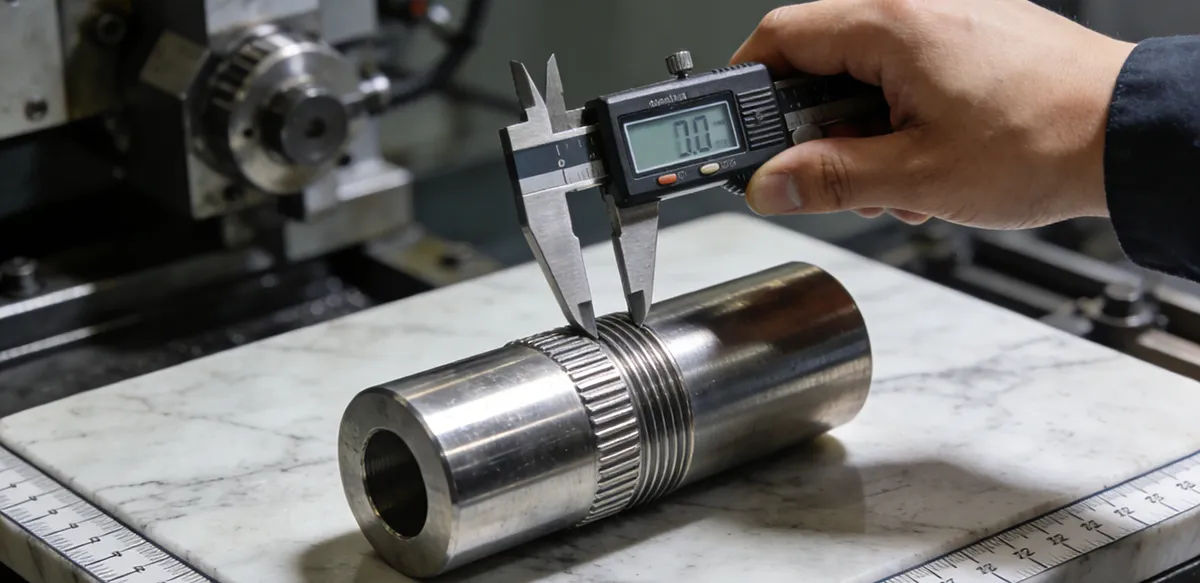
| Feature | Standard Tolerance | High-Precision Tolerance |
| Diameter | ±0.025 mm (±0.001") | ±0.005 mm (±0.0002") |
| Concentricity | 0.05 mm TIR | 0.01 mm TIR |
| Surface Finish (Ra) | 1.6 μm (63 μin) | 0.8 μm (32 μin) or better |
Why Our Tolerances Give You an Advantage:
Guaranteed Fit: Our ±0.005mm diameter tolerance on critical features eliminates assembly issues and ensures seamless integration.
Superior Performance: Exceptional concentricity (<0.01mm) is critical for rotating components like shafts and bearings, reducing vibration and wear.
Reduced Need for Finishing: Achieving smooth surface finishes directly from the machine minimizes post-processing time and cost.
Built on a Certified System: All tolerances are achieved and verified under our ISO 9001:2015 quality management system, using calibrated CMMs and precision instruments.
Let us meet your exact specifications. Submit your drawing for a feasibility review and quote.
Why Choose SINCERE for CNC Turning?
High Concentricity
Ensures perfect roundness and alignment for shafts, pins, and bearings, critical for smooth rotation.
Excellent Surface Finish
Delivers smooth, often mirror-like surfaces directly from the machine, reducing need for secondary finishing.
Fast Production Cycles
Ideal for high-volume runs of rotational parts, with automated feeding enabling continuous, efficient output.
Wide Material Range
Machines various metals including stainless steel, aluminum, brass, titanium, and alloy steels.
Rigorous Quality Control
Each part undergoes dimensional and surface inspection to guarantee it meets specified tolerances and standards.
CNC Turning for Various Parts
- Bushings
- Pins
- Flanges
- and other precision-turned items
CNC Turned Parts Applications
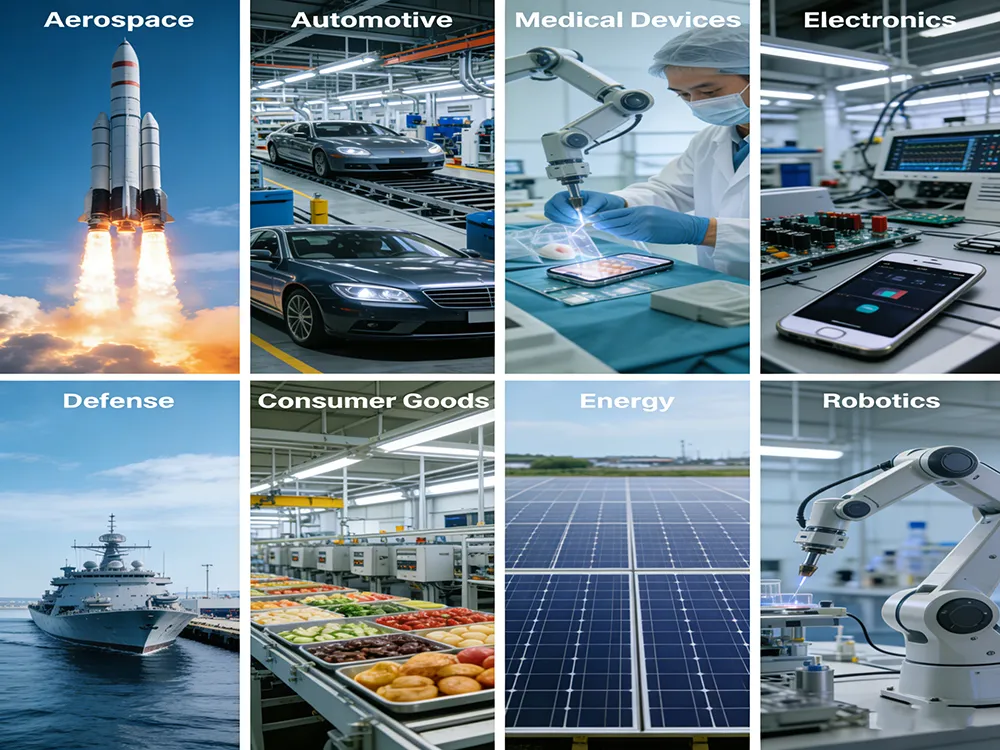
CNC turned parts are essential across industries for their precision, reliability, and suitability for high-volume production.
They are widely used in:
Automotive: Engine sensors, transmission shafts, and valve components.
Medical: Surgical instrument handles, implantable bone screws, and connector pins.
Aerospace: Lightweight actuator housings, hydraulic fittings, and fasteners.
Industrial: Drive shafts, roller bearings, and fluid connector bodies.
Consumer Electronics: Precision spacers, shafts for small motors, and wearable device components.
This process is ideal for creating rotationally symmetric parts that require excellent concentricity, tight tolerances, and a superior surface finish.
Quality Assurance for CNC Turning
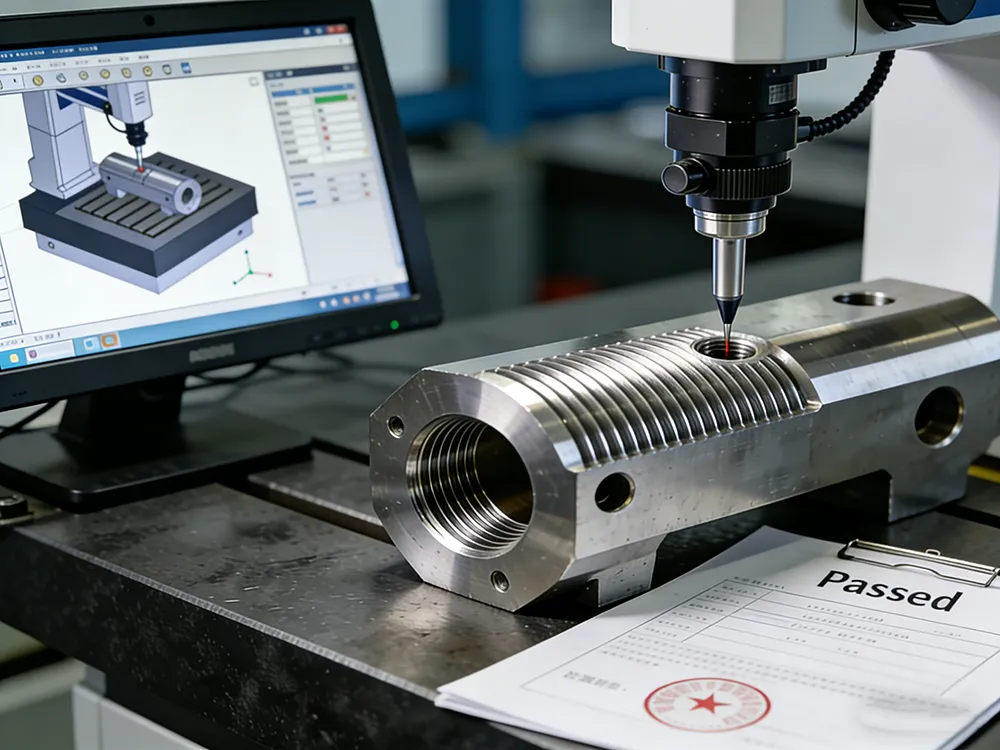
At SINCERE, quality is integral to our turning process. We ensure precision through:
Key Inspections:
First-Article & In-Process Checks
Dimensional Verification with CMMs
Concentricity & Surface Finish Testing
Our Commitment:
ISO 9001:2015 Certified System
Full Traceability & Reporting
SPC for High-Volume Consistency
FAQ About CNC Turning Services
What types of parts are best suited for CNC turning?
CNC turning is ideal for manufacturing rotationally symmetric parts such as shafts, pins, bushings, connectors, and flanges that require excellent concentricity and cylindrical precision.
What are your standard tolerances for CNC turned parts?
We typically hold diameter tolerances to ±0.025mm (±0.001″), with high-precision capabilities achieving ±0.005mm (±0.0002″) for critical features.
What materials can you machine with CNC turning?
We machine a wide range of metals including aluminum, stainless steel (303, 304, 316), brass, copper, alloy steels, and titanium for various industrial applications.
Can you handle both prototype and production quantities?
Yes, we support projects from single-piece prototypes to high-volume production runs, utilizing both manual setups and automated solutions for optimal efficiency at any scale.
What is the difference between CNC turning and Swiss machining?
CNC turning is excellent for general rotational parts, while Swiss machining (using a sliding headstock lathe) is specialized for long, slender, or small-diameter parts requiring extreme precision and complex features in a single setup. We offer both technologies.
Expert Engineering Support
Contact our engineers for free technical consultation or project review.