Precision Die Casting Services
From prototype to million-unit runs — we deliver precision zinc & aluminum die castings with excellent dimensional stability and cost efficiency
- 800T-2500T Clamping Force
- ±0.05mm Dimensional Tolerance
- Aluminum & Zinc Alloys
- High-Volume Production Ready
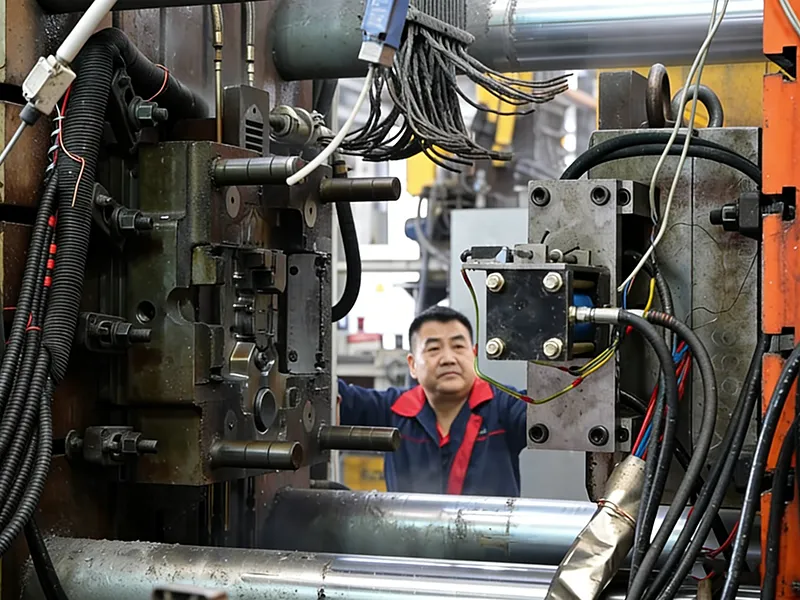
What is Die Casting?
Die Casting is a high-volume metal molding process where molten metal is injected under intense pressure into a precision steel mold cavity. The principle involves two main methods: Hot-Chamber for lower-melting-point metals like zinc, where the injection mechanism is submerged in the melt; and Cold-Chamber for aluminum and brass, where molten metal is ladled into a chamber before a piston forces it into the mold. The rapid high-pressure injection ensures the metal fills even the most intricate details before quickly solidifying. The mold then opens, and the finished part is ejected.
This process is renowned for producing strong, complex, and dimensionally stable metal parts with excellent surface finishes and thin walls at a very fast rate. It is ideal for high-volume production runs, as the initial cost of the production-grade steel tooling is offset by the low per-part cost and minimal need for secondary machining. Common applications range from automotive components and electronics housings to consumer hardware.
Die Casting Parts
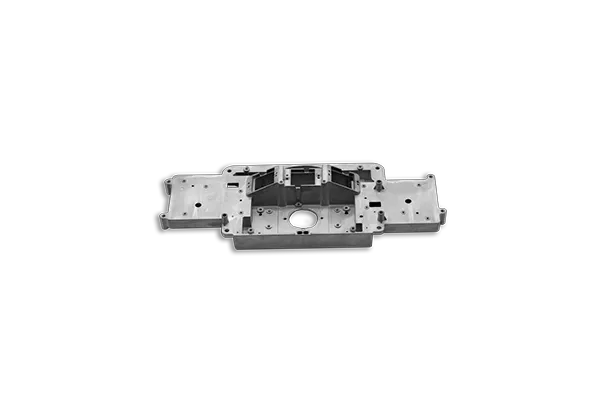
Aluminum Die Casting Bracket
High-strength aluminum die casting with integrated holes and complex geometry for lightweight structural applications.
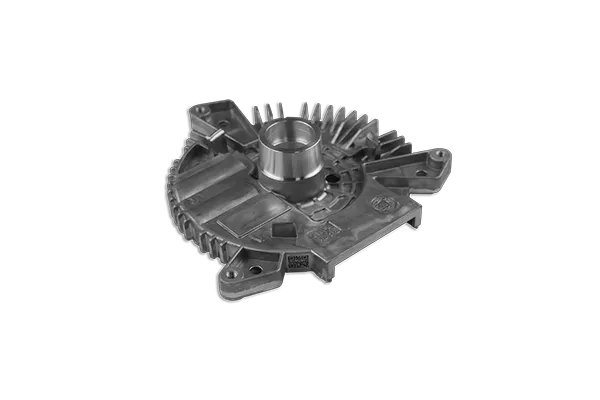
ZincAluminum Die Casting Par
Precision zinc or aluminum die cast component for demanding engine and gearbox assemblies, offering strength and heat resistance.
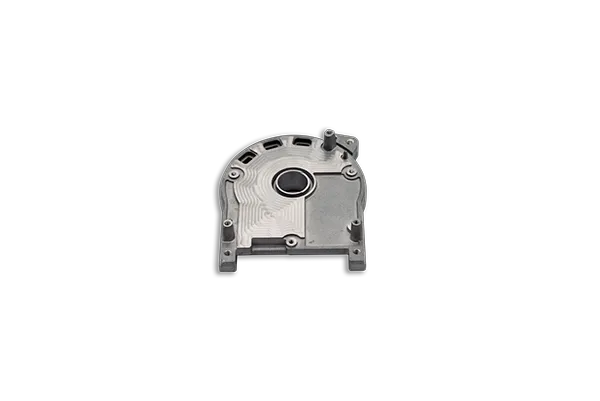
Aluminum Die Casting Part
High-strength, lightweight aluminum die casting component engineered for durable automotive and machinery applications.
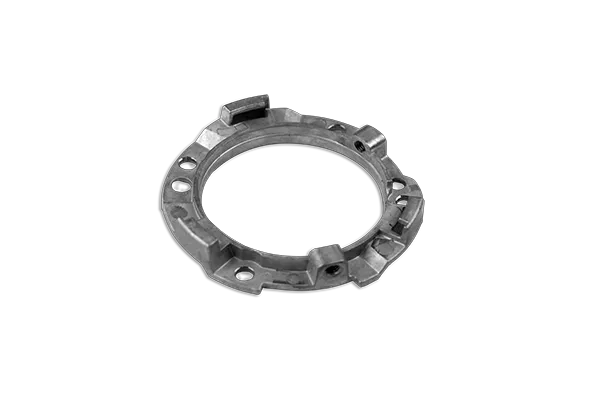
Aluminum Die Casting Flange
High-strength, lightweight aluminum die-cast flange featuring precise mounting holes and notches for secure assembly.
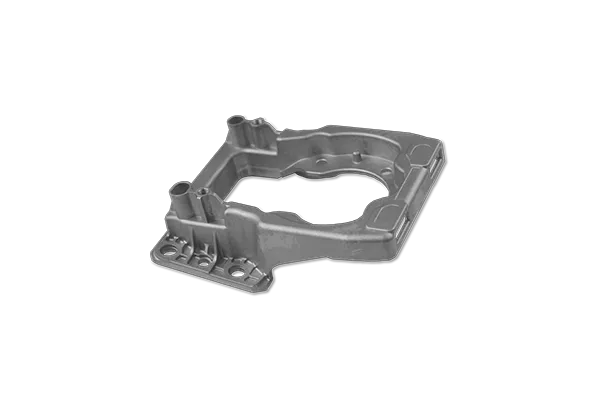
Aluminum Die Casting Connector
Complex aluminum die casting connector featuring integrated bosses for strength and a unique cutout for lightweight design.
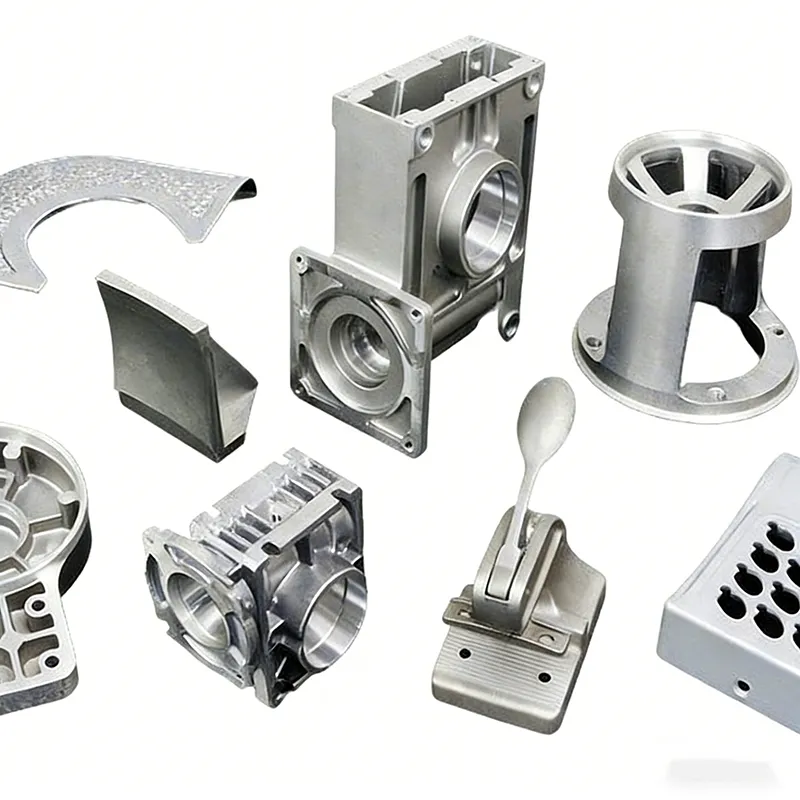
Custom Die Cast Part Design & Material Selection
SINCERE produces high-precision die-cast parts for diverse applications, from faucets and valve bodies to enclosures and automotive components. We utilize premium materials to ensure durability and performance, including:
- Aluminum
- Zinc
- Magnesium
- Copper Alloys
- Steel
Custom finishing options include bead blasting, powder coating, deburring, and polishing to achieve your desired appearance and surface quality.
Experience SINCERE Custom Die Casting
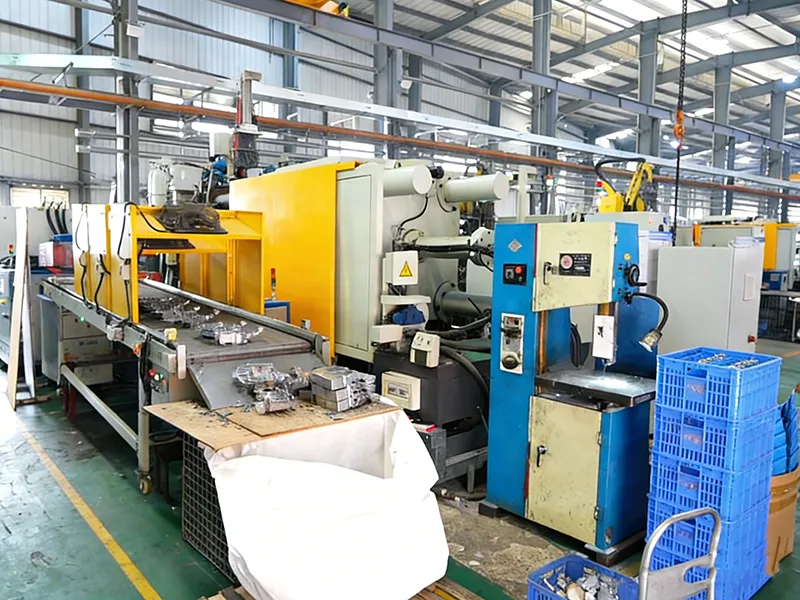
where precision meets performance. We specialize in high-integrity, complex die-cast parts tailored to your exact specifications, from rapid prototyping to high-volume production.
Using premium aluminum, zinc, and magnesium alloys, we deliver strength, lightweight properties, and excellent surface finishes. Our process supports intricate geometries, tight tolerances, and custom finishing—ensuring durability and reliability for automotive, industrial, and consumer applications.
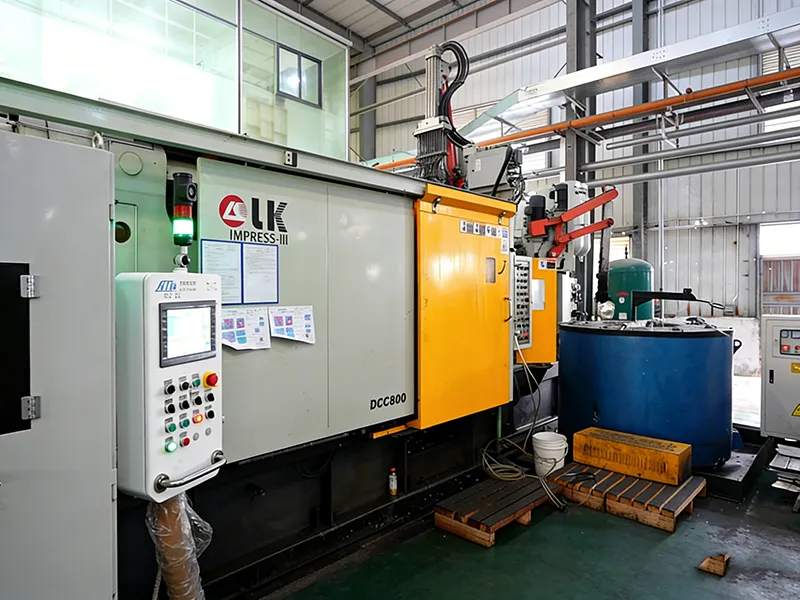
Why Choose SINCERE for Your Die Casting Services?
Cost Efficiency
Achieve 30-50% cost reduction versus traditional machining through optimized tooling design, efficient material use, and high-volume production economies. Our die casting process minimizes waste and secondary operations.
Rapid Lead Times
Benefit from fast and reliable production cycles. Our streamlined process, from mold design to final finishing, ensures quick turnaround times without compromising quality or precision.
Quality Assurance
Every part meets exacting standards with tolerances within ±0.01mm. Our quality is backed by ISO 9001:2015 certification, ensuring reliable performance for demanding applications.
Turn Your Concept Into a Prototype Now
Features of SINCERE Custom Die Cast Parts
- Design Flexibility Achieve intricate features, varying wall thicknesses, and complex internal geometries directly in the mold, enabling innovative and functional part designs.
- Rapid Production Speed Once the mold is ready, cycle times are extremely fast, making it ideal for producing large volumes of parts efficiently and cost-effectively.
- Superior Part Strength The high-pressure process produces dense, pore-free parts with excellent mechanical properties, ensuring durability and structural integrity.
- Excellent Surface Finish Parts come out of the mold with a smooth, high-quality surface, minimizing the need for extensive secondary finishing operations.
Die Casting FAQ
What are the main differences between aluminum and zinc die casting, and how do I choose?
Aluminum die casting offers a superior strength-to-weight ratio and excellent corrosion resistance, ideal for automotive and aerospace parts. Zinc die casting provides higher strength, hardness, and intricate detail at a lower melting point, perfect for small, complex components like gears and connectors. The choice depends on your priority: weight and corrosion resistance (aluminum) or ultimate strength and detail (zinc).
Why is there an upfront cost for tooling (molds) in die casting, and is it cost-effective?
The upfront investment covers the design and machining of high-precision, durable steel molds. This initial cost is offset over the production run, making die casting extremely cost-effective for medium to high volumes (typically hundreds to millions of parts), as the per-part cost becomes very low with excellent repeatability.
How complex can a die-cast part design be?
Die casting excels at producing highly complex geometries that would be costly or impossible with other methods. It can integrate features like thin walls, internal channels, bosses, ribs, and precise threads directly into the mold, minimizing the need for secondary machining. SINCERE provides Design for Manufacturability (DFM) analysis to optimize your design for the process.
What finishing options are available for die-cast parts?
Our castings can be finished to meet aesthetic and functional needs. Common options include powder coating or painting for color and protection, bead blasting for a uniform matte texture, plating for enhanced wear/conductivity, and simple deburring or machining for precise dimensions. We provide samples to help you select the best finish.
What are the most common applications for die-cast parts?
Die casting is versatile across industries. Common applications include automotive (engine brackets, housings), consumer electronics (laptop frames, connector bodies), industrial machinery (gears, pump components), power tools (housing), and numerous consumer products requiring durable, net-shape metal parts.
Request Your Quote to Begin with Confidence
From prototype to production, we deliver high-quality CNC machined parts with fast turnaround and competitive pricing, seamlessly.