Precision Medical Device Components Manufacturing And Prototyping
SINCERE delivers certified medical device components and prototyping, supported by ISO 9001 and ISO 13485 quality management systems.
- Reduce development time by up to 40%.
- De-risk regulatory submission pathways.
- Accelerate pilot production by over 30%.
- Guaranteed IP protection with NDAs.

Your Reliable Partner for CNC Medical Components in China
SINCERE is your trusted manufacturing partner, dedicated to producing high-precision CNC components for the global medical industry. We combine engineering expertise with stringent quality systems to deliver parts you can depend on.
Our advanced multi-axis CNC machining centers are capable of producing complex, tight-tolerance components from biocompatible metals and plastics. All processes are governed by our ISO 9001 and ISO 13485 certified quality management systems.
We specialize in surgical instrument parts, diagnostic device components, implantable prototypes, and assemblies. From prototyping to full-scale production, we ensure consistency, traceability, and compliance at every stage.
Contact us to start your project today.
We Are Experts in CNC Medical Parts
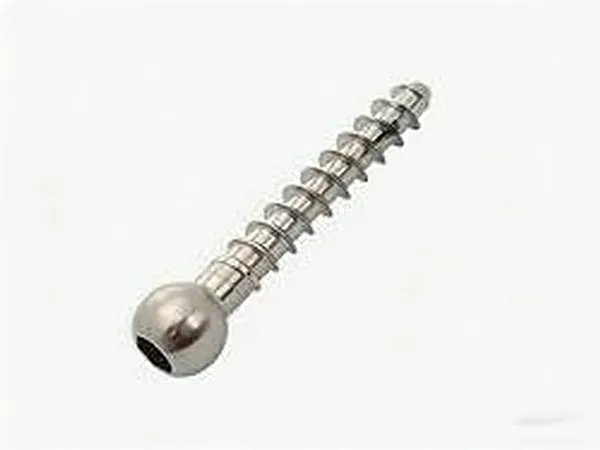
Titanium Orthopedic Bone Screw
High-strength titanium bone screw designed for stable fixation in orthopedic and trauma surgeries.
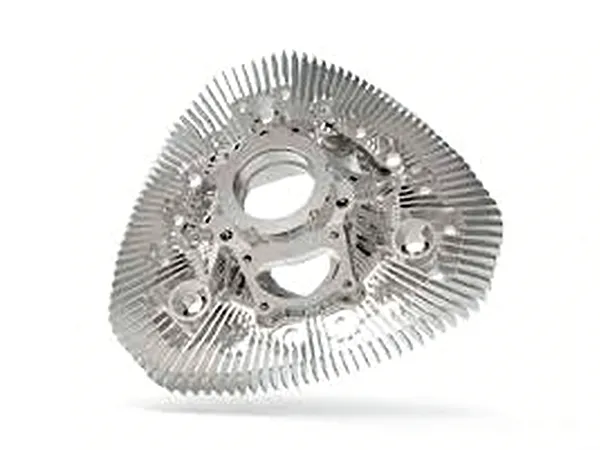
Precision Medical Device Heat Sink
Engineered heat sink for efficient thermal management in high-performance medical devices.
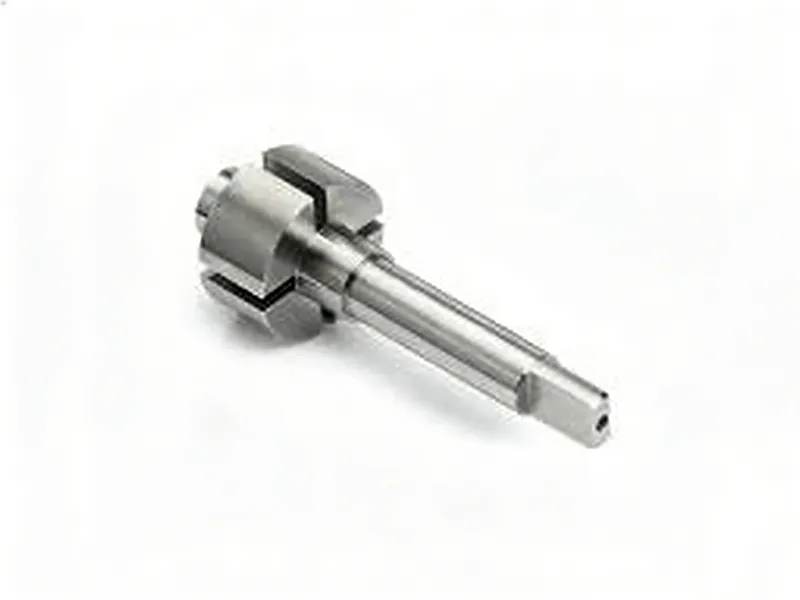
Precision Shaft for Surgical Instruments
Durable, high-precision shaft component ensuring reliability and accuracy in surgical tools.
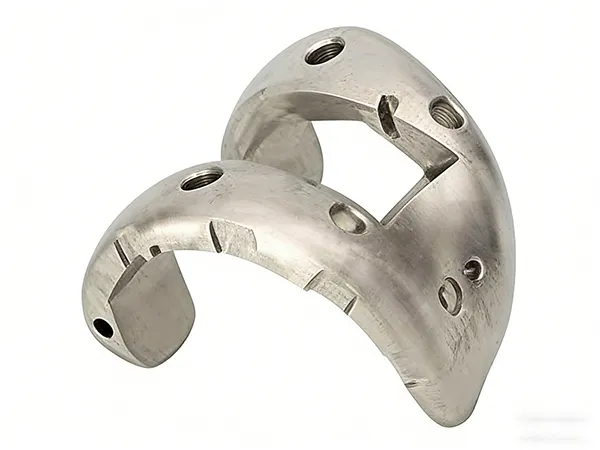
Orthopedic Joint Prosthesis Component
Precision-machined component for joint implants, offering durability and biocompatibility.
Best Practices for Medical Device Prototyping and Manufacturing
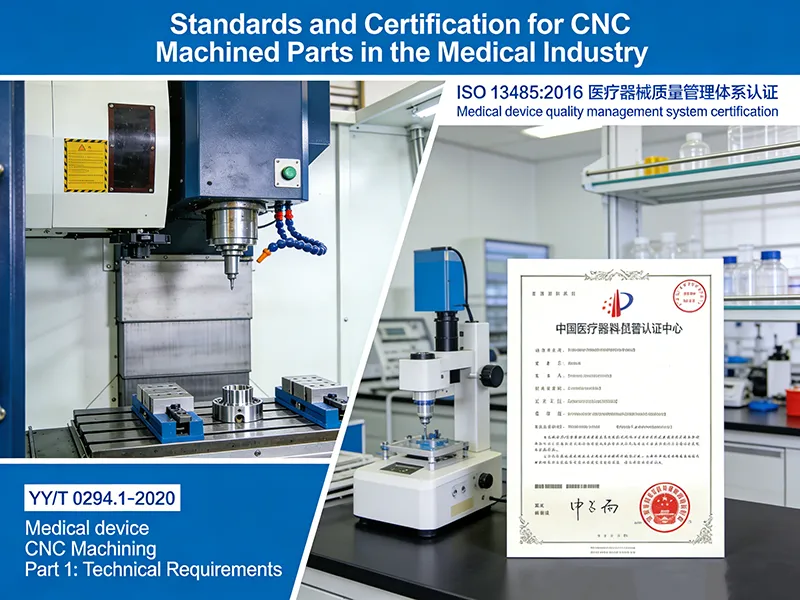
CNC medical components differ from ordinary metal parts in that they must conform to stringent industry standards, including:
- ISO 9001:A foundational quality framework for consistent production of reliable components and continuous process improvement in manufacturing.
- ISO 14001:Manages the environmental impact of component production, focusing on waste, resource use, and sustainability in medical manufacturing.
- ISO 50001:Systematically improves energy efficiency in production facilities, reducing costs and the carbon footprint of manufacturing operations.
- ISO 13485 : The mandatory quality system standard for designing and manufacturing medical components, ensuring safety, regulatory compliance, and traceability.
Best Practices for Medical Device Prototyping and Manufacturing
To produce CNC medical components, compliance with certifications and standards must be supported by essential foundations, including:
- Holds critical tolerances to ±0.025mm (±0.001″) for reliable medical device performance.
- 4/5-axis CNC machining produces complex geometries in a single, precise setup.
- Parts are machined in controlled cleanroom environments to meet stringent particulate standards.
- Offers certified biocompatible metals and polymers for diverse application requirements.
- Implements a full contamination control plan from production to final packaging.
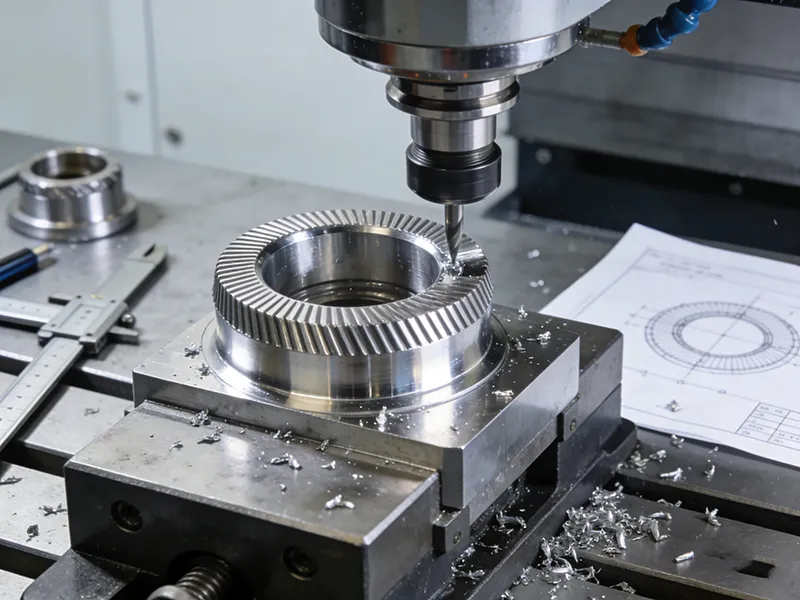
Turn Your Concept Into a Prototype Now
Best Practices for Medical Device Prototyping and Manufacturing
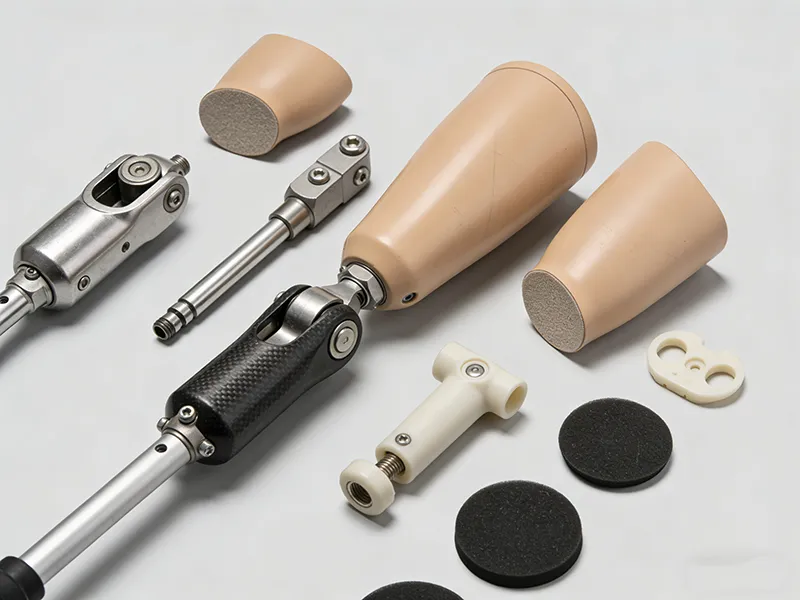
Evaluate, Test, and Validate Every Step of Your Process
1、Proof of Concept (PoC)
Validates the feasibility of the core idea or technology.
2、Visual / Appearance Model
Demonstrates the product’s appearance, dimensions, and texture, primarily for aesthetic evaluation.
3、Functional Prototype
A sample with complete or primary functionality, used for performance testing.
4、Engineering Validation (EVT)
Verifies at the engineering level that the design meets all preset performance and specification requirements.
5、Pilot Production
Small-batch production using formal production lines to validate manufacturing processes, costs, and yield rates.
CNC Machining for the Medical Industry
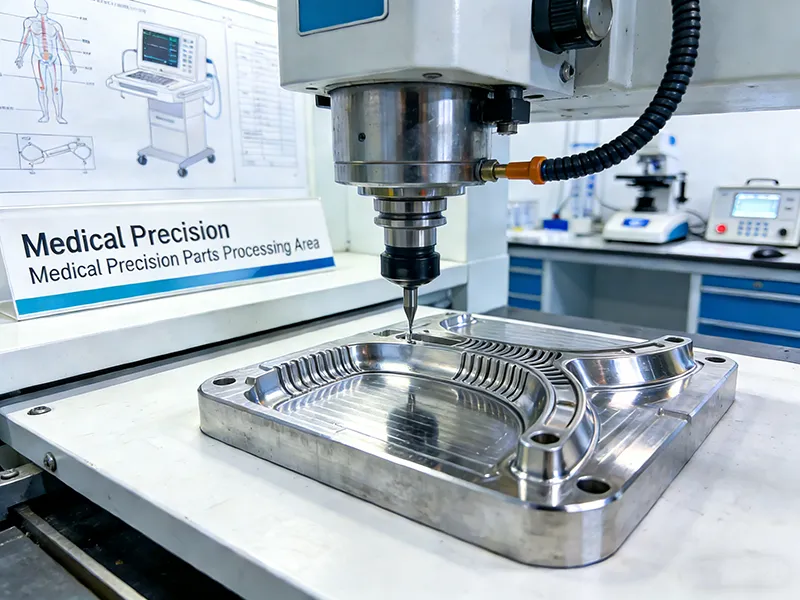
SINCERE provides reliable CNC machining to produce various medical components, such as surgical instrument parts, implant prototypes, dental abutments, orthopedic trial components, and housings for diagnostic devices, and more. We offer specialized machining capabilities including:
- multi-axis CNC machining
- micro-machining
- mirror finishing
- turning of biocompatible materials.
- Wire EDM
- Additive Manufacturing
and more.
Die Casting FAQ
What are the main differences between aluminum and zinc die casting, and how do I choose?
Aluminum die casting offers a superior strength-to-weight ratio and excellent corrosion resistance, ideal for automotive and aerospace parts. Zinc die casting provides higher strength, hardness, and intricate detail at a lower melting point, perfect for small, complex components like gears and connectors. The choice depends on your priority: weight and corrosion resistance (aluminum) or ultimate strength and detail (zinc).
Why is there an upfront cost for tooling (molds) in die casting, and is it cost-effective?
The upfront investment covers the design and machining of high-precision, durable steel molds. This initial cost is offset over the production run, making die casting extremely cost-effective for medium to high volumes (typically hundreds to millions of parts), as the per-part cost becomes very low with excellent repeatability.
How complex can a die-cast part design be?
Die casting excels at producing highly complex geometries that would be costly or impossible with other methods. It can integrate features like thin walls, internal channels, bosses, ribs, and precise threads directly into the mold, minimizing the need for secondary machining. SINCERE provides Design for Manufacturability (DFM) analysis to optimize your design for the process.
What finishing options are available for die-cast parts?
Our castings can be finished to meet aesthetic and functional needs. Common options include powder coating or painting for color and protection, bead blasting for a uniform matte texture, plating for enhanced wear/conductivity, and simple deburring or machining for precise dimensions. We provide samples to help you select the best finish.
What are the most common applications for die-cast parts?
Die casting is versatile across industries. Common applications include automotive (engine brackets, housings), consumer electronics (laptop frames, connector bodies), industrial machinery (gears, pump components), power tools (housing), and numerous consumer products requiring durable, net-shape metal parts.
Request Your Quote to Begin with Confidence
From prototype to production, we deliver high-quality CNC machined parts with fast turnaround and competitive pricing, seamlessly.