Text milling is a precise CNC machining process used to engrave letters, logos, and markings on various materials such as metal, plastic, and wood. This guide explains how text milling works, the tools and techniques involved, and how to choose the right CNC lettering services to achieve high-quality, durable results.
What Is Text Milling?
Definition of Text Milling
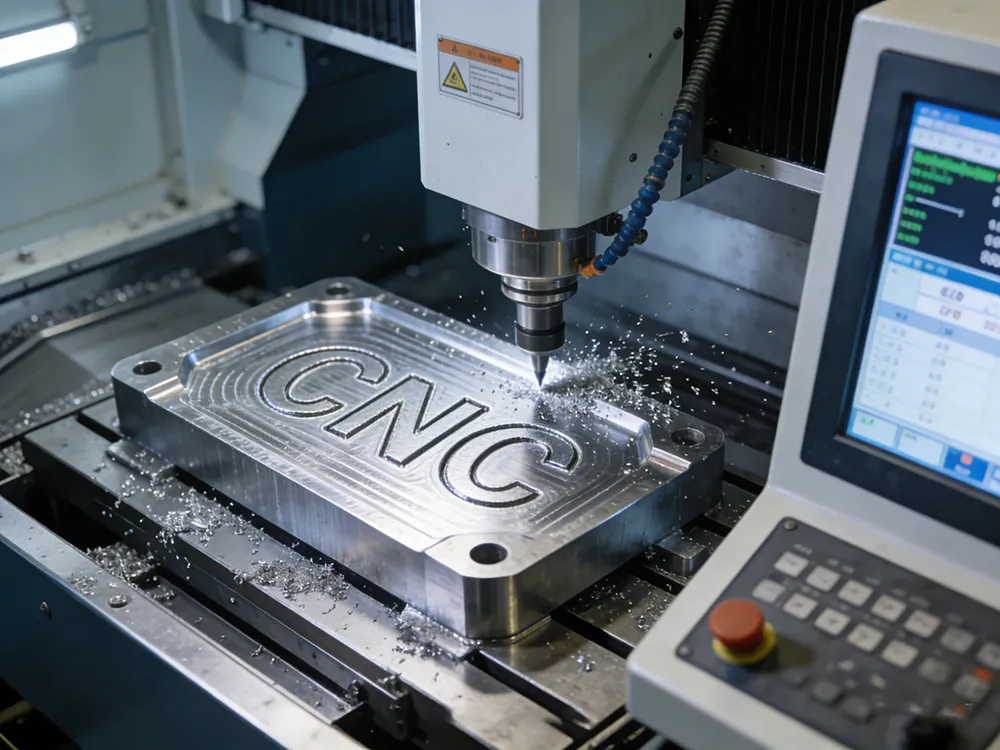
Text milling refers to the process of using CNC (Computer Numerical Control) machines to carve or engrave text into a surface using advanced CNC machining services. Unlike laser engraving or chemical etching, text milling physically removes material using cutting tools to create depth and texture.
This method is widely used in manufacturing and product customization because it produces durable, high-precision markings that won’t fade over time.
Common Applications
Text milling is used across many industries, including applications in automotive, aerospace, and medical manufacturing.
- Industrial nameplates and identification tags
- Branding and logo engraving
- Mold and tool marking
- Control panels and machine labels
- Custom signage and decorative products
Because of its precision and durability, CNC text milling is often preferred for applications that require long-lasting and professional finishes.
How CNC Text Milling Works
The CNC text milling process involves three main steps (learn more about CNC machining):
1. CAD Design
The text or logo is first created in CAD (Computer-Aided Design) software. Fonts, sizes, and layout are defined at this stage.
2. CAM Programming
The design is converted into toolpaths using CAM (Computer-Aided Manufacturing) software. This determines how the cutting tool will move.
3. CNC Machining
The CNC machine executes the toolpath, cutting into the material to create the desired lettering.
Key Factors Affecting Quality
Several factors influence the final result:
- Toolpath strategy: Smooth paths produce cleaner edges
- Cutting speed and feed rate: Too fast may cause rough finishes
- Depth of cut: Determines visibility and durability
- Material type: Harder materials require different settings
Proper optimization of these parameters is essential for achieving high-quality text milling results.
Best Tools for Text Milling
Engraving Cutters
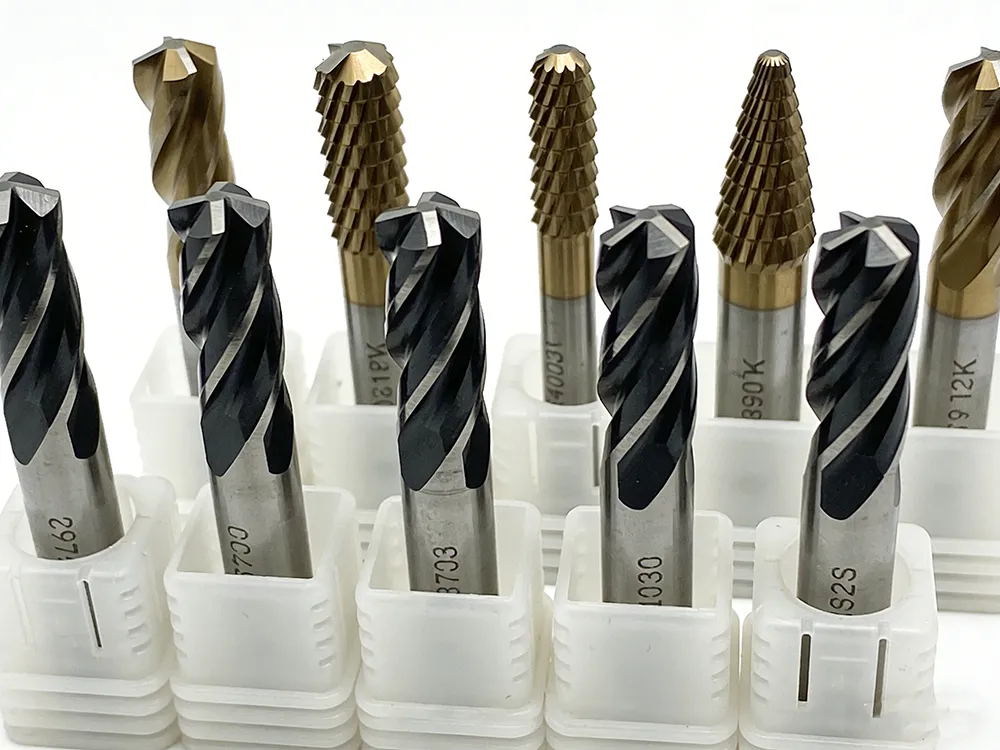
Different tools are used depending on the desired effect:
- V-Bit Cutters
Ideal for sharp, clean lettering and fine details - Ball Nose Cutters
Used for rounded edges and smoother finishes - Flat End Mills
Suitable for bold, block-style text
CNC Machines for Lettering
Desktop CNC Machines
- Cost-effective
- Suitable for small projects and prototypes
Industrial CNC Machines
- High precision and speed
- Ideal for mass production and metal engraving
Software for Text Milling
Popular CNC software includes tools like Fusion 360, Mastercam, and VCarve. You can explore Autodesk’s official Fusion 360 platform for advanced CNC programming capabilities.
- Fusion 360
- Mastercam
- VCarve
- SolidWorks CAM
These tools help generate accurate toolpaths and improve machining efficiency.
Materials Suitable for Text Milling
Metal
- Aluminum (easy to machine, widely used)
- Stainless steel (durable but harder to cut)
- Brass (excellent for decorative engraving)
Plastic
- Acrylic (clean finish, popular for signage)
- ABS (impact-resistant)
- Polycarbonate
Wood
- Hardwood (oak, maple) for premium finish
- Softwood for budget-friendly applications
Choosing the right material is critical because it affects tool wear, finish quality, and machining time.
Text Milling vs Other Marking Methods
Text Milling vs Laser Engraving
| Feature | Text Milling | Laser Engraving |
|---|---|---|
| Depth | Deep cuts | Surface-level |
| Durability | Very high | Medium |
| Precision | High | Very high |
| Cost | Moderate | Lower for simple jobs |
Text milling is better for deep, durable markings, while laser engraving is faster for light marking.
Text Milling vs Etching
- Etching uses chemicals
- Less durable
- Limited depth control
CNC text milling offers better control and longer-lasting results.
Common Problems and Solutions
Poor Surface Finish
Cause: Incorrect speed or dull tools
Solution: Optimize feed rate and use sharp cutters
Tool Breakage
Cause: Excessive cutting force
Solution: Reduce depth per pass and use proper tool material
Uneven Depth
Cause: Machine calibration issues
Solution: Ensure proper setup and leveling
How to Choose Text Milling Services
What to Look For
When selecting a CNC text milling service provider, consider:
- Experience in CNC lettering
- Machine precision and capabilities
- Material compatibility
- Quality control processes
Cost Factors
The cost of text milling depends on:
- Material type
- Design complexity
- Production volume
- Required precision
Custom CNC Lettering Services
Professional services can provide:
- Custom fonts and designs
- High-volume production
- Advanced finishing options
Best Practices for High-Quality Text Milling
To achieve optimal results:
- Use simple, readable fonts for small text
- Choose the correct tool for the job
- Optimize spindle speed and feed rate
- Avoid excessive depth in a single pass
- Test on sample material before final production and consider a DFM review to optimize manufacturability.
These practices help improve both efficiency and final product quality.
Future Trends in CNC Text Milling (2026)
The field of CNC text milling continues to evolve:
- Automation and smart CNC systems
- AI-driven toolpath optimization
- High-speed machining technologies
- Improved cutting tools for precision work
These advancements are making text milling faster, more accurate, and more cost-effective.
FAQ About Text Milling
What is text milling used for?
Text milling is used to engrave letters, numbers, and logos onto materials such as metal, plastic, and wood. It is commonly applied in industrial labeling, branding, and custom product manufacturing.
Is CNC text milling better than laser engraving?
CNC text milling is better for deep, durable engravings, while laser engraving is faster and suitable for surface marking. The best choice depends on your project requirements.
What tools are used for text milling?
Common tools include V-bit cutters, ball nose end mills, and flat end mills. The choice depends on the design and material.
How deep can CNC lettering go?
CNC lettering depth varies depending on the material and tool used, but typically ranges from 0.1 mm to several millimeters for industrial applications.
What materials can be milled for text?
Text milling can be performed on metals (aluminum, steel), plastics (acrylic, ABS), and wood. Each material requires specific cutting parameters.