Metals are essential materials used across nearly every industry, from construction and transportation to electronics and medical devices. Understanding the different types of metals, their properties, and how they are used can help manufacturers and engineers choose the right material for specific applications. This guide explores the main categories of metals, their characteristics, and how they are applied in real-world industries, especially in CNC machining and precision manufacturing.

What Are Metals?
Definition of Metals
Metals are materials known for their strength, durability, and ability to conduct heat and electricity, as defined in material science resources such as metal definition in chemistry. Most metals are solid at room temperature (except mercury) and are characterized by properties such as malleability, ductility, and a shiny appearance.
Because of these properties, metals can be shaped, cut, and formed into a wide range of products. This makes them a foundational material in manufacturing processes, including CNC machining.
Why Metal Selection Matters in Manufacturing
Choosing the right metal is not just a technical decision—it directly impacts cost, performance, and manufacturability.
For example, aluminum is lightweight and easy to machine, making it ideal for rapid production. In contrast, stainless steel offers excellent corrosion resistance but can be more difficult and expensive to process.
Incorrect material selection can lead to higher production costs, poor product performance, or even failure in demanding environments. That’s why understanding metal types is critical for engineers and buyers alike.
Main Types of Metals
Ferrous Metals
Ferrous metals contain iron and are known for their strength and durability. They are widely used in structural and heavy-duty applications.
Common examples include steel and cast iron. Steel is one of the most widely used materials in the world due to its high strength and versatility. Cast iron, on the other hand, is known for its excellent wear resistance and compressive strength.
However, ferrous metals are generally prone to rust unless treated or alloyed with elements like chromium.
Non-Ferrous Metals
Non-ferrous metals do not contain iron, which gives them better resistance to corrosion. They are often lighter and easier to work with compared to ferrous metals.
Examples include aluminum, copper, brass, and titanium. These metals are widely used in industries where weight reduction, conductivity, or corrosion resistance is important.
Non-ferrous metals are especially common in CNC machining due to their excellent machinability and performance characteristics.
Common Types of Metals and Their Properties
Steel
Steel is one of the most versatile and widely used metals. It offers high strength and durability, making it suitable for construction, automotive parts, and machinery.
Different types of steel, such as carbon steel and alloy steel, provide varying levels of hardness and resistance.
Stainless Steel
Stainless steel contains chromium, which gives it excellent corrosion resistance. It is commonly used in medical devices, food processing equipment, and marine applications.
Although it is strong and durable, stainless steel can be more challenging to machine compared to other metals.
Aluminum
Aluminum is a lightweight metal with excellent corrosion resistance. It is widely used in aerospace, automotive, and electronics industries.
Its ease of machining makes it one of the most popular materials for CNC manufacturing. Aluminum also offers a good balance between strength and weight.
Copper
Copper is well known for its exceptional electrical and thermal conductivity. It is commonly used in electrical wiring, heat exchangers, and electronic components.
However, copper is relatively soft, which can limit its use in high-strength applications.
Brass
Brass is an alloy of copper and zinc. It is easy to machine and has an attractive appearance, making it suitable for decorative components, fittings, and valves.
Its corrosion resistance and workability make it a preferred choice for precision parts.
Titanium
Titanium is known for its high strength-to-weight ratio and excellent corrosion resistance. It is widely used in aerospace, medical implants, and high-performance engineering applications.
Although titanium offers superior performance, it is more expensive and difficult to machine.
Key Properties of Metals
Understanding metal properties is essential when selecting materials for manufacturing.
Strength refers to a metal’s ability to withstand force without breaking. Hardness measures resistance to wear or deformation. Corrosion resistance determines how well a metal performs in harsh environments. Thermal conductivity is important in applications involving heat transfer, while machinability affects how easily a material can be cut and shaped.
Each of these properties plays a critical role in determining how a metal performs in real-world applications, as explained in engineering resources like metal material properties database.
Industrial Applications of Different Metals
Aerospace Industry
In aerospace, reducing weight while maintaining strength is essential. Aluminum and titanium are commonly used because they provide excellent performance without adding unnecessary mass.
Automotive Industry
The automotive industry relies heavily on steel for structural components, while aluminum is increasingly used to reduce vehicle weight and improve fuel efficiency.
Electronics Industry
Copper is widely used in electronics because of its excellent conductivity. It plays a key role in wiring, connectors, and circuit boards.
Medical Industry
Stainless steel and titanium are frequently used in medical devices and implants due to their corrosion resistance and biocompatibility.
Metals Used in CNC Machining
CNC machining requires materials that can be precisely cut and shaped without compromising quality.
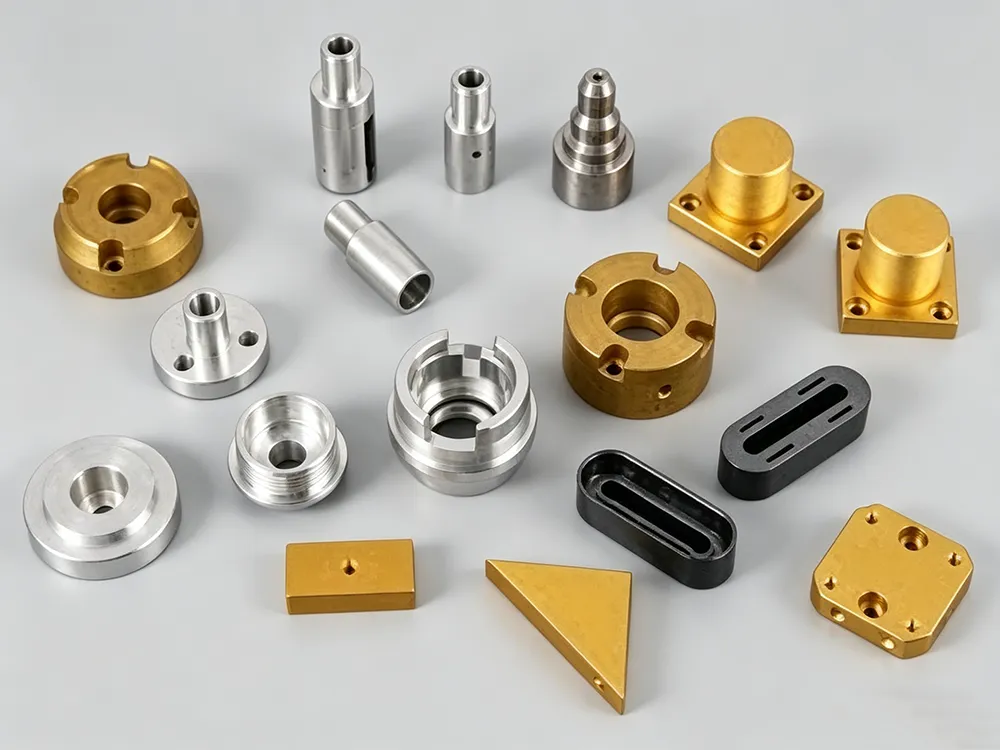
Aluminum is one of the most commonly used metals because it is easy to machine and cost-effective. Steel is strong and durable but requires more effort during machining. Stainless steel offers excellent performance but can slow down production due to its hardness. Brass stands out for its excellent machinability and ability to produce a smooth surface finish.
Choosing the right material can significantly improve efficiency, reduce tool wear, and enhance the final product quality.
How to Choose the Right Metal
Selecting the right metal depends on several key factors.
First, consider the application requirements, including strength, load, and function. Next, evaluate environmental conditions such as exposure to moisture, heat, or chemicals. Cost is also an important factor, as some metals are more expensive both in raw material and machining time.
Finally, the manufacturing process itself should be considered. Some metals are better suited for CNC machining, while others may be more appropriate for casting or forming.
Balancing these factors helps ensure the best outcome for both performance and cost.
Comparison Table of Metal Types
| Metal | Strength | Weight | Corrosion Resistance | Machinability |
|---|---|---|---|---|
| Steel | High | Heavy | Low | Medium |
| Aluminum | Medium | Light | High | Excellent |
| Stainless Steel | High | Medium | Excellent | Medium |
| Brass | Medium | Medium | High | Excellent |
| Titanium | Very High | Light | Excellent | Low |
Advantages of Using Metals in Manufacturing
Metals offer a combination of strength, durability, and versatility that few other materials can match.
They can withstand high stress and harsh environments, making them ideal for industrial applications. Metals are also highly adaptable and can be shaped into complex geometries using modern manufacturing techniques like CNC machining.
Another important advantage is recyclability. Many metals can be reused without losing their properties, making them a more sustainable choice.
Their wide availability and compatibility with various processes make metals a cornerstone of modern manufacturing.
Frequently Asked Questions
What are the main types of metals?
The main types of metals are ferrous metals, such as steel and cast iron, and non-ferrous metals, such as aluminum, copper, brass, and titanium. Each type offers different properties and is suited for specific applications.
What is the difference between ferrous and non-ferrous metals?
Ferrous metals contain iron and are typically stronger but more prone to rust. Non-ferrous metals do not contain iron, making them more resistant to corrosion and often lighter in weight.
Which metal is best for CNC machining?
Aluminum is widely considered the best metal for CNC machining because it is easy to cut, cost-effective, and delivers consistent results. Brass is also highly machinable, while stainless steel requires more effort.
What metal is the strongest?
Titanium and certain alloy steels are among the strongest metals. Titanium is especially valued for its high strength combined with low weight.
Which metals resist corrosion best?
Stainless steel, aluminum, and titanium are known for their excellent corrosion resistance. These metals are commonly used in environments exposed to moisture, chemicals, or extreme conditions.
Conclusion
Understanding the different types of metals, their properties, and their applications helps you make better decisions in manufacturing and engineering. Whether you are designing parts, selecting materials for CNC machining, or optimizing production, choosing the right metal can significantly affect performance, durability, and cost.
By gaining a clear understanding of how metals behave and where they are best used, you can improve both product quality and production efficiency.