Brushed aluminum is a surface finish you’ve probably seen many times, especially on modern products and industrial components. It has a clean, matte look with fine lines running in one direction, which gives it a more refined appearance compared to raw metal used in CNC machining solutions.Unlike polished aluminum, it doesn’t reflect light sharply, making it more practical for everyday use. In this guide, we’ll go through what brushed aluminum is, how it’s made, why it’s so widely used, and how to choose the right finish for your needs.
What Is Brushed Aluminum?
Definition of Brushed Aluminum Finish
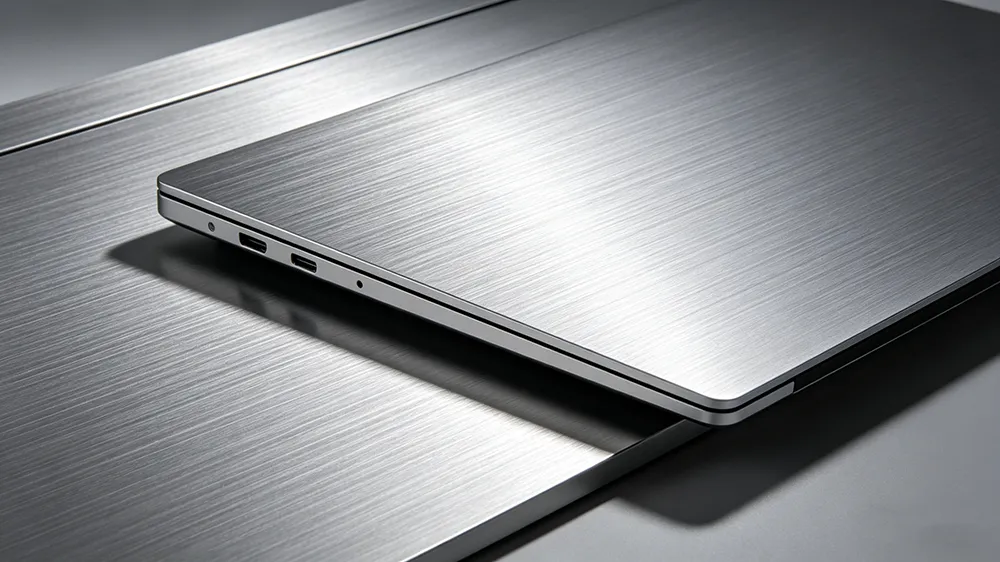
Brushed aluminum is aluminum that has been mechanically processed to create a consistent, directional texture on its surface. This is done using abrasive tools that move across the material in a single direction, forming fine lines.
The result is a smooth but slightly textured finish that looks modern and professional. It’s not shiny like a mirror, but it’s not dull either. This balance is one of the main reasons it’s so popular.
Another advantage is that the texture helps hide small scratches and fingerprints. That means the surface stays looking clean even after regular use.
How It Differs from Other Finishes
There are several common aluminum finishes, and each one behaves a bit differently.
Polished aluminum is highly reflective and looks almost like a mirror, but it tends to show scratches and fingerprints very easily.
Anodized aluminum adds a protective layer to the surface, improving durability and corrosion resistance. It can also include color, depending on the process.
Sandblasted aluminum has a flat, matte appearance, but it doesn’t have the directional grain that brushed aluminum has.
Brushed aluminum sits somewhere in between. It looks refined, hides wear better, and still maintains a strong industrial feel.
Here’s a simple comparison:
| Finish Type | Appearance | Scratch Visibility | Common Use |
|---|---|---|---|
| Brushed Aluminum | Matte with lines | Low | Industrial, electronics |
| Polished Aluminum | Mirror-like | High | Decorative |
| Anodized Aluminum | Smooth, coated | Very low | Outdoor, durable parts |
| Sandblasted | Flat matte | Medium | Panels, enclosures |
How Brushed Aluminum Is Made

Surface Preparation
Before brushing starts, the aluminum surface needs to be cleaned. Any oil, dust, or residue can affect the final result.
If there are visible defects like deep scratches, they are usually corrected at this stage. Otherwise, those imperfections will still be visible after the brushing process.
Brushing Process
This is where the texture is actually created.
Abrasive belts or brushes move across the aluminum in a consistent direction. That direction is important because it determines how uniform the final finish looks.
The grit of the abrasive also matters. Finer grits produce a smoother, more subtle finish, while coarser grits create more visible lines.
In industrial production, machines are used to keep everything consistent, especially when dealing with large quantities.
Finishing and Protection
After brushing, additional treatments are often applied.
Anodizing is one of the most common options in surface finishing services. It adds a protective layer that improves corrosion resistance and makes the surface more durable.
Some applications may also use clear coatings to protect the finish without changing its appearance.
Key Benefits of Brushed Aluminum
One of the biggest advantages of brushed aluminum is its balance between appearance and functionality.
It looks clean and modern without being overly reflective. This makes it suitable for both industrial and consumer products.
The texture helps hide fingerprints and small scratches, which reduces maintenance.
It also offers good durability, especially when combined with protective treatments.
Another benefit is reduced glare, which can be useful in environments where bright reflections are a problem.
Common Industrial Uses
CNC Machined Parts
In CNC machining, brushed aluminum is often used to improve the appearance of parts after machining. It removes tool marks and creates a uniform surface.
This is particularly useful for parts that are visible or part of finished products.
Consumer Electronics
Many consumer electronics use brushed aluminum because it looks high-end and resists visible wear.
It’s commonly found in laptops, audio equipment, and other devices used in electronics manufacturing.
Architecture and Interior Design
In architecture, brushed aluminum is used for panels, trims, and decorative elements.
It adds a modern, industrial look while still being subtle and clean.
Automotive Industry
In the automotive world, brushed aluminum is often used for interior details, as commonly seen in modern vehicle design trends highlighted by SAE International.
It provides a durable surface that maintains its appearance over time.
Brushed Aluminum vs Other Finishes
Choosing the right finish depends on what you need from the material.
| Feature | Brushed Aluminum | Polished Aluminum | Anodized Aluminum |
|---|---|---|---|
| Appearance | Matte, textured | Glossy, reflective | Smooth, coated |
| Maintenance | Low | High | Low |
| Durability | Medium–High | Medium | High |
| Best For | Industrial + design | Decorative | Outdoor + harsh environments |
Brushed aluminum is often the best choice when you want something that looks good but is also practical.
How to Maintain Brushed Aluminum
Keeping brushed aluminum in good condition is straightforward.
Use a soft cloth and mild cleaner for regular cleaning, as recommended in aluminum care guides such as how to clean aluminum surfaces. Always wipe in the same direction as the grain to avoid disrupting the texture.
Avoid abrasive cleaners or harsh chemicals, as they can damage the finish.
If needed, specialized cleaning products can help maintain the appearance over time.
How to Choose the Right Finish
Choosing the right finish depends on your specific needs.
Think about how the part will be used. Is it purely functional, or does appearance matter?
Consider the environment. Will it be exposed to moisture, chemicals, or heavy handling?
You should also look at production requirements. Some finishes are better suited for high-volume manufacturing, while others are more suitable for custom work.
Brushed Aluminum in CNC Manufacturing
In CNC manufacturing, brushed aluminum is often used as a finishing step.
After machining, parts may have visible tool marks. Brushing helps create a consistent and professional appearance.
For precision parts, the process must be controlled carefully to avoid affecting dimensions.
Brushed aluminum is often combined with other finishing processes to meet specific performance and design requirements.
FAQ About Brushed Aluminum
What is brushed aluminum used for?
Brushed aluminum is used in CNC machined parts, electronics, architectural components, and automotive applications. It’s popular because it combines durability with a clean, modern look.
Is brushed aluminum durable?
Yes, brushed aluminum is durable, especially when treated with processes like anodizing. The surface texture also helps reduce the visibility of wear.
Does brushed aluminum rust?
Aluminum does not rust like steel, but it can corrode under certain conditions. Protective coatings can improve its resistance.
Is brushed aluminum better than polished?
Brushed aluminum is generally better for practical use because it hides scratches and requires less maintenance. Polished aluminum is more decorative but less forgiving.
Can brushed aluminum be anodized?
Yes, brushed aluminum can be anodized, and this is a common practice. It improves durability while keeping the brushed texture intact.