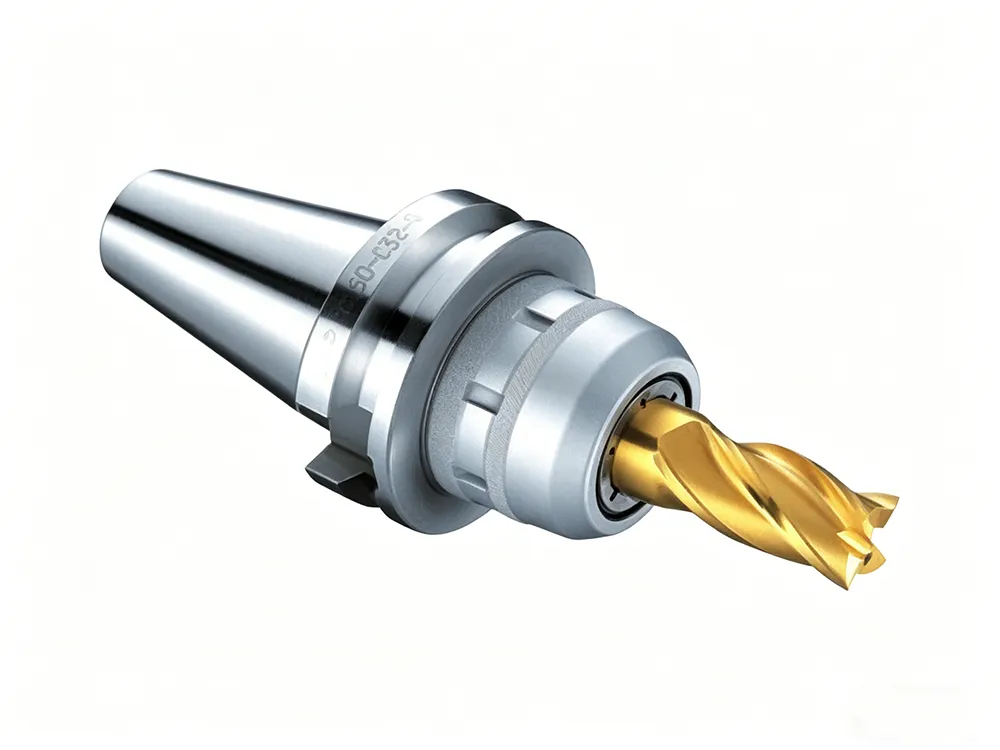
End milling is one of the most widely used machining processes in modern manufacturing. It involves using a rotating cutting tool—called an end mill—to remove material from a workpiece with high precision.
The choice of cutting tool directly affects machining accuracy, surface finish, and overall production efficiency. A poor tool selection can lead to tool wear, unstable cutting, and higher costs.
In this guide, we’ll not only explain how end milling works, but also show you how to choose the right end mill for different materials, applications, and performance requirements.
What Is End Milling?
End milling is a machining process that uses an end mill cutter to remove material from a workpiece, as described in milling machining principles. Unlike drilling, which only cuts vertically, end milling can cut in multiple directions, including sideways and along complex paths.
Compared to turning, where the workpiece rotates, end milling involves a rotating tool while the workpiece remains fixed or moves along controlled axes.
Common applications include slotting, contouring, and pocketing. These operations are essential in producing precise metal parts used across industries through CNC milling process.
How the End Milling Process Works
Tool Movement
In end milling, the cutting tool rotates at high speed while the workpiece is fed into the tool. The cutting path can be straight, curved, or fully three-dimensional depending on the design.
Modern CNC machines allow extremely precise control of these movements, making it possible to produce complex geometries with tight tolerances.
Cutting Methods
There are two primary cutting strategies:
- Conventional milling: The cutter rotates against the feed direction
- Climb milling: The cutter rotates in the same direction as the feed
Climb milling is generally preferred in CNC machining because it produces better surface finish and reduces tool wear.
Key Factors Affecting Results
Several parameters influence machining performance:
- Spindle speed (RPM)
- Feed rate
- Depth of cut
- Cooling or lubrication
Optimizing these factors is essential for achieving stable cutting, minimizing tool wear, and ensuring high-quality results.
Types of End Mills and Their Applications
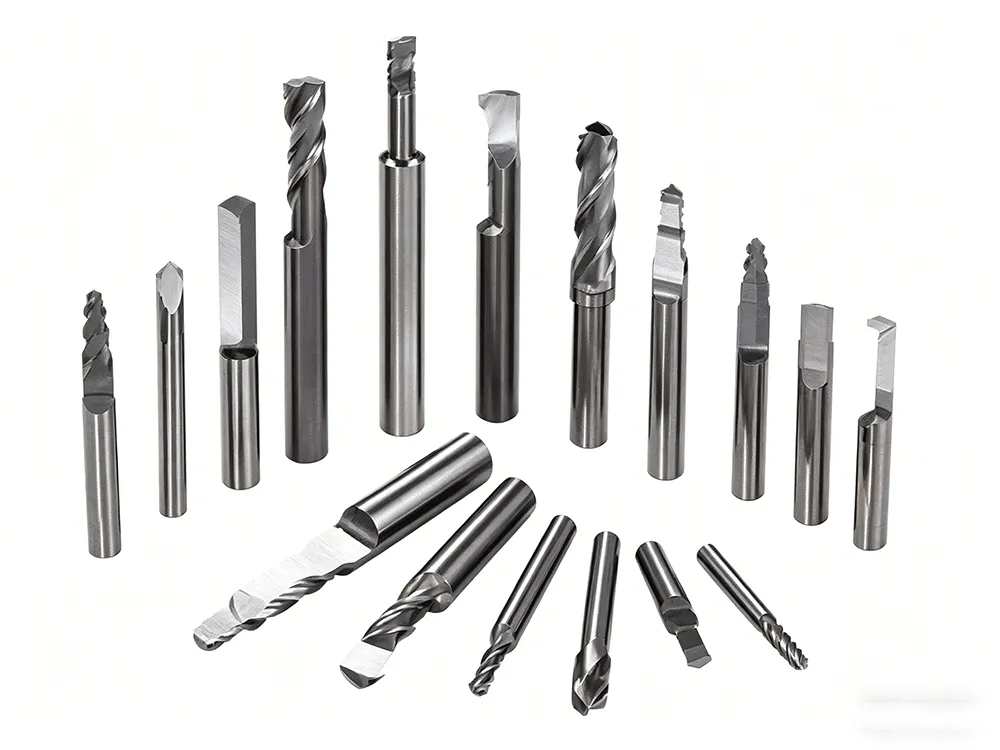
Flat End Mills
Flat end mills are the most commonly used tools. They are ideal for machining flat surfaces, slots, and edges.
They offer high efficiency and are suitable for both aluminum and steel, which are common CNC machining materials., making them a versatile choice in many CNC projects.
Ball Nose End Mills
Ball nose end mills are designed for 3D contouring and curved surfaces. They are widely used in mold making and complex surface machining.
While they provide a smooth finish, they are generally slower in material removal compared to flat end mills.
Corner Radius End Mills
These tools combine the features of flat and ball end mills. The rounded corner reduces stress concentration and helps extend tool life.
They are commonly used in high-strength machining applications where durability is critical.
Roughing End Mills
Roughing end mills are designed for fast material removal. Their serrated cutting edges help break chips into smaller pieces, reducing cutting forces.
They are ideal for the initial stages of machining when large amounts of material need to be removed quickly.
Specialized End Mills
Specialized tools include coated end mills such as TiAlN or DLC coatings. These coatings improve wear resistance and allow machining of difficult materials like stainless steel and titanium.
Some end mills are also specifically designed for aluminum or high-temperature alloys, offering better performance for targeted applications.
How to Choose the Right End Mill
Choosing the right end mill is one of the most important decisions in CNC machining.
Based on Material
| Material | Recommended Tool |
|---|---|
| Aluminum | 2–3 flute, high helix |
| Steel | 4 flute, coated |
| Titanium | Low speed, high-strength carbide |
Different materials require different cutting characteristics. Aluminum benefits from fewer flutes for better chip evacuation, while steel requires stronger, coated tools.
Based on Machining Type
- Roughing: Use roughing end mills for fast material removal
- Finishing: Use ball nose or finishing tools for smooth surfaces
- Slotting: Use 2-flute end mills for efficient chip removal
Based on Precision Requirements
High-precision applications require tools with more flutes and smaller feed rates to achieve a finer surface finish.
For general machining, standard tools can provide a good balance between performance and cost.
Based on Cost and Tool Life
Tool cost should not be evaluated alone. A more expensive coated tool may last longer and reduce overall production costs.
Balancing tool price, lifespan, and machining efficiency is key to cost optimization.
Common End Milling Problems and Solutions
End milling can present several challenges, especially in high-precision applications.
Tool Wear
Cause: Excessive cutting speed or improper tool material
Solution: Use coated tools and optimize cutting parameters
Chatter (Vibration)
Cause: Poor rigidity or incorrect cutting parameters
Solution: Reduce feed rate and improve tool stability
Poor Surface Finish
Cause: Incorrect tool selection or worn-out tool
Solution: Use finishing tools and adjust cutting speed
Built-Up Edge
Cause: Material sticking to the cutting edge
Solution: Use proper lubrication and adjust cutting conditions
Cost Factors in End Milling
Many manufacturers focus only on tool price, but the total cost of end milling is influenced by multiple factors.
- Tool cost
- Machining time
- Tool change frequency
- Scrap rate
Choosing the right tool can significantly reduce total production cost by improving efficiency and reducing waste.
End Milling vs Face Milling
| Feature | End Milling | Face Milling |
|---|---|---|
| Tool Type | End mill | Face mill |
| Cutting Area | Side and bottom | Flat surfaces |
| Application | Complex shapes | Large flat areas |
End milling is more versatile and suitable for detailed machining, while face milling is typically used for surfacing large areas.
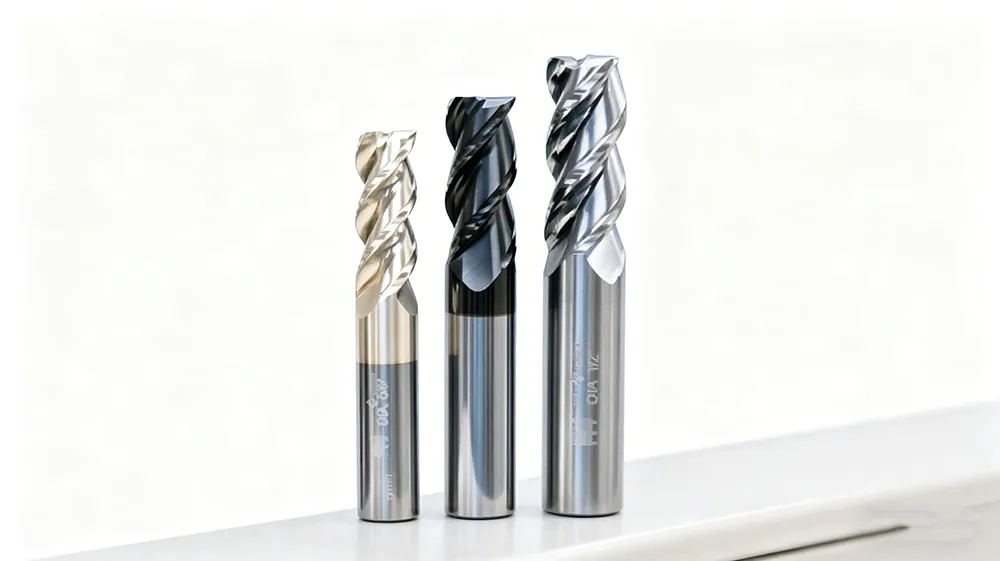
Why Tool Selection Matters in CNC Projects
Using the wrong tool can lead to increased production costs, poor dimensional accuracy, surface defects, and delays in production.
Proper tool selection ensures better performance, improved quality, and faster turnaround times.
Why Choose Our CNC End Milling Services
At Sincere Machining, we provide high-precision CNC end milling services tailored to your needs.
- Advanced 3-axis, 4-axis, and 5-axis CNC machines
- Experience with a wide range of materials
- Tight tolerances up to ±0.01 mm
- Fast turnaround and flexible production volumes
- Custom solutions based on your design requirements
Whether you need prototypes or mass production, our team ensures consistent quality and reliable delivery.
Request a quote today or send us your drawings to get started.
Conclusion
End milling is a fundamental process in CNC machining that enables the production of precise and complex parts.
Understanding how it works and how to choose the right end mill can significantly improve machining performance, reduce costs, and enhance product quality.
By selecting the appropriate tool based on material, application, and precision requirements, manufacturers can achieve better efficiency and more reliable results.
FAQ
What is an end mill used for?
An end mill is used for cutting and shaping materials in CNC machining. It can perform operations such as slotting, contouring, and pocketing, making it a versatile tool for producing complex parts.
What is the difference between an end mill and a drill?
A drill is designed to cut only in the vertical direction, while an end mill can cut in multiple directions, including sideways. This allows end mills to perform more complex machining operations.
How many flutes should I choose?
The number of flutes depends on the material and application. Fewer flutes are better for soft materials like aluminum, while more flutes are suitable for harder materials like steel.
What material is best for end mills?
Carbide is the most commonly used material for end mills due to its hardness and durability. High-speed steel is more affordable but less wear-resistant.
How can I extend tool life?
You can extend tool life by optimizing cutting parameters, using proper cooling, selecting the right tool material, and ensuring stable machining conditions.