Introduction
CNC machining is widely used in modern manufacturing because it offers high precision, repeatability, and flexibility. Many companies rely on professional CNC machining services to produce complex metal and plastic components with high accuracy. One of the biggest advantages of this process is that it can work with a wide variety of materials—from lightweight aluminum to high-performance engineering plastics.
However, choosing the right CNC machining materials is not always straightforward. The material you select will influence many important factors, including machining cost, production speed, mechanical strength, durability, and final part performance. Even two materials that appear similar can lead to very different machining results.
In many projects, engineers must balance several considerations at the same time: strength requirements, corrosion resistance, weight, and budget. Selecting the wrong material may increase production costs or reduce the reliability of the final product.
In this guide, we will explore the most common materials used in CNC machining, compare their properties, and explain how to choose the right material for your specific application.
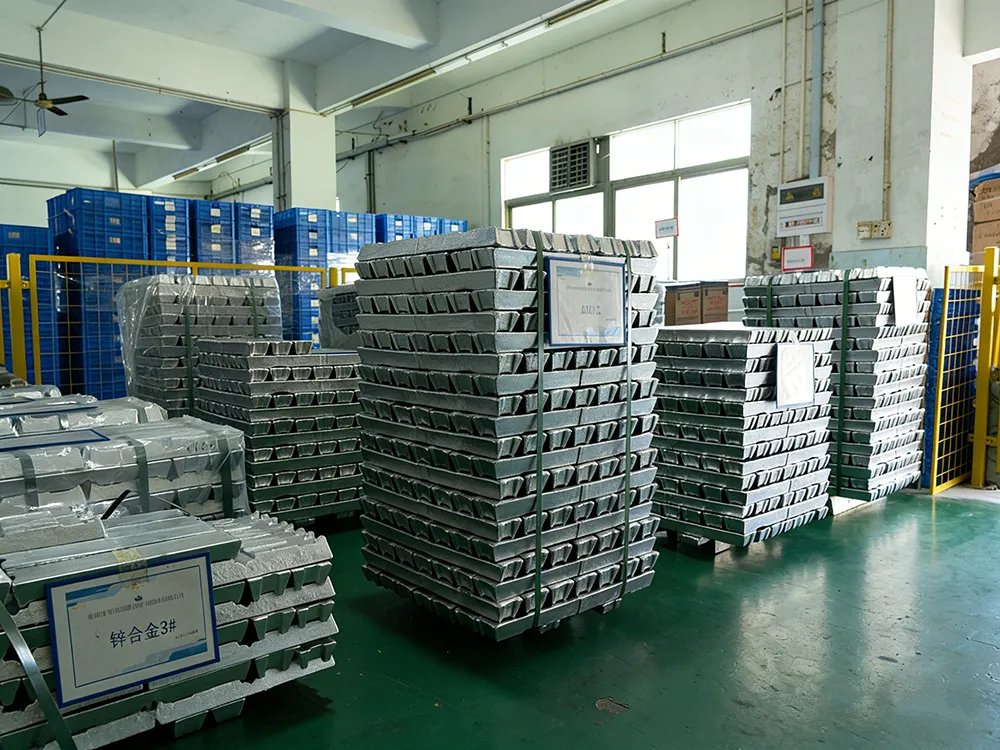
What Are CNC Machining Materials
CNC machining materials refer to the raw materials that can be processed using computer-controlled machining equipment such as CNC milling machines, lathes, and multi-axis machining centers.
In general, these materials fall into two main categories:
Metals
Metal materials are commonly used for structural parts, mechanical components, and industrial equipment. They typically provide high strength and durability.
Common examples include:
Aluminum
Stainless steel
Titanium
Brass
Carbon steel
Plastics
Engineering plastics are also widely used in CNC machining, particularly when weight reduction, electrical insulation, or chemical resistance is required.
Typical plastic materials include:
ABS
Nylon
PEEK
Delrin (POM)
PTFE
The choice between metal and plastic often depends on the application, environmental conditions, and performance requirements of the part.
Common Metals Used in CNC Machining
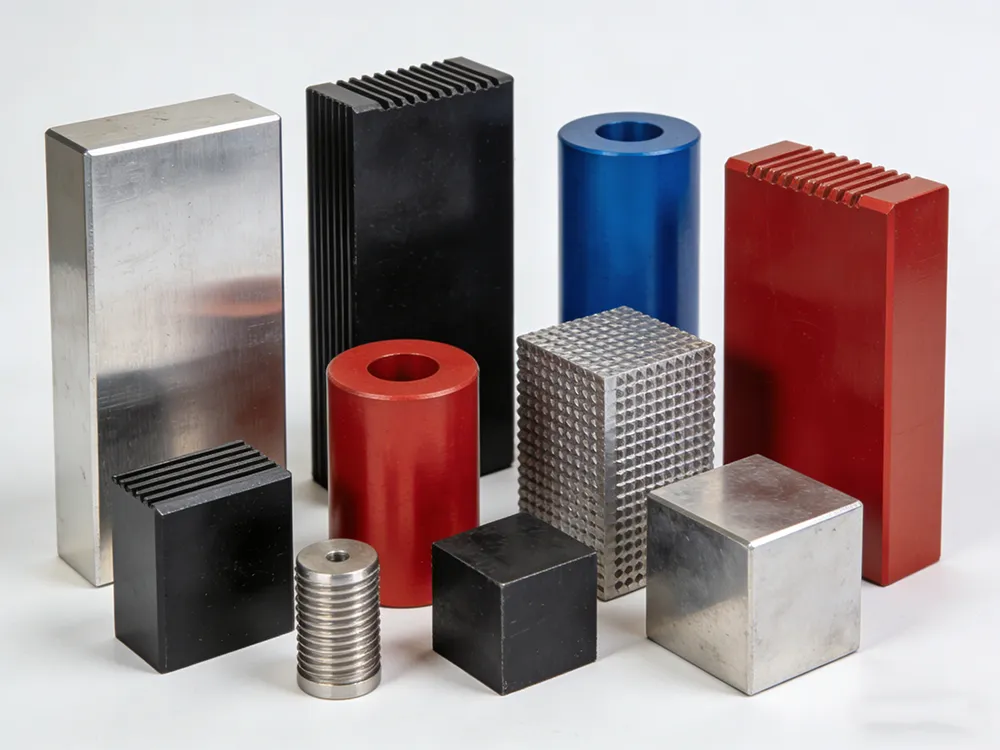
Aluminum
Aluminum is one of the most widely used materials in CNC machining due to its excellent machinability and strength-to-weight ratio. According to research published by the Aluminum Association, aluminum alloys are widely used in precision manufacturing industries. It offers an excellent balance between strength, weight, and machinability.
Key advantages include:
Lightweight structure
High machinability
Good corrosion resistance
Relatively low material cost
Because aluminum machines quickly and produces less tool wear, it is often the most cost-efficient material for many CNC parts. It is commonly used in industries such as electronics, robotics, automotive components, and aerospace structures.
Stainless Steel
Stainless steel is valued for its excellent strength and corrosion resistance. It is often used in applications where durability and environmental resistance are important.
Typical characteristics include:
High mechanical strength
Excellent corrosion resistance
Good wear resistance
However, stainless steel is harder to machine than aluminum. Cutting speeds are usually slower, and tool wear may increase during machining.
Common applications include:
Medical equipment
Food processing machinery
Industrial equipment
Marine components
Titanium
Titanium is considered a high-performance engineering material. It has an exceptional strength-to-weight ratio and outstanding corrosion resistance.
Major advantages:
Very high strength
Excellent heat resistance
Outstanding corrosion resistance
Lightweight compared to steel
Despite these advantages, titanium is significantly more difficult to machine. It requires slower cutting speeds and specialized tooling, which often increases machining costs.
Titanium is frequently used in:
Aerospace components
medical implants
high-performance mechanical systems
Brass
Brass is known for its excellent machinability. In fact, it is one of the easiest metals to machine with CNC equipment.
Key properties include:
Excellent machinability
Good corrosion resistance
Attractive surface finish
Good electrical conductivity
Because of these characteristics, brass is commonly used for:
Valves and fittings
electrical connectors
plumbing components
precision mechanical parts
Common Plastics for CNC Machining
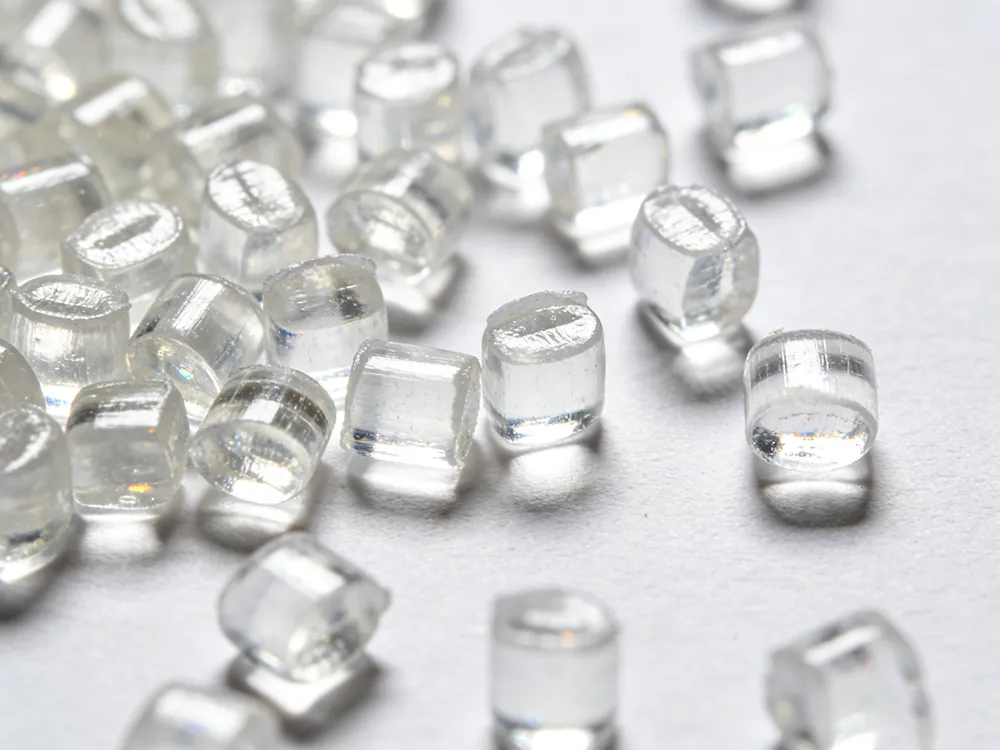
ABS
ABS is one of the most commonly used plastics in manufacturing and prototyping.
Advantages include:
Low cost
Easy machining
Good impact resistance
ABS is often used for prototypes, housings, and consumer product components where moderate strength is sufficient.
Nylon
Nylon is an engineering plastic known for its excellent wear resistance and mechanical toughness.
Important features include:
High wear resistance
Good fatigue resistance
Low friction properties
Nylon parts are often used in mechanical assemblies such as gears, bushings, and sliding components.
PEEK
PEEK is a high-performance engineering plastic used in demanding environments.
Key benefits include:
High temperature resistance
Excellent chemical resistance
Strong mechanical performance
Because of its advanced properties, PEEK is often used in aerospace, medical devices, and semiconductor equipment.
Key Factors When Choosing CNC Machining Materials
Selecting the right material requires evaluating several technical factors. Many professional manufacturing engineering resources provide guidelines for choosing materials based on performance and machinability.
Mechanical Strength
The material must be strong enough to handle the load and stress of the final application. Structural components usually require metals such as steel or titanium, while lighter loads may allow the use of plastics or aluminum.
Machinability
Machinability describes how easily a material can be cut and shaped using CNC machines. For example, the CNC milling process is commonly used to machine metals like aluminum and brass with high precision.
Materials like aluminum and brass are very easy to machine, which means faster production and lower machining costs. Harder materials such as stainless steel or titanium require slower machining speeds and specialized tools.
Corrosion Resistance
Some parts must operate in harsh environments such as moisture, chemicals, or outdoor conditions. In these cases, corrosion-resistant materials like stainless steel or aluminum are often preferred.
Weight Requirements
In industries such as aerospace and robotics, reducing weight is extremely important. Lightweight materials like aluminum or titanium are commonly chosen to meet these requirements.
Cost Considerations
Material cost and machining cost both influence the final price of CNC parts. Understanding how material selection affects CNC machining cost can help engineers optimize production budgets. Some materials may be inexpensive but difficult to machine, while others may be more expensive but faster to process.
Finding the right balance between performance and cost is often the key to selecting the best material.
CNC Machining Materials Comparison
Below is a simple comparison of several common CNC machining materials.
| Material | Strength | Machinability | Cost | Typical Applications |
|---|---|---|---|---|
| Aluminum | Medium | Excellent | Low | Electronics, automotive |
| Stainless Steel | High | Medium | Medium | Industrial equipment |
| Titanium | Very High | Difficult | High | Aerospace |
| Brass | Medium | Excellent | Medium | Valves and fittings |
This type of comparison helps engineers quickly evaluate the advantages and limitations of each material.
How to Choose the Right CNC Machining Material
Choosing the best material usually involves several steps.
Step 1: Define the function of the part
Determine whether the part must support heavy loads, resist wear, or operate in extreme environments.
Step 2: Evaluate environmental conditions
Consider factors such as temperature, humidity, and chemical exposure.
Step 3: Consider machining efficiency
Materials that are easier to machine can significantly reduce production time and cost.
Step 4: Balance strength and weight
In many applications, reducing weight without sacrificing strength is an important design goal.
Step 5: Consult with manufacturing experts
Experienced machining engineers can often recommend better material options based on production experience.
CNC Machining Materials for Different Industries
Different industries often rely on specific materials to meet their performance requirements.
Aerospace
Titanium and high-strength aluminum alloys are commonly used because they provide excellent strength while remaining lightweight.
Automotive
Aluminum, steel, and engineering plastics are frequently used for engine components, housings, and structural parts.
Medical Devices
Titanium and high-performance plastics such as PEEK are widely used due to their biocompatibility and durability.
Electronics
Aluminum and brass are commonly used for heat sinks, connectors, and electronic housings.
Tips to Reduce CNC Machining Cost Through Material Selection
Material selection can also influence manufacturing cost. A few practical strategies include:
Choose materials that are easy to machine, such as aluminum or brass.
Avoid selecting high-performance materials when they are not necessary for the application.
Use standard material grades that are widely available in the market.
Optimize part design to reduce unnecessary machining complexity.
Even small adjustments in material selection can lead to noticeable cost savings in production.