CNC stands for Computer Numerical Control, a technology used to automate machine tools through pre-programmed instructions and widely applied in modern precision machined components. It plays a critical role in modern manufacturing by enabling high precision, efficiency, and repeatability. In this guide, we’ll explain what CNC means, how CNC machines work, their applications, and why CNC machining is essential for producing high-quality parts.

What Does CNC Mean?
CNC Definition
CNC stands for Computer Numerical Control, which refers to the use of computers to control machine tools such as mills, lathes, and routers. Instead of being manually operated, these machines follow coded instructions to perform precise cutting, shaping, and drilling operations, based on the principles of numerical control technology.
In simple terms, CNC allows manufacturers to automate machining processes and produce complex parts with minimal human intervention.
What Does CNC Stand For?
The term CNC can be broken down into three parts:
- Computer – A digital system that processes instructions
- Numerical – Data represented in numbers and coordinates
- Control – The automation of machine movements
Together, CNC means controlling machines using numerical data programmed into a computer.
How Does CNC Work?

Basic Working Principle
CNC machines operate based on programmed instructions that guide their movements. These instructions define how tools move, how fast they cut, and where material is removed.
The machine follows these commands with extreme precision, ensuring consistent results across multiple parts.
CNC Programming Explained
The CNC workflow typically involves three main steps, often supported by advanced CNC machining software solutions that streamline design and manufacturing processes.
1. CAD Design
Engineers create a digital model of the part using CAD (Computer-Aided Design) software.
2. CAM Programming
The design is converted into machine instructions using CAM (Computer-Aided Manufacturing) software.
3. G-Code Execution
The machine reads G-code, a programming language that controls tool movement, speed, and positioning.
This process allows CNC machines to produce parts with high accuracy and repeatability.
Types of CNC Machines
CNC Milling Machines
CNC milling machines use rotating cutting tools to remove material from a workpiece. They are ideal for producing complex shapes and detailed features.
CNC Turning Machines
CNC turning involves rotating the workpiece while a cutting tool shapes it. This process is commonly used for cylindrical parts.
CNC Lathes
CNC lathes are a type of turning machine used for precision machining of round components such as shafts and fittings.
5-Axis CNC Machines
5-axis CNC machines allow movement along five different axes, enabling the production of highly complex and intricate parts in a single setup.
What Is CNC Machining?
CNC machining refers to the manufacturing process that uses CNC machines to create parts from raw materials. It includes operations such as milling, turning, drilling, and cutting.
While CNC refers to the control system, CNC machining describes the actual production process. This technology is widely used to produce precision metal parts for industries that require high accuracy and consistency.
Common Applications of CNC
Aerospace Industry
CNC machining is used for manufacturing critical components such as turbine blades and structural parts that require tight tolerances.
Automotive Industry
CNC machining produces engine components, transmission parts, and custom automotive parts.
Medical Devices
Medical-grade components such as implants and surgical tools are manufactured using CNC for precision and reliability.
Electronics Industry
CNC is used to create housings, connectors, and precision components for electronic devices.
Materials Used in CNC Machining
Metals
CNC machining is most commonly used with metals, including aluminum, stainless steel, brass, and copper. These materials offer strength, durability, and machinability, making them ideal for precision components.
Plastics
Although this article focuses on metal machining, CNC can also process plastics such as ABS and acrylic for certain applications.
Advantages of CNC Technology
CNC machining offers high precision, allowing manufacturers to produce complex parts with tight tolerances. It also enables automation, reducing human error and improving efficiency. The consistency of CNC ensures that every part produced is identical, which is essential for large-scale production.
CNC vs Traditional Machining
CNC machining provides significantly higher precision and speed compared to traditional machining methods. It requires less manual labor and offers better repeatability, making it the preferred choice for modern manufacturing.
How to Choose CNC Machining Services
Experience and Expertise
Choose a company with proven experience in precision machining and capabilities in rapid prototyping for faster product development. and a strong track record in producing high-quality parts.
Equipment and Technology
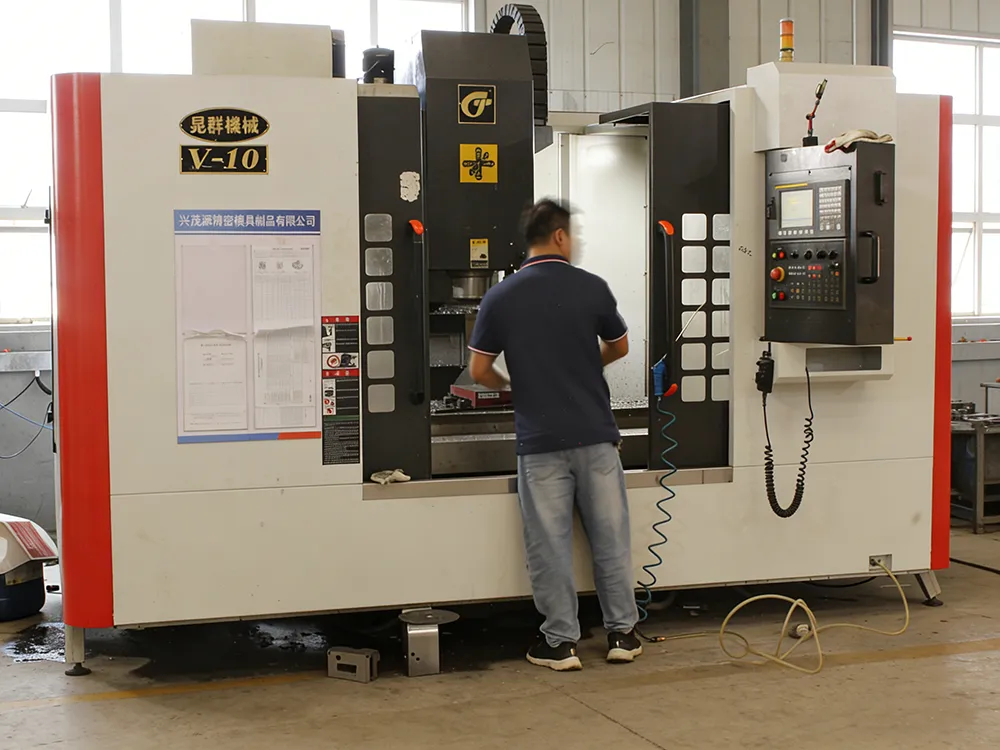
Advanced CNC machines ensure higher accuracy, faster production, and the ability to handle complex designs with proper DFM review for manufacturability.
Material Capability
Ensure the provider can work with the materials you need, especially metals like aluminum and stainless steel.
Quality Control
Reliable companies implement strict quality control processes to ensure consistency and meet industry standards.
Future of CNC Technology
CNC technology continues to evolve with automation, AI-driven optimization, and smart manufacturing systems. These advancements are improving efficiency, reducing costs, and enabling even more precise machining capabilities.
FAQ About What does CNC stand for?
What does CNC stand for?
CNC machining is used to produce precision parts for industries such as aerospace, automotive, medical, and electronics.
What is CNC machining used for?
CNC stands for Computer Numerical Control, which refers to the use of computers to automate machine tools through programmed instructions.
How does CNC machining work?
CNC machining works by converting digital designs into machine instructions, which control cutting tools to shape materials.
What materials can CNC machines cut?
CNC machines can cut metals like aluminum, steel, brass, and copper, as well as certain plastics.
Is CNC machining expensive?
The cost of CNC machining depends on factors such as material, complexity, and production volume. It is generally cost-effective for high-precision and large-scale production.
Conclusion
CNC, or Computer Numerical Control, is a key technology in modern manufacturing. It enables the production of precise, consistent, and complex parts across various industries.
Understanding what CNC means and how it works can help businesses and engineers make better decisions when selecting manufacturing solutions. CNC machining remains one of the most reliable and efficient methods for producing high-quality metal parts.