Copper is one of the most widely used metals in manufacturing, electronics, and construction due to its excellent conductivity and durability. At Sincere Machining, we provide high-quality machining solutions for a wide range of industries. Understanding the melting point of copper is essential for processes such as casting, welding, and CNC machining, where precise temperature control directly impacts product quality and performance.
What is the Melting Point of Copper?
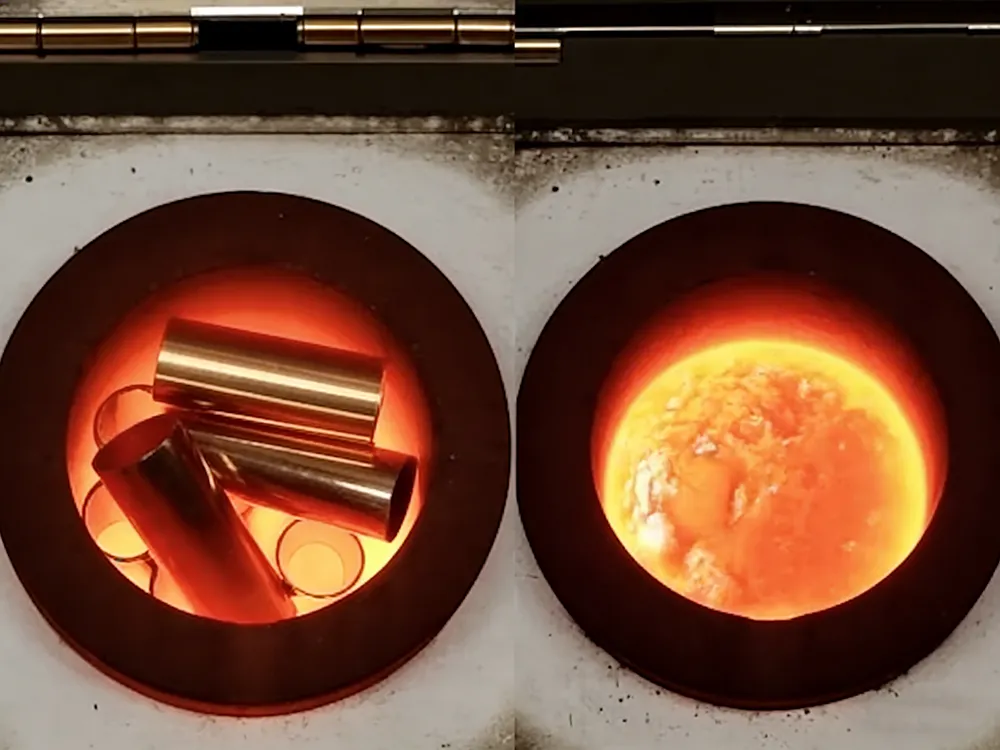
The melting point of copper is 1085°C (1985°F), according to data from the Copper Development Association.
This is the temperature at which pure copper transitions from a solid to a liquid under standard atmospheric conditions. Because copper is a pure metal, it has a fixed melting point rather than a melting range.
This consistent melting temperature makes copper highly reliable in industrial applications and is widely referenced in engineering resources such as the Engineering Toolbox, especially where precise thermal control is required. Engineers and manufacturers rely on this value to ensure proper processing and avoid defects during production.
Copper Melting Point in Different Units
To better understand copper’s melting temperature, it can be expressed in different units:
| Unit | Value |
|---|---|
| Celsius (°C) | 1085°C |
| Fahrenheit (°F) | 1985°F |
| Kelvin (K) | 1358 K |
These conversions are useful in international manufacturing environments where different measurement systems are used.
Key Properties of Copper
Copper is valued not only for its melting point but also for its unique combination of physical and chemical properties.
High Electrical Conductivity
Copper is one of the best electrical conductors, making it essential for wiring, connectors, and electronic components.
Excellent Thermal Conductivity
Its ability to transfer heat efficiently makes copper ideal for heat exchangers, cooling systems, and thermal management applications.
Good Ductility and Malleability
Copper can be easily shaped and formed without breaking, which is important for manufacturing complex parts.
Corrosion Resistance
Copper naturally resists corrosion in many environments, increasing the lifespan of components.
These properties make copper a preferred material in industries that require both performance and reliability.
Why Copper Has a High Melting Point
Copper’s relatively high melting point is a result of its atomic structure and bonding.
Strong Metallic Bonds
Copper atoms are held together by strong metallic bonds, which require significant energy to break.
Dense Atomic Structure
The tightly packed arrangement of atoms increases thermal stability and resistance to heat.
Energy Requirement for Phase Change
A higher amount of thermal energy is needed to transition copper from solid to liquid compared to lower-melting-point metals.
These factors contribute to copper’s ability to maintain structural integrity under high temperatures.
Factors That Affect Copper Melting Point
While pure copper has a fixed melting point, several factors can influence its behavior in real-world applications.
Impurities
Even small amounts of impurities can slightly alter the melting temperature and affect performance.
Alloying Elements
Copper alloys, such as brass and bronze, have different melting points depending on their composition.
Environmental Conditions
Pressure and atmospheric conditions can influence melting behavior in specialized industrial settings.
Understanding these factors is important for achieving consistent results in manufacturing processes, especially when selecting suitable materials for CNC machining.
Copper vs Other Metals Melting Point
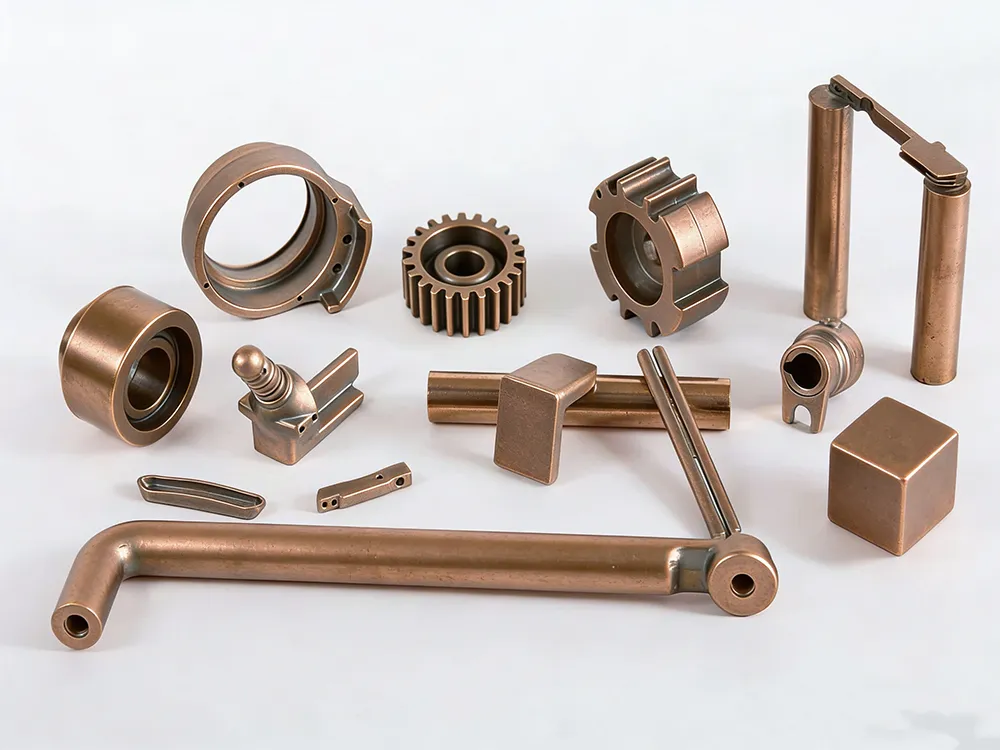
Comparing copper with other metals provides valuable insight for material selection:
| Metal | Melting Point |
|---|---|
| Copper | 1085°C |
| Aluminum | 660°C |
| Silver | 961.8°C |
| Brass | ~900°C |
Key Comparisons:
- Copper has a higher melting point than aluminum, making it more suitable for high-temperature applications.
- Silver melts at a slightly lower temperature but offers better electrical conductivity.
- Brass, being an alloy of copper and zinc, has a lower melting range than pure copper.
These differences help engineers choose the right material based on temperature requirements and performance needs.
Copper Melting Point in Industrial Applications
The melting point of copper plays a critical role in various industrial processes.
Casting
Copper is widely used in casting for electrical components, pipes, and industrial parts. Proper melting ensures smooth flow and defect-free products.
Electrical Industry
Copper’s high conductivity and stable melting point make it ideal for wiring and electronic components.
Heat Transfer Systems
Its thermal properties make copper essential in heat exchangers and cooling equipment.
Plumbing and Construction
Copper is commonly used in pipes and fittings due to its durability and resistance to corrosion.
In all these applications, controlling the melting temperature is essential for achieving optimal results.
Copper in CNC Machining Applications
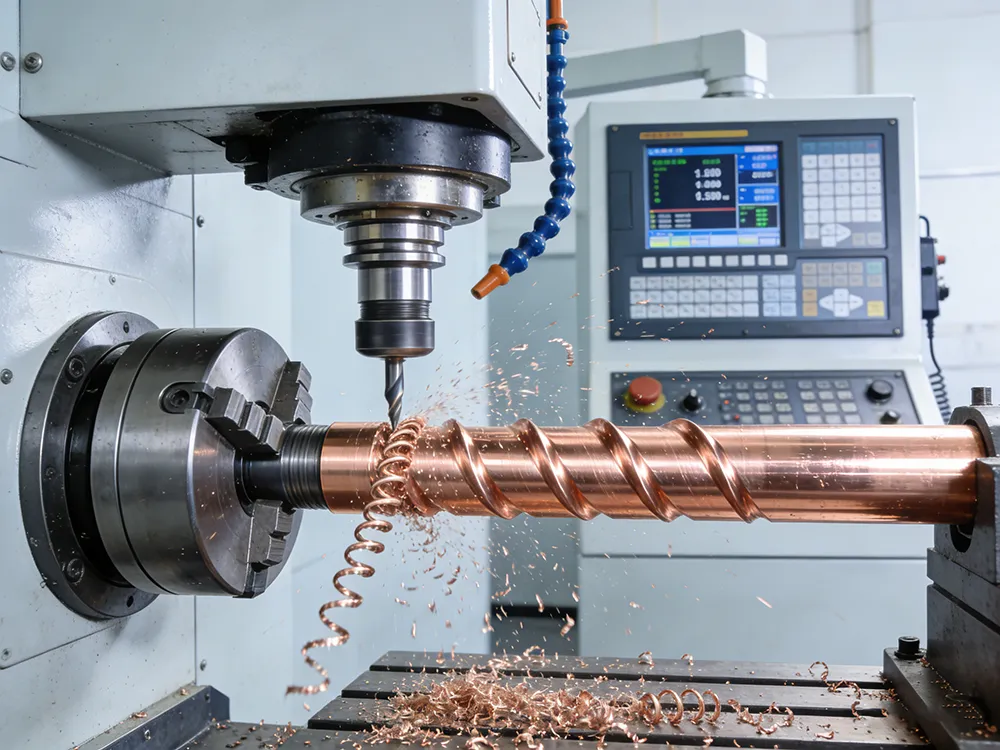
Although CNC machining does not involve melting the material, copper’s thermal and physical properties significantly affect machining performance.
Advantages:
- Excellent thermal conductivity reduces heat buildup during machining
- Good machinability allows for precise cutting
- Smooth surface finishes can be achieved
Challenges:
- Copper is relatively soft, which can lead to deformation if not properly handled
- Chips can be difficult to manage due to ductility
Typical CNC Applications:
- Electrical connectors
- Heat sinks
- Precision electronic components
- Custom industrial parts
Copper is often selected for CNC machining when high conductivity and precision are required. Many manufacturers rely on precision machining solutions for custom metal parts to achieve consistent quality and performance.
How to Choose the Right Copper Material
Selecting the right type of copper depends on the application.
Pure Copper
Best for applications requiring maximum conductivity, such as electrical components.
Copper Alloys
Used when higher strength or wear resistance is needed.
Cost Considerations
Pure copper is more expensive, so alloys may be used to reduce costs while maintaining performance.
Manufacturing Requirements
Different processes may require specific material properties for optimal results.
Careful material selection ensures the best balance between performance, cost, and manufacturability.