Introduction
What is Tool Steel? Tool steel is a specialized type of steel designed specifically for making tools, dies, and industrial components that require high strength, durability, and resistance to wear. Unlike standard carbon steel, tool steel is engineered to perform under demanding conditions such as high pressure, repeated impact, and elevated temperatures.
It plays a critical role in modern manufacturing, especially in applications like cutting tools, molds, and precision components produced through CNC machining processes .Choosing the right tool steel can significantly affect performance, tool life, and production efficiency.
In this guide, we will explain what tool steel is, explore its composition and properties, and examine its most common uses in industrial applications.
What is Tool Steel?
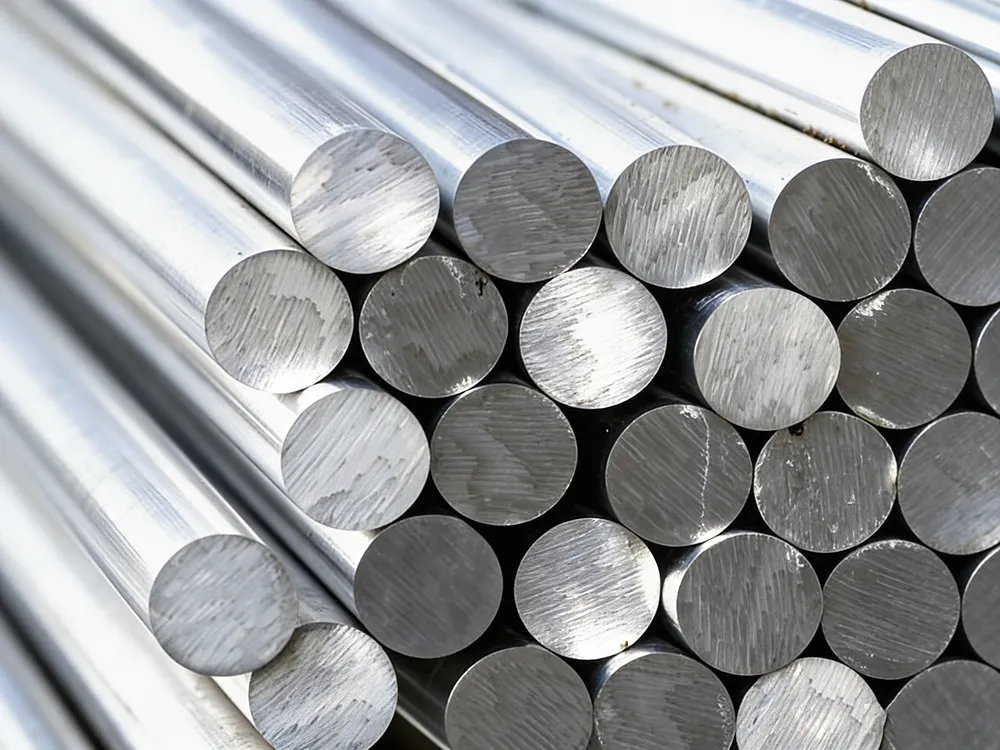
Tool Steel Definition
Tool steel is a category of carbon and alloy steels that are specifically designed for tool-making applications and widely used among various machining materials. These steels are known for their hardness, wear resistance, and ability to retain shape even under extreme working conditions.
The term “tool steel” refers to its primary function—manufacturing tools such as drills, cutting inserts, dies, and molds.
Key Characteristics of Tool Steel
Tool steel stands out due to several important properties:
High hardness – Maintains cutting edges and structural integrity
Excellent wear resistance – Reduces material loss during use
Heat resistance – Performs well at elevated temperatures
Good toughness – Resists cracking under impact
Dimensional stability – Maintains shape after heat treatment
These characteristics make tool steel ideal for precision and heavy-duty applications.
Tool Steel Composition
Tool steel contains a combination of carbon and alloying elements that enhance its performance.
Common elements include:
Carbon (C) – Increases hardness and strength
Chromium (Cr) – Improves corrosion resistance and wear resistance
Tungsten (W) – Enhances heat resistance
Vanadium (V) – Increases toughness and wear resistance
Molybdenum (Mo) – Improves strength at high temperatures
The exact composition varies depending on the grade and intended application.
Types of Tool Steel
Different types of tool steel are designed for specific working conditions.
Water-Hardening Tool Steel (W-grade)
Hardened by water quenching
Low cost and easy to machine
Limited heat resistance
Best for: Simple tools and low-temperature applications
Cold-Work Tool Steel
Used at room temperature
High wear resistance
Good dimensional stability
Best for: Dies, punches, and stamping tools
Hot-Work Tool Steel
Designed for high-temperature environments
Resistant to thermal fatigue and cracking
Best for: Die casting and forging tools
High-Speed Tool Steel (HSS)
Maintains hardness at high cutting speeds
Excellent heat resistance
Best for: Cutting tools like drills and milling cutters
Special Purpose Tool Steel
Includes plastic mold steels and other specialized grades
Tailored for specific industrial needs
Tool Steel Properties
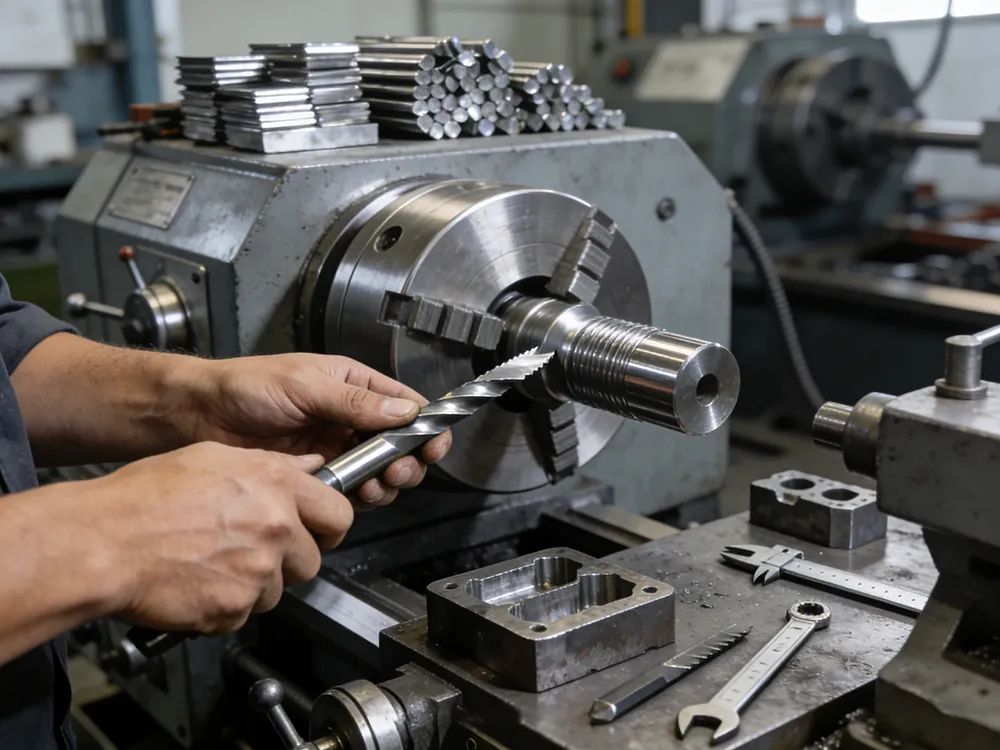
Understanding tool steel properties is essential when selecting materials.
Hardness
Tool steel typically has high hardness levels, often measured in HRC. This ensures durability and cutting performance.
Wear Resistance
High wear resistance allows tools to maintain their shape and function over time, reducing replacement frequency.
Toughness
Toughness refers to the material’s ability to absorb impact without breaking, which is critical for heavy-duty applications.
Heat Resistance
Some tool steels can maintain their hardness even at high temperatures, making them suitable for high-speed machining.
Dimensional Stability
Tool steel retains its shape after heat treatment, ensuring precision in finished parts.
Heat Treatment of Tool Steel
Heat treatment is essential for achieving the desired properties in tool steel.
Quenching
Rapid cooling after heating increases hardness.
Tempering
Controlled reheating improves toughness and reduces brittleness.
The combination of these processes determines the final balance between hardness and durability.
Common Uses of Tool Steel
Tool steel is widely used across various industries.
Typical applications include:
Cutting tools – drills, end mills, inserts
Molds and dies – injection molds and stamping dies
Punching tools – sheet metal fabrication
Industrial components – wear-resistant machine parts
Precision tools – measuring and forming tools
Tool Steel vs Other Materials
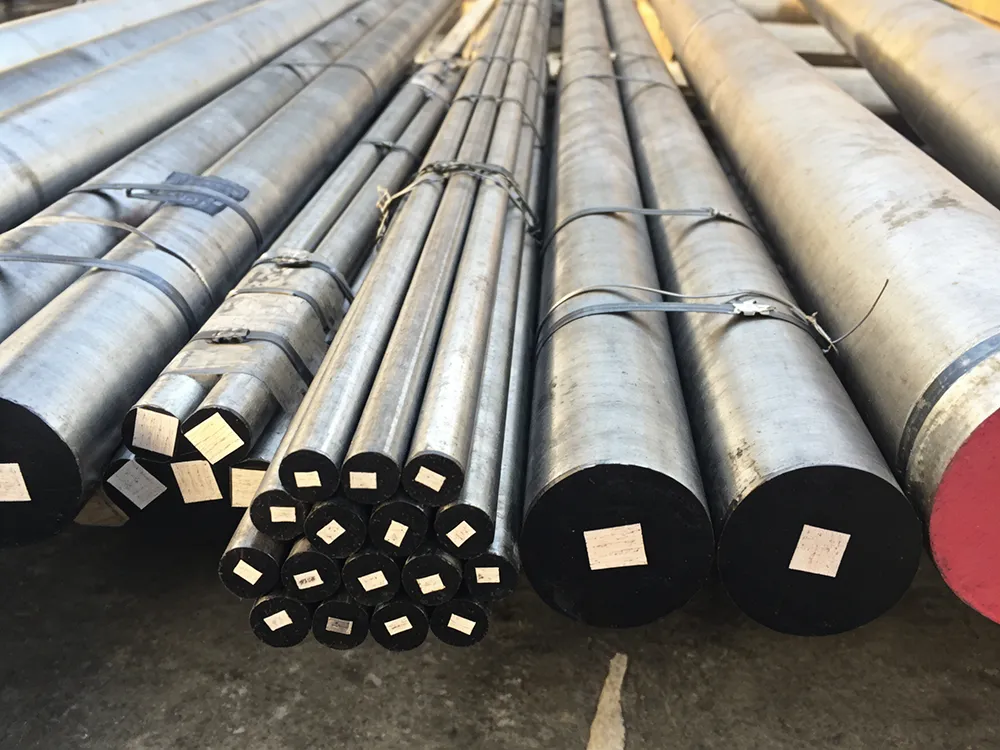
Tool Steel vs Carbon Steel
Tool steel: Higher hardness and wear resistance
Carbon steel: Lower cost but less durable
Tool Steel vs Stainless Steel
Tool steel: Better for cutting and wear resistance
Stainless steel: Better corrosion resistance. More information on material standards can be found at American Iron and Steel Institute (AISI).
How to Choose the Right Tool Steel
Selecting the correct tool steel depends on several factors:
Application type – cutting, forming, or molding
Operating temperature – high or low heat conditions
Required hardness – depends on performance needs
Wear resistance requirements
Budget constraints
For complex or high-precision projects, working with a professional CNC machining provider working with a professional CNC machining provider can help ensure the right material selection.
Tool Steel Properties Comparison Table
| Property | Tool Steel | Carbon Steel | Stainless Steel |
|---|---|---|---|
| Hardness | High | Medium | Medium |
| Wear Resistance | High | Low | Medium |
| Heat Resistance | High | Low | Medium |
| Corrosion Resistance | Low | Low | High |
FAQ
What is tool steel used for?
Tool steel is used for cutting tools, molds, dies, and other components that require high strength and wear resistance.
What makes tool steel different from other steels?
Tool steel is specifically engineered for hardness, durability, and resistance to wear and heat.
Is tool steel stronger than stainless steel?
Tool steel is generally harder and more wear-resistant, while stainless steel offers better corrosion resistance.
Can tool steel be CNC machined?
Yes, tool steel can be CNC machined, but it often requires specialized tooling due to its hardness.
Conclusion
Tool steel is an essential material in modern manufacturing, offering exceptional hardness, wear resistance, and durability. Its wide range of types and properties makes it suitable for everything from cutting tools to industrial molds.
Understanding tool steel properties and applications can help you select the right material for your project, improving both performance and cost efficiency.
If you need custom CNC machined parts using tool steel, working with an experienced manufacturer ensures precision, quality, and reliable delivery.