Silver is a valuable metal widely used in jewelry, electronics, and precision manufacturing, especially in CNC machining services. Understanding the melting point of silver is essential for processes like casting, soldering, and CNC machining, where temperature control directly affects quality and performance.
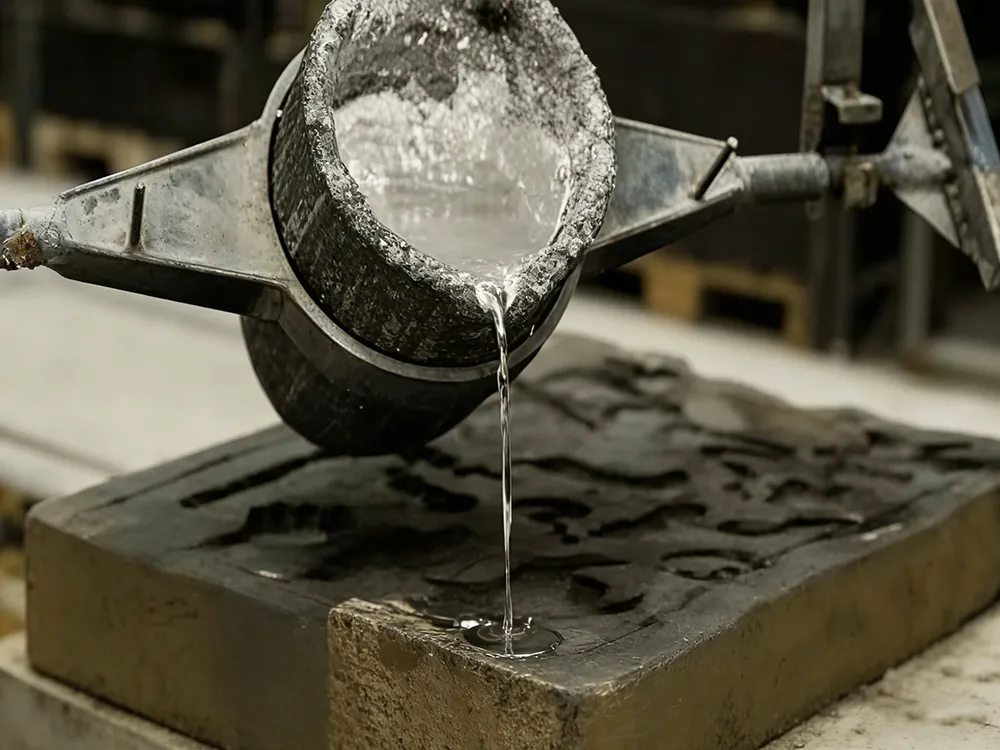
What is the Melting Point of Silver?
The melting point of silver is a fixed and well-defined value for pure silver. For technical reference, see Engineering Toolbox.
- 961.8°C (1763°F)
This temperature represents the point at which solid silver transitions into liquid form under standard atmospheric conditions. Unlike alloys, pure silver has a single, precise melting point because it is an elemental metal with a uniform atomic structure.
This property makes silver predictable and reliable in high-precision applications, especially where thermal consistency is important. In industrial processes, knowing the exact melting point helps ensure accurate temperature control, preventing overheating or incomplete melting.
Silver Melting Point Range
While pure silver melts at a fixed temperature, most real-world applications use silver alloys rather than pure silver. These alloys introduce a melting range instead of a single melting point.
For example:
- Sterling silver (92.5% silver, 7.5% copper) melts at approximately 893°C – 907°C (1640°F – 1665°F)
The presence of copper lowers the melting temperature slightly and creates a range rather than a sharp transition. This behavior is typical of alloys, where different components melt at slightly different temperatures.
This range is important in manufacturing processes such as casting and soldering, where gradual melting can affect flow characteristics and final product quality.
Silver Melting Point Chart
Below is a comparison of melting temperatures for different types of silver:
| Material | Melting Point (°C) | Melting Point (°F) |
|---|---|---|
| Pure Silver | 961.8°C | 1763°F |
| Sterling Silver | ~893–907°C | ~1640–1665°F |
| Silver Alloys | Varies | Varies |
This chart highlights the difference between pure silver and commonly used alloys, helping engineers and manufacturers choose the right material for their applications.
Factors That Affect the Melting Point of Silver
Several factors influence how silver melts, particularly when dealing with alloys or industrial conditions:
Alloy Composition
The addition of other metals, such as copper, significantly affects the melting point. The more alloying elements present, the wider the melting range becomes.
Purity
Higher purity silver (closer to 100%) has a more consistent and higher melting point. Lower purity results in variations and reduced temperatures.
Impurities
Unwanted elements or contaminants can alter melting behavior, sometimes causing unpredictable results during processing.
Environmental Conditions
Factors such as pressure and furnace atmosphere can have minor effects on melting behavior, especially in controlled industrial environments.
Understanding these factors is crucial for achieving consistent quality in manufacturing processes.
Silver vs Other Metals Melting Point

Comparing silver with other metals provides useful context for material selection:
| Metal | Melting Point |
|---|---|
| Silver | 961.8°C |
| Gold | 1064°C |
| Copper | 1085°C |
| Aluminum | 660°C |
Key Comparisons:
- Silver melts at a lower temperature than gold and copper, making it easier to process.
- Aluminum has a significantly lower melting point, which simplifies casting but limits high-temperature applications.
- Copper, often alloyed with silver, has a higher melting point and adds strength to the material.
These comparisons are important when selecting materials for applications that require specific thermal properties.
Why Silver Melting Point Matters in Manufacturing
The melting point of silver plays a critical role in various industrial processes:
Casting
Silver is commonly used in casting for jewelry and industrial components. Knowing the melting point ensures proper fluidity and mold filling.
Soldering and Brazing
Silver-based solders rely on precise melting temperatures to create strong and reliable joints without damaging surrounding materials.
Electronics
Silver’s high conductivity makes it essential in electronic components. Temperature control during manufacturing prevents damage and ensures performance.
Precision Engineering
In applications requiring tight tolerances, thermal stability is crucial. Understanding melting behavior helps maintain dimensional accuracy.
Silver in CNC Machining Applications

Although CNC machining does not involve melting the material, the thermal properties of silver still influence machining performance. Silver is used in specialized applications where conductivity and precision are critical, particularly among advanced machining materials.
Key Properties for Machining:
- High thermal conductivity helps dissipate heat quickly, reducing tool wear
- Softness and ductility allow easy cutting and shaping
- Excellent surface finish can be achieved with minimal effort
- Good electrical conductivity makes it ideal for connectors and electronic parts
However, silver is softer than many other metals, which can lead to deformation if not properly supported during machining. Proper tooling and process control are essential to maintain precision.
Typical CNC Applications:
- Electrical connectors
- Contact components
- Precision electronic parts
- Custom conductive elements
Because of its cost, silver is usually used selectively in high-value or performance-critical applications.
How to Choose the Right Silver Material
Selecting the appropriate type of silver depends on several factors:
Application Requirements
For electrical applications, high purity silver is preferred due to its superior conductivity. For structural applications, alloys may offer better strength.
Mechanical Properties
Alloying silver with copper increases hardness and durability, making it more suitable for wear-resistant components.
Cost Considerations
Pure silver is expensive, so alloys are often used to balance performance and cost.
Manufacturing Process
Different processes, such as casting or machining, may require specific silver grades to achieve optimal results.
Careful evaluation of these factors ensures that the chosen material meets both performance and budget requirements.