Introduction
Brass is one of the most widely used metal alloys in modern manufacturing, especially in CNC machining services, due to its excellent machinability, corrosion resistance, and versatility. From plumbing fittings to precision-engineered components, brass plays a crucial role across multiple industries.
Understanding the brass melting point is essential for processes such as casting, welding, and CNC machining. Temperature control directly affects material behavior, product quality, and manufacturing efficiency. Whether you are an engineer, manufacturer, or buyer, knowing how brass responds to heat can help you make better material and process decisions.
In this guide, we will explore the melting point of brass, the factors that influence it, comparisons with other metals, and how it impacts CNC machining applications.
What is the Melting Point of Brass?
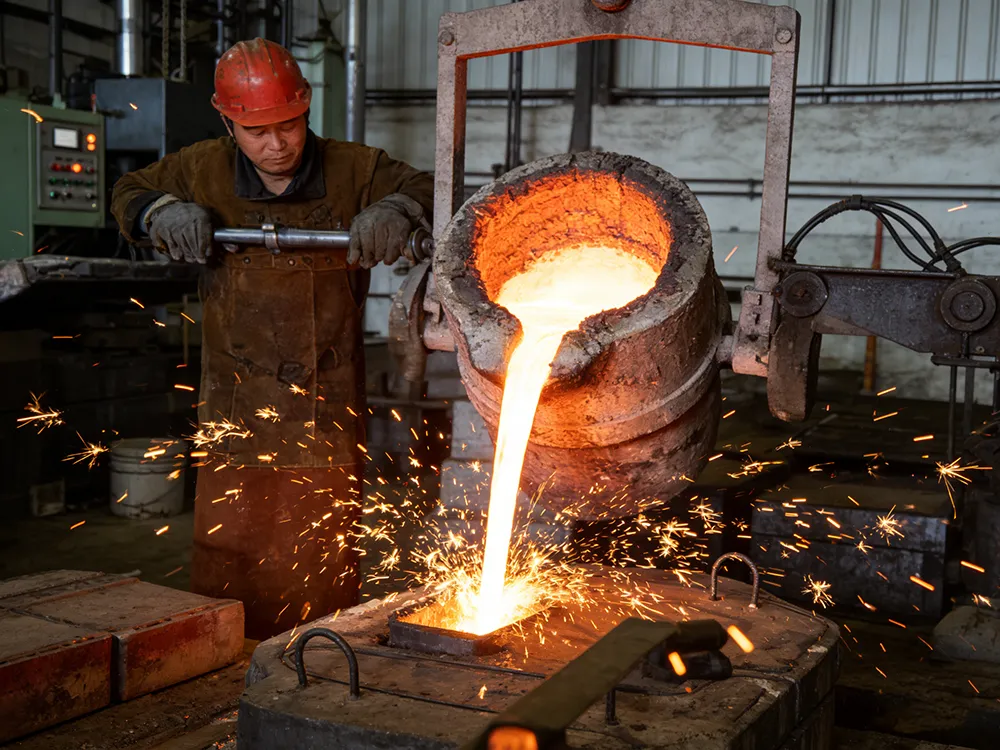
The melting point of brass is not a single fixed temperature but a range. This is because Brass is an alloy primarily composed of copper and zinc and is widely used among various machining materials, with properties that vary depending on the composition.
Typically, brass melts between:
- 900°C – 940°C (1650°F – 1720°F)
Different types of brass fall within this range, depending on their zinc content and any additional alloying elements. This melting range makes brass easier to process than many high-temperature metals like steel while still maintaining good strength and durability.
Brass Melting Point Chart
The table below provides a general overview of melting temperatures for common brass alloys:
| Alloy Type | Melting Point (°C) | Melting Point (°F) |
|---|---|---|
| Cartridge Brass | ~930°C | ~1710°F |
| Red Brass | ~900°C | ~1650°F |
| Yellow Brass | ~920°C | ~1688°F |
These values are approximate but provide a useful reference when selecting materials for different manufacturing processes.
Why Does Brass Have Different Melting Points?
Brass is not a pure metal—it is a combination of copper and zinc, and sometimes other elements. For more technical information, refer to Copper Development Association. The variation in composition directly affects its melting temperature and other properties.
- Copper (Cu): Higher copper content generally increases the melting point and improves corrosion resistance.
- Zinc (Zn): Increasing zinc content lowers the melting point and enhances machinability.
- Lead (Pb): Often added to improve machinability, especially in CNC applications.
- Tin (Sn): Can improve strength and corrosion resistance in certain alloys.
Because manufacturers tailor brass compositions for specific uses, the melting point naturally varies across different grades.
Factors That Affect Brass Melting Point
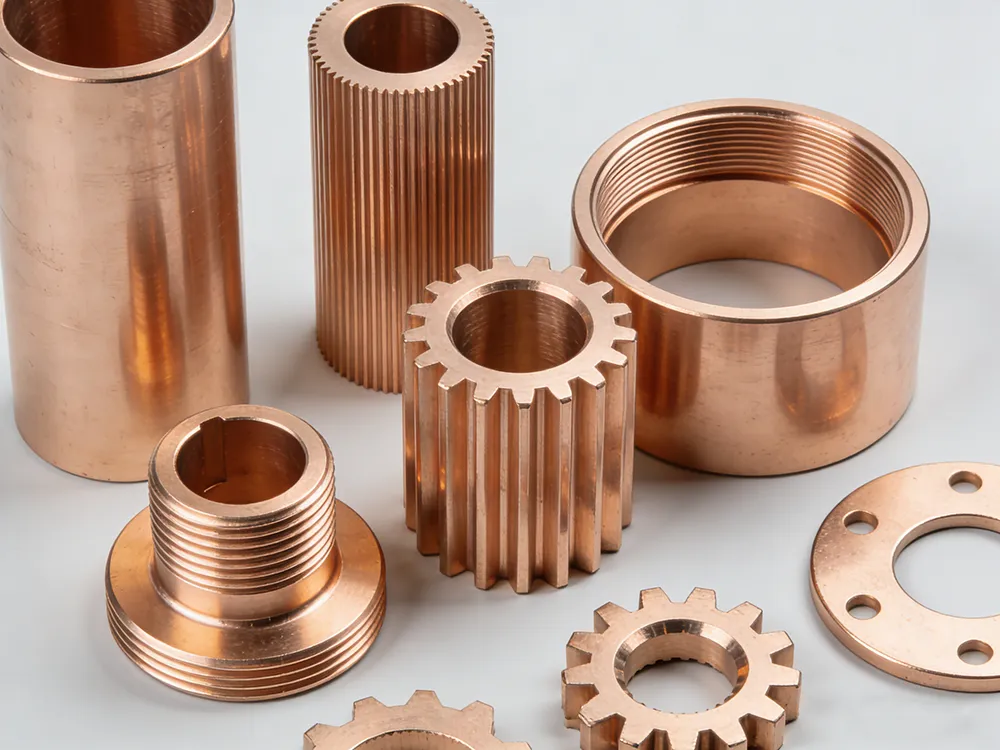
Several factors influence the melting behavior of brass beyond its basic composition:
1. Alloy Composition
The ratio of copper to zinc is the primary factor. Even small changes can shift the melting range.
2. Zinc Content
Higher zinc content lowers the melting temperature, making the material easier to melt and cast.
3. Impurities
Trace elements or contaminants can slightly alter melting behavior and affect performance.
4. Manufacturing Conditions
External factors such as pressure, furnace atmosphere, and heating rate can influence how brass melts in industrial settings.
Understanding these variables is critical for achieving consistent results in production.
Brass vs Other Metals Melting Point
To better understand brass, it is useful to compare its melting point with other commonly used metals:
| Material | Melting Point |
|---|---|
| Brass | 900–940°C |
| Copper | 1085°C |
| Aluminum | 660°C |
| Steel | ~1370–1500°C |
Key Insights:
- Brass melts at a lower temperature than copper due to zinc content.
- Aluminum has a much lower melting point, making it easier to cast but less durable in high-temperature applications.
- Steel requires significantly higher temperatures, increasing manufacturing costs and complexity.
These differences play an important role when selecting materials for engineering and production.
Why Brass Melting Point Matters in Manufacturing
The brass melting point is a key factor in several industrial processes:
Casting
Brass’s relatively low melting temperature allows it to be easily cast into complex shapes, making it ideal for valves, fittings, and decorative components.
Welding and Brazing
Knowing the melting point helps prevent overheating and ensures strong, reliable joints.
Heat Treatment
Controlled heating and cooling processes depend on accurate temperature ranges to achieve desired material properties.
Quality Control
Incorrect temperature control can lead to defects such as porosity, cracking, or dimensional inaccuracies.
By understanding melting behavior, manufacturers can improve efficiency and reduce production errors.
Brass Melting Point in CNC Machining
Although CNC machining does not involve melting the material, thermal properties still play an important role in performance. Brass is widely regarded as one of the best materials for CNC milling and turning due to its excellent machinability and thermal properties.
Key Advantages:
- Excellent thermal conductivity helps dissipate heat quickly during cutting
- Stable structure minimizes deformation under machining stress
- Low friction reduces tool wear and extends tool life
- High precision capability allows tight tolerances and smooth finishes
Because of these properties, brass is commonly used for precision parts such as electrical connectors, fittings, valves, and custom components.
Manufacturers often prefer brass when they need a balance between performance, cost, and machinability. Its moderate melting point contributes to its overall ease of processing compared to harder metals.
How to Choose the Right Brass Alloy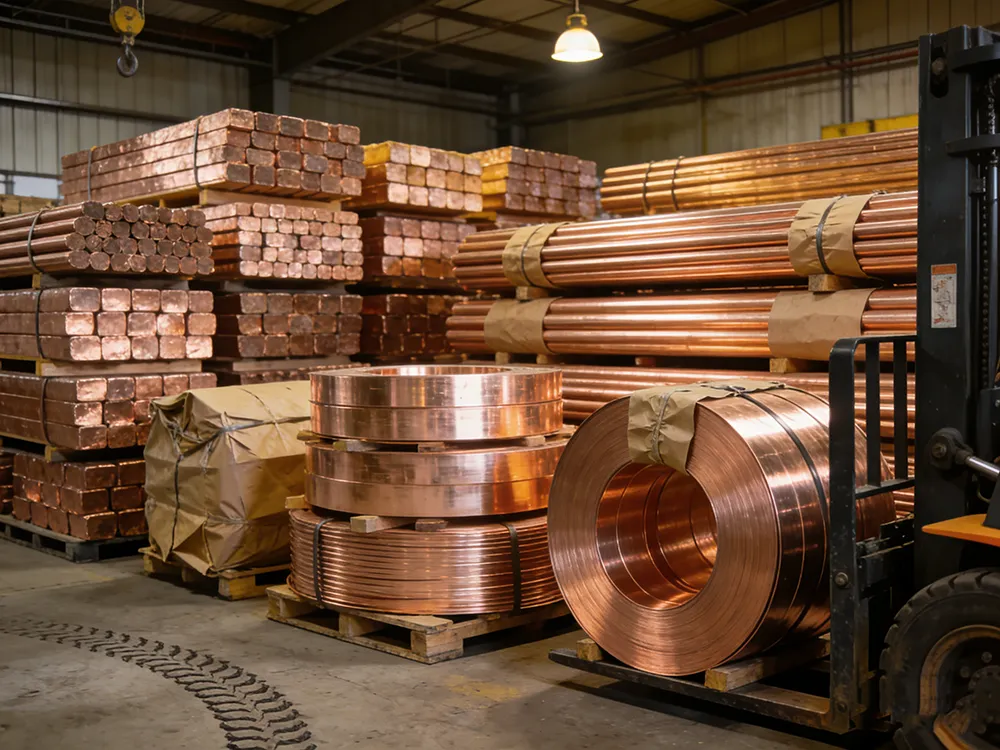
Selecting the appropriate brass alloy depends on several factors:
Application Requirements
Different industries require different properties, such as strength, corrosion resistance, or conductivity.
Machinability
Free-cutting brass alloys are ideal for CNC machining due to improved efficiency and reduced tool wear.
Strength and Durability
Higher copper content alloys typically offer better mechanical properties.
Cost Considerations
Balancing performance and budget is essential, especially for large-scale production.
For complex or high-precision projects, working with an experienced CNC machining provider can help ensure optimal material selection and production results.
FAQ
What temperature does brass melt at?
Brass typically melts between 900°C and 940°C, depending on its composition.
Is brass easy to melt?
Yes, brass has a relatively low melting point compared to steel, making it easier to process in casting and manufacturing.
Does brass melt lower than copper?
Yes, brass melts at a lower temperature due to the presence of zinc.
Can brass be CNC machined?
Absolutely. Brass is one of the easiest and most efficient materials to machine, offering excellent surface finish and precision.
Conclusion
The brass melting point is a fundamental property that influences how this versatile alloy is used across different industries. With a melting range of approximately 900°C to 940°C, brass offers an ideal balance between workability and performance.
Understanding how composition affects melting behavior allows manufacturers and engineers to make better decisions in casting, machining, and product design.
In CNC machining, brass stands out for its excellent machinability, thermal stability, and cost-effectiveness. Choosing the right alloy and working with experienced professionals can significantly improve product quality and production efficiency.
If you are looking for precision-machined brass components, partnering with a reliable CNC machining provider ensures consistent results, high quality, and on-time delivery.