Nickel is a widely used metal known for its strength, durability, and excellent corrosion resistance, especially in CNC machining services. It plays a critical role in industries such as aerospace, electronics, and manufacturing. A common question many people ask is: does nickel rust? Understanding how nickel behaves in different environments is essential when selecting materials for industrial and engineering applications.
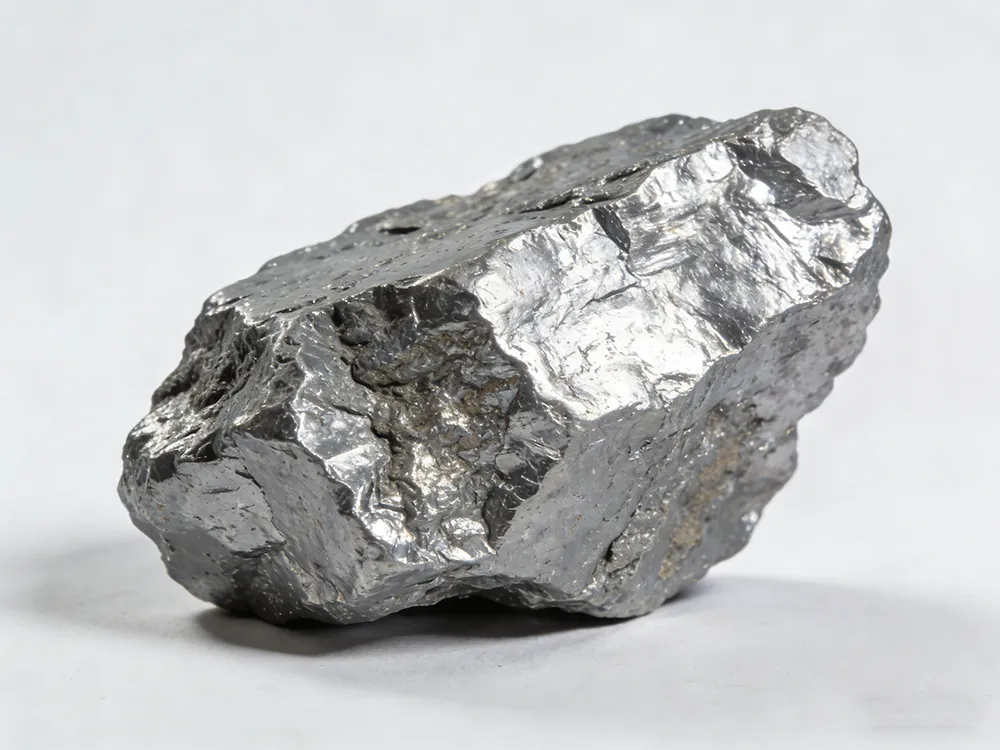
Does Nickel Rust?
The short answer is: nickel does not rust.
Rust specifically refers to the formation of iron oxide, which occurs when iron reacts with oxygen and moisture. For a technical explanation, see Engineering Toolbox. Since nickel does not contain iron, it cannot “rust” in the traditional sense.
However, nickel can still undergo corrosion under certain conditions. Corrosion is a broader term that describes the chemical or electrochemical reaction between a material and its environment, leading to degradation.
So while nickel does not rust like iron, it is not completely immune to all forms of corrosion.
Why Nickel Does Not Rust Like Iron
To understand why nickel behaves differently, it is helpful to compare it with iron.
Iron and Rust Formation
Iron reacts with oxygen and water to form iron oxide (rust). This rust layer is porous and weak, allowing further corrosion to continue beneath the surface.
Nickel and Passive Layer Formation
Nickel, on the other hand, forms a thin and stable oxide layer on its surface. This layer is known as a passive layer, and it acts as a protective barrier that prevents further oxidation.
This self-protecting mechanism is what gives nickel its excellent corrosion resistance, making it suitable for harsh environments where other metals might fail.
Corrosion Resistance of Nickel
Nickel is highly valued for its strong resistance to corrosion in a variety of environments.
Key Properties:
- Excellent resistance to oxidation
- Stable performance in humid conditions
- Good resistance to many chemicals
- Strong durability in high-temperature environments
Nickel performs particularly well in industries such as:
- Chemical processing
- Marine engineering
- Energy and power generation
- Electronics manufacturing
Because of these properties, Nickel is often used as a protective coating or alloying element to enhance corrosion resistance in other metals. More details are available at Nickel Institute .
Factors That Affect Nickel Corrosion
Although nickel is corrosion-resistant, certain conditions can still affect its performance.
1. Environmental Conditions
High humidity, saltwater exposure, and polluted air can increase the likelihood of corrosion over time.
2. Temperature
Elevated temperatures can accelerate chemical reactions, potentially reducing corrosion resistance in extreme environments.
3. Chemical Exposure
Strong acids or alkaline environments may attack the protective oxide layer, leading to corrosion.
4. Alloy Composition
Nickel alloys behave differently depending on their composition. Some alloys are specifically designed for extreme corrosion resistance, while others prioritize strength or heat resistance.
Understanding these factors helps engineers choose the right material for specific applications, especially when evaluating different CNC machining materials.
Nickel vs Other Metals (Rust & Corrosion Comparison)
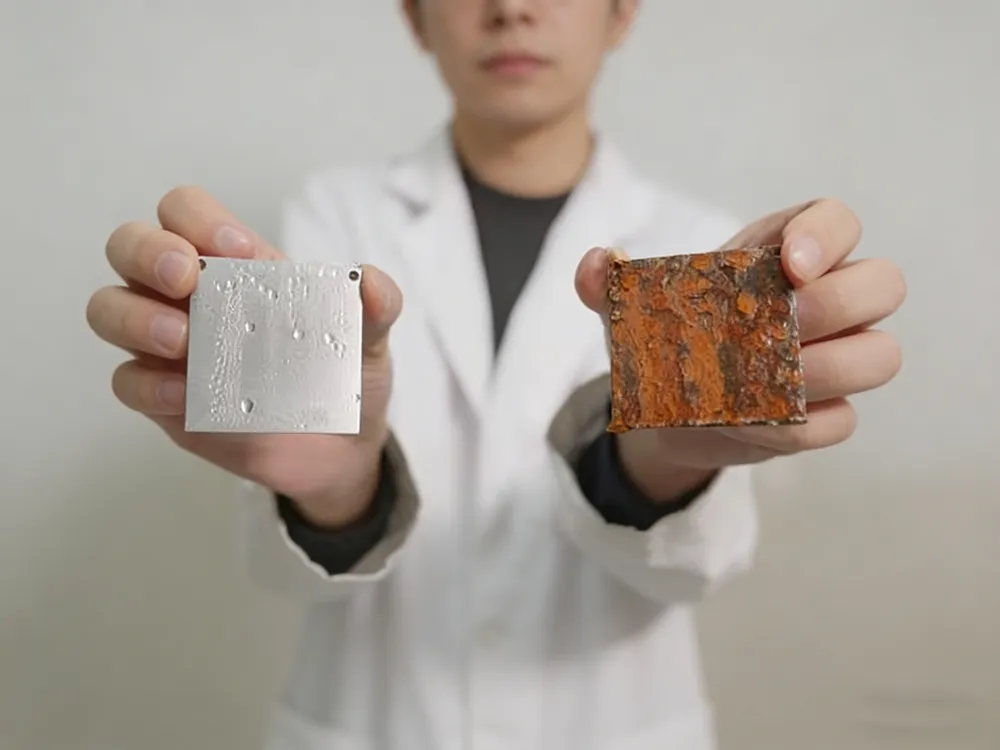
Comparing nickel with other metals provides a clearer understanding of its performance:
| Metal | Rust? | Corrosion Resistance |
|---|---|---|
| Nickel | No | High |
| Iron | Yes | Low |
| Stainless Steel | No | High |
| Aluminum | No | Medium |
Key Insights:
- Nickel does not rust, unlike iron
- Stainless steel also resists rust due to chromium content
- Aluminum forms a protective oxide layer but is less resistant than nickel in some environments
This comparison highlights why nickel is often selected for applications requiring long-term durability.
Common Applications of Nickel
Nickel is used across a wide range of industries due to its unique properties.
Nickel Plating
Nickel is frequently used as a coating to improve corrosion resistance and surface appearance.
Stainless Steel Production
Nickel is a key element in stainless steel, enhancing both strength and corrosion resistance.
Batteries
Nickel is widely used in battery technologies, including rechargeable batteries.
Aerospace and Industrial Components
Nickel alloys are used in high-performance environments where strength and heat resistance are critical.
Nickel in CNC Machining Applications
Nickel and its alloys are commonly used in CNC machining, especially for high-performance and corrosion-resistant components in precision CNC machining services .
Advantages in Machining:
- Excellent corrosion resistance for long-lasting parts
- High strength and durability
- Good performance in extreme environments
Challenges:
- Nickel alloys can be more difficult to machine than materials like aluminum or brass
- Higher cutting forces and tool wear require specialized tooling
Typical CNC Applications:
- Aerospace components
- Chemical processing equipment
- Precision mechanical parts
- High-performance industrial components
Despite the challenges, nickel remains a preferred material when durability and corrosion resistance are critical.
Advantages and Limitations of Nickel
Advantages:
- High corrosion resistance
- Excellent thermal stability
- Strong mechanical properties
- Long service life
Limitations:
- Higher material cost compared to common metals
- More difficult to machine
- Requires specialized tools and processes
Understanding both the benefits and limitations helps manufacturers make informed decisions when selecting materials