The melting point of steel refers to the temperature at which steel transitions from solid to liquid. Because steel is an alloy (primarily iron plus carbon and other elements), it does not melt at one fixed temperature. Instead, each grade of steel has a solidus (beginning of melt) and a liquidus (fully molten), creating a melting range. This melting range is fundamental to metallurgy, casting, forging and manufacturing. In this guide, we explain typical melting temperature ranges, factors affecting them, differences among steel types (mild, carbon, alloy, stainless, tool, etc.), key industrial applications, and common misconceptions. Understanding steel’s melting behavior is essential for process design, material selection and ensuring quality in metalworking.
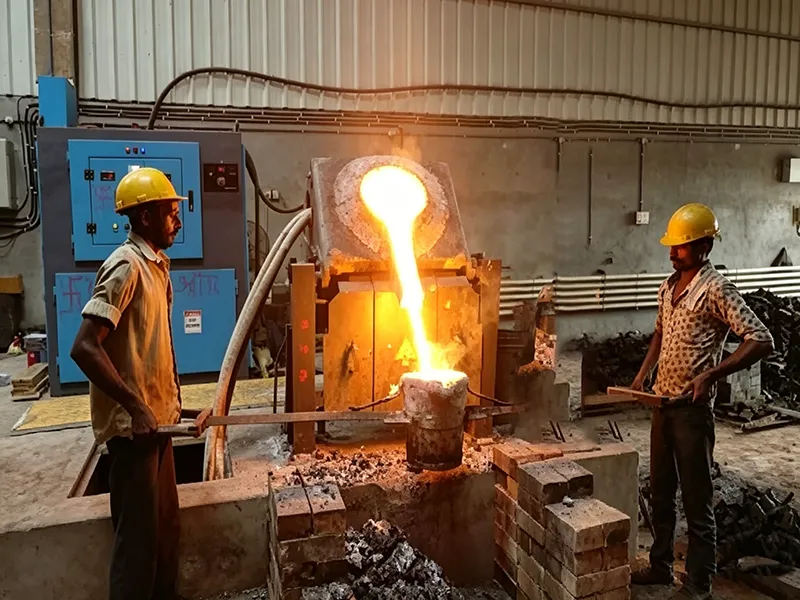
What Is the Steel Melting Point?
For a pure metal, the melting point is a single temperature. Pure iron (Fe) has a sharp melting point of about 1538 °C (2800 °F). In contrast, steel (iron with carbon and alloys) begins to melt at the solidus and finishes at the liquidus. In between these two points it is a mixture of solid and liquid. For steels, the solidus and liquidus can differ by tens to hundreds of degrees. In practice, metallurgists use the entire melting range rather than a single value when specifying furnace temperatures or casting conditions. For example, a common carbon steel might start melting around 1,400 °C and finish melting by about 1,530 °C. This range depends on composition; even a small amount of carbon (e.g. 0.1%) splits the single iron melting point into a range.
Why Steel Melting Point Matters in Metallurgy
Melting behavior is critical for metallurgists. Knowing the melt range of a steel grade guides the design of melting, casting, welding, and heat-treatment processes. For casting, the furnace must reach above the liquidus to pour properly, while for forging and heat treatment, temperatures stay well below melting (forging steels are typically heated to ~900–1,250 °C). In welding or thermal joining, local melting occurs, but engineers must avoid unintended liquation in adjacent zones. Furnace type and atmosphere are chosen based on melt point, and strict temperature control ensures efficient energy use and product quality. In short, understanding steel’s melting range is foundational to all hot-working and casting operations.
Steel Melting Point Range
Different steels melt over different temperature ranges. Most common carbon and stainless steels have a solidus–liquidus window roughly between 1,370 °C and 1,530 °C (2,500–2,800 °F). For instance, mild (low-carbon) steels may melt between about 1,428–1,530 °C, whereas some high-carbon or alloy steels may have lower solidus (and thus melt at lower temperature). The Fe–C phase diagram governs these transitions: there is no single “melting point” for steel, but rather a mushy zone where solid and liquid coexist. Alloying elements (Cr, Ni, Mo, etc.) and carbon alter these boundaries, shifting and often widening the range. In practice, engineers always refer to the solidus (begin melt) and liquidus (end melt) from datasheets or phase diagrams when designing processes.
Steel vs Pure Iron: What’s the Difference?
The pure element iron melts at about 1538 °C (2800 °F). Adding carbon and other elements lowers and broadens the melting behavior. Even a small carbon content (0.1%) creates a melting range instead of a sharp point. For example, typical carbon steels melt between roughly 1370–1540 °C, which can be lower than pure Fe. In the iron–carbon system, the eutectic point (cast iron region, ~4.3% C) occurs at only ~1148 °C, far below iron’s 1538 °C. Thus steel (≤2.1% C) always melts at lower temperatures than pure iron. This difference is crucial: it means furnace temperatures for steelmaking can be somewhat lower than for pure iron, and it distinguishes steels from cast irons in terms of processing and properties.
How Carbon Content Affects Steel Melting Point
Low Carbon Steel
Steels with very low carbon (≈0.05–0.15% C) behave almost like pure iron. Their solidus is only slightly below 1538 °C. For example, a 0.10% C steel has a solidus around 1528 °C and a liquidus ~1533 °C, giving a very narrow melt range. These steels require temperatures near 1520–1530 °C to fully liquefy, similar to iron.
Medium Carbon Steel
At medium carbon levels (~0.4–0.6% C), the melting range widens and shifts downward. For instance, a ~0.45% C steel (such as SAE 1045) has a solidus around 1490 °C and liquidus ~1510 °C. This means the melt range (~20 °C) is broader than in low-carbon steel, and both solidus and liquidus are a few tens of degrees lower. Typical medium-carbon steels melt roughly between 1460–1520 °C, depending on exact alloy content and processing.
High Carbon Steel
High-carbon steels (≈0.8–1.2% C) show even lower melting points. For example, at 0.80% C the solidus is about 1420 °C and the liquidus ~1475 °C. As carbon increases, the solidus falls significantly: high-carbon steels often start melting in the 1400–1450 °C range. This broad mushy zone (tens of degrees wide) means high-carbon melts flow well but require careful temperature control. Beyond ~2.1% C, steels transition into cast iron territory (see below).
Cast Iron vs Steel
When carbon exceeds ~2.1–2.2%, the iron–carbon eutectic (ledeburite) dominates and the alloy is considered cast iron, not steel. Cast irons (≈3–4% C) have an eutectic melting at about 1148 °C. In other words, cast iron solidifies at a much lower temperature than carbon steels. This is why cast irons have different microstructures and require very different processing than steels. In short: increasing carbon in steel lowers the melting temperature; at around 4.3% C (the eutectic), the melt point bottoms out near 1148 °C.
Steel Melting Point by Steel Type
Steel grades have characteristic melting ranges. The table below summarizes typical solidus–liquidus bands for common steel families (approximate):
| Steel Type | Approx. Melting Range (°C) | Key Notes |
|---|---|---|
| Mild (Low-C) Steel | ~1,425–1,540 | Low carbon (≈0.1–0.3%) steels. Very narrow mushy zone; e.g. A36 melts ~1,428–1,530 °C. |
| Medium/High Carbon Steel | ~1,420–1,510 | Higher C broadens range. E.g. SAE 1045 (~0.45% C) melts ~1,490–1,510 °C. |
| Alloy Steel (Cr–Mo, Ni–Cr) | ~1,420–1,470 | Alloying (Cr, Ni, Mo) slightly shifts melt. For example, 4140 Cr–Mo: ~1,440–1,470 °C. |
| Stainless Steel | ~1,390–1,510 | Austenitics (304/316) ~1,390–1,455°C; ferritic/martensitic up to ~1,510°C. |
| Tool Steel | ~1,310–1,480 | High C and alloy (Cr, W, Mo) steels. E.g. D2 ~1,310–1,375 °C; H13 ~1,360–1,420 °C. |
| High-Speed Steel | ~1,280–1,420 | Specialized tool steels (W-Co-Cr). E.g. M2 ~1,350–1,420 °C; T1 ~1,330–1,410 °C. |
(Values above are approximate; consult manufacturer data for exact solidus/liquidus.)
The source data above come from metallurgy handbooks and industry tables, illustrating the variation among steel grades.
What Factors Affect the Melting Point of Steel?
- Carbon Content: Carbon is the primary factor. More carbon generally lowers the solidus temperature and broadens the melting range (wider mushy zone). The Fe–C phase diagram shows carbon-induced eutectics and peritectics that disrupt the iron melting point.
- Alloying Elements: Other alloys shift the melt range. For example, chromium (Cr) and molybdenum (Mo) tend to raise the liquidus (especially forming high-melting carbides), whereas nickel (Ni), manganese (Mn) and silicon (Si) slightly lower the melting temperatures. Combinations (e.g. Cr + Ni in stainless) can have complex, non-linear effects.
- Impurities: Trace elements like sulfur (S) and phosphorus (P) form low-melting compounds (e.g. FeS) that can lower the local melting point and cause hot-shortness. These “impurities” effectively reduce melt temperature in grain boundaries.
- Microstructure: The phases present (ferrite, austenite, carbides, etc.) influence melting. Phase transformations (peritectic or eutectic reactions) introduce kinks or plateaus in the melting curve. Grain size and solidification structure have secondary effects on melt behavior.
- Pressure & Heating Conditions: Under very high pressure, a material’s melting point increases (atoms are forced closer together). In normal practice this is minor, but in design of equipment for extreme conditions it matters. Also, heating rate during testing can shift the apparent melting onset; faster heating tends to raise the measured solidus temperature compared to slow heating.
Steel Melting Point in Celsius and Fahrenheit
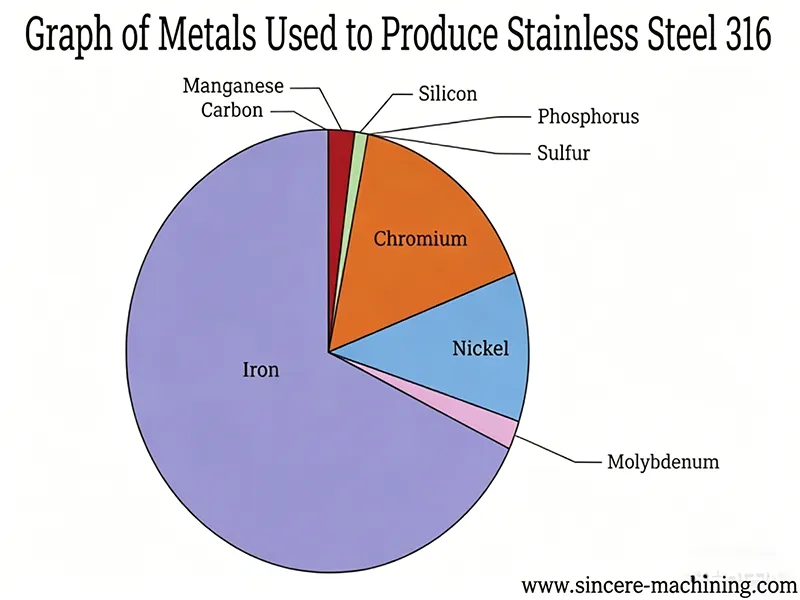
Steel melt ranges are usually expressed in Celsius (°C), but Fahrenheit (°F) may be used in the US. To convert: °F = (°C × 9/5) + 32. For example, 1400 °C ≈ 2552 °F. Common steel melt ranges (~1,370–1,530 °C) correspond to roughly 2,500–2,800 °F. In practice, the metal industry predominantly uses Celsius. Engineers should always specify which units are used (many specifications list both).
Steel Melting Point vs Other Metals
- Steel vs Iron: As noted, pure iron melts at ~1538 °C. Carbon steels melt lower (≈1370–1540 °C) due to alloying. Wrought iron (very pure, low C) melts slightly higher (1482–1593 °C).
- Steel vs Aluminum: Aluminum is a low-melting metal. Pure Al melts at only ≈660 °C. This is far below steel. (Thus aluminum alloys are easy to cast and shape at low temperatures.)
- Steel vs Copper: Copper’s melting point is ≈1084 °C. Steel’s melting range (~1370–1540 °C) is much higher. Copper and copper alloys form obvious separate categories in alloy selection due to this difference.
- Steel vs Stainless Steel: (Stainless steels are steels, but worth comparing.) Austenitic stainless grades (e.g. 304/316) melt around 1,400–1,455 °C. Notably, 304 SS has a solidus near 1400 °C, which is lower than many carbon steels (e.g. low-carbon structural steel solidus ~1510 °C). So austenitic stainless can melt at somewhat lower temperatures than mild steel, contrary to the myth that “stainless always melts higher.”
- Steel vs Cast Iron: Cast iron melts well below most steels. Gray cast iron melts roughly 1127–1204 °C. This reflects the high-carbon (and often high-silicon) eutectic composition. In material selection, such differences matter: for high-temperature parts, steel alloys often replace lower-melting cast irons.
These comparisons help engineers choose materials. For example, an application requiring service up to 1000 °C can use steel or nickel alloys, but not aluminum or copper, as shown in this melting temperatures reference. The table below (excerpt from industry charts) highlights these melting points:
- Aluminum: 660 °C
- Copper: 1084 °C
- Carbon Steel: 1370–1540 °C
- Cast Iron: 1127–1204 °C
- 304 Stainless Steel: ~1400 °C
Understanding these differences is useful for material selection based on thermal requirements. You can explore more related metal processing articles.
How Steel Is Melted in Industry
- Electric Arc Furnace (EAF): The EAF is widely used to melt scrap steel and produce specialty alloys. It uses high-power electric arcs between electrodes and the metal bath, allowing flexible and intense heating. EAFs are ideal for scrap recycling and precise chemistry control in smaller to medium batches.
- Induction Furnace: Induction furnaces melt metal using electromagnetic induction on a charge placed in a ceramic crucible. They provide a clean melt, excellent temperature control, and are efficient for small to medium heats. Industries use induction furnaces for alloy steels, laboratory melts, and when a uniform, contaminant-free melt is needed.
- Basic Oxygen Furnace (BOF): The BOF is the workhorse of large-scale steelmaking (from pig iron and some scrap). It operates at very high thermal flux, blowing oxygen to reduce carbon. While BOFs don’t focus on maximizing superheat, they rapidly convert hot metal to steel.
- Crucible Furnace (Small Batches): A crucible furnace melts metals inside a refractory crucible (graphite or ceramic). These furnaces operate up to roughly 1200–1800 °C and are used for very small batches or specialty steels (e.g. tool steels, lab alloys). Crucible furnaces offer precise control and minimal contamination, but are impractical for large volumes.
Each furnace type has trade-offs: EAFs and induction furnaces are common for steel melts due to efficiency and control, whereas crucible methods are niche. Operators always control melt superheat (degrees above liquidus) to achieve the right fluidity and alloying while avoiding defects.
Common Industrial Applications That Require Steel Melting
- Steel Casting: Melting steel to pour into molds for parts (e.g. wheels, engine blocks, structural castings). Casting requires melt temperatures well above liquidus to ensure complete filling and feeding, with careful control of superheat to balance fluidity and minimize porosity.
- Foundry Operations: Foundries specialize in melting and casting metals, including steel. Foundry furnaces (EAF, induction, etc.) are the core equipment. Engineers must design gating and risers based on the solidus–liquidus range to avoid shrinkage defects.
- Recycling Scrap Steel: Scrap metal is commonly recycled in EAFs. The charge can be highly variable, so controlling tramp elements (Cu, Sn, P, etc.) is often more critical than small shifts in melt temperature. EAF operators simply heat the bath above the alloy’s liquidus and adjust chemistry.
- Alloy Production: Producing alloy steels (e.g. high-strength, stainless, tool steels) involves melting base iron/carbon and adding alloying elements. Precise temperature and composition control in furnaces like induction or vacuum melting is needed to achieve the desired melt without contamination.
- Tool and Component Manufacturing: Many high-performance steels (tool steels, high-speed steels) are melted for forging or casting specialized components. Melting in controlled environments (often crucible or vacuum induction) ensures purity. The resulting ingots or billets are then formed into tools and precision parts.
In all these applications, steel melting is a key step. Different applications call for different furnace methods and temperature practices. For example, heavy castings may use higher superheat to improve fluidity, while melting for alloy steel requires tight chemistry control.
Common Mistakes When Working with Steel Melting Temperatures
- Treating the “Melting Point” as a Fixed Value: Assuming one fixed temperature for all steels is wrong. Each steel has its own range. Using a generic value (e.g. 1500 °C) for all steels can lead to under- or over-heating.
- Ignoring Composition/Alloying: Overlooking the effect of carbon or alloying elements on melt temperature is a major error. For instance, a stainless grade and a plain carbon steel can differ by 50–100 °C in melt range. Always reference the specific grade’s data.
- Using Theoretical Solidus as Pour Temperature: Pouring at or just above the solidus (initial melt) is problematic. In reality, molten metal must be held several tens of degrees above the liquidus (superheated) to ensure flow. Failing to include superheat leads to poor fluidity and cold shuts.
- Insufficient Melting Temperature: Not providing enough heat causes incomplete melt (dross, unmelted chunks) and poor casting. Too low a temperature leads to defects like misruns and porosity.
- Excessive Overheating: Conversely, overheating wastes energy and can degrade the steel. Excessive superheat increases oxidation, gas pickup, and refractory wear. It may also evaporate or boil off low-melting alloys. Control the melt just above liquidus for best results.
Avoiding these mistakes requires understanding that steel melting is grade-specific and process-specific. Always consult steel data and follow industry melting guidelines.
Steel Melting Point and Casting Temperature
The casting (pour) temperature is typically set well above the material’s melting point range. Engineers heat the steel melt to a controlled superheat above the liquidus. For example, if a steel’s liquidus is 1500 °C, the actual pour temperature might be 1550–1600 °C to maintain fluidity. Simply reaching the start of melting is usually not enough. This superheat compensates for heat loss and ensures the metal fills the mold. Choosing the right pour temperature is critical: too low and the metal won’t fill the mold (cold laps, short pours); too high and you get excess oxidation, gas entrapment, or burn-through. In summary, “melting point” ≠ “casting temperature”; melting gives a baseline, but castings require extra heat. Designers must base pouring temps on the full solidus–liquidus range and consider casting-specific needs.
Steel Melting Point in Metallurgical Design and Process Control
Melting point data influences many design choices. If a steel melts near the upper limit of available furnace capabilities, a different furnace or alloy might be chosen. For example, very high-melting steels may require electric or vacuum induction furnaces. The refractory lining of a furnace must withstand above the melt range. Energy consumption is also tied to melting point: higher melting steels need more heat input and longer heating times.
Furthermore, the melting range impacts product quality and consistency. A wider solidus–liquidus gap means a longer “mushy zone,” affecting solidification and shrinkage. Casting engineers use this information to size risers and feeders. In recycling scrap, melt temperature control ensures uniformity from batch to batch. In short, the melting range is a key parameter in process modeling, energy calculations, and quality control. As one industry guide notes, the melting temperature is a critical threshold – exceeding it means the component is fully liquid and will fail or deform. Designers and metallurgists must therefore incorporate accurate melt ranges (from standards or CALPHAD models) in all process planning.
Safety Considerations When Melting Steel
Melting steel is inherently hazardous. Molten steel pours at >1500 °C emit intense radiant heat. Contact with molten metal or slag causes severe burns, and splashes can injure or start fires. Oxygen evolution and combustible reactions must be controlled. Proper furnace design and PPE are mandatory: heavy insulation, controlled vents, and water-cooled handling systems. Operators must wear heat-resistant gear, face shields and follow strict protocols. Continuous temperature monitoring and automated shutoffs are typical safety features. In summary, the extreme conditions of molten steel (spatter, heat, fumes) make safety a top priority; every melt operation should plan for protective measures and emergency procedures.
Common Misunderstandings About Steel Melting Point
- All steels have the same melting point: False. Each steel grade has a unique melting range. Even within one family (like carbon steels), melting points vary by dozens of degrees.
- Stainless steel always melts at a higher temperature than carbon steel: False. Many austenitic stainless steels (e.g. 304, 316) actually melt in a similar or slightly lower range compared to low-carbon steels. For example, 304SS solidus ~1400 °C, which is about 100 °C below a typical low-carbon steel solidus.
- Reaching the melting point means the steel is ready to pour: False. The melting range (solidus–liquidus) means partial melting has begun. Proper casting requires superheating above the liquidus. Confusing solidus with final melt temperature is a common error.
- Higher melting point means a better material: False. Melting point is just one property. A higher-melting alloy may be more difficult to work, while a lower-melting one might offer better toughness or corrosion resistance. One should not judge “quality” by melt temperature alone.
- Melting point is the same as maximum service temperature: False. A steel’s safe operating temperature (creep limit, oxidation threshold) is much lower than its melting point. For example, 304SS has a melting point ~1400 °C, but it is typically only used continuously up to ~800–900 °C due to strength and oxidation limits.
Correct understanding of steel melting behavior dispels these myths. Always refer to solidus/liquidus values and think in terms of ranges and application-specific temperatures.
How to Choose the Right Steel for High-Temperature Applications
When selecting a steel for high-heat service, consider its melting range and high-temperature properties. Alloys with high melting points and stable high-temp strength are preferred. Typically, steels with large amounts of Cr, Ni, Mo or Co retain strength at elevated temperatures. For instance, austenitic stainless steels (10–30% Cr, 8–20% Ni) and nickel-based alloys are designed for 1000+ °C service. However, do not choose by melting point alone: also evaluate oxidation resistance, creep strength, and the intended thermal cycle. In practice, engineers pick alloys whose melting range significantly exceeds the required operating temperature and that have proven hot-strength. For example, heat-resistant alloys often carry combinations like Cr–Ni–Mo for scale resistance. Check manufacturer datasheets for solidus/liquidus and long-term properties rather than relying on a single melting-point figure.
Summary
Steel’s “melting point” is best understood as a range determined by alloy chemistry and phase equilibria. Typical carbon steels melt between roughly 1,370–1,540 °C, but every grade is different. Carbon and alloying elements lower or raise the solidus/liquidus temperatures and broaden the melt range. In industry, metallurgists never assume a single fixed point; instead, they design melting and casting processes based on the full solidus–liquidus data for that alloy. Understanding these melting ranges is critical for furnace selection, energy planning, and ensuring good casting quality. In practice, professionals always consult grade-specific datasheets or phase diagrams. Remember: steel melting is a spectrum of temperatures, not one number.
FAQ
- What is the melting point of steel?
It varies by grade. Common carbon steels melt roughly between 1370–1540 °C (2500–2800 °F). You must specify the exact alloy to get its solidus and liquidus from datasheets or phase diagrams. - Is the melting point of steel lower than iron?
Yes. Pure iron melts at ~1538 °C. Typical steels (with carbon) begin melting at lower temperatures (often 1400–1500 °C) due to the presence of carbon. - Does stainless steel melt at the same temperature as carbon steel?
Not exactly. Many austenitic stainless steels melt in a similar range to carbon steels, but the exact temperatures differ by grade. For example, 304SS solidus is around 1400 °C, while some low-carbon steels are above 1500 °C. Always check the specific grade. - Why does carbon affect steel’s melting point?
Carbon alters iron’s phase diagram. It lowers the liquidus and introduces a eutectic point (at ~4.3% C and 1148 °C). In essence, carbon expands the melt range and lowers the solidus temperature by forming low-melting iron-carbide phases. - What furnace is used to melt steel?
The main industrial furnaces are: Electric Arc Furnace (EAF) for scrap steel; Induction Furnace for clean small heats; and Basic Oxygen Furnace (BOF) for primary steelmaking. Crucible furnaces are used only for very small batches or specialty steels. - What is the difference between steel melting point and casting temperature?
The melting point (solidus/liquidus) is the start/end of melting. Casting temperature (pour temp) is higher – typically hundreds of degrees above the solidus – to ensure fluidity and compensate for heat loss. Casting requires the metal to be fully liquid plus superheat, whereas “melting point” alone just indicates when melting begins.