Stainless steel is renowned for its corrosion resistance, but it is not completely immune to rust. The term “stainless” means it resists stains and rust far better than ordinary steel, not that it will never rust. All stainless steels contain at least 10–11% chromium, which forms a thin, protective chromium-oxide film on the surface. This passive layer blocks oxygen and moisture from attacking the iron in the alloy. As long as this layer remains intact, stainless steel will stay shiny and unblemished. However, under harsh conditions or without proper maintenance, that protective film can break down and allow corrosion. In short: yes, stainless steel can rust over time if its oxide barrier is compromised.
Many people mistakenly think stainless steel never rusts – after all, its name suggests that. In reality, stainless steel only resists rust much better than ordinary carbon steel. Given aggressive environments (like saltwater or industrial fumes), mechanical damage, or poor upkeep, stainless steel will corrode eventually. This article will explain why and how stainless steel rusts, common scenarios (outdoor use, saltwater, etc.), and what you can do to prevent or fix rust. We’ll cover the role of chromium and the passive film, the causes of corrosion, comparisons with other metals, practical prevention tips, rust removal methods, and real-world applications.

Does Stainless Steel Rust?
Yes, stainless steel can rust under the right conditions. It is highly corrosion-resistant, but not indestructible. The phrase “stainless steel” really means “steel that is more stain-resistant than ordinary steel,” not “rustproof steel”. For example, if you leave stainless steel uncleaned in a salty or polluted environment, tiny rust spots or “tea stains” can form on the surface. Over time, and with enough chloride or contamination, more serious corrosion (like pitting or crevice attack) can develop. In fact, without maintenance or if badly abused, even a 300-series alloy like 304 or 316 will show rust.
The probability of rusting depends on the specific alloy and the environment. Stainless steels with higher chromium, nickel, or molybdenum are far less likely to corrode. But no grade is 100% rustproof. In outdoor or industrial settings (near the ocean, a pool, or in an acidic factory), stainless steel may form surface rust or even deep pits if not chosen and cared for properly. In normal dry air, corrosion proceeds extremely slowly (often almost imperceptible), but given persistent moisture, salt, or pollutants, you’ll begin to see rust spots. In practice, stainless steel exposed to the elements should be regularly cleaned and protected, or you should select a higher-grade alloy to ensure long-term durability.
Why Stainless Steel Resists Rust
The Role of Chromium
Chromium is the key element that makes stainless steel “stainless.” All stainless alloys contain at least 10–11% chromium. When exposed to oxygen (from air or water), the chromium reacts to form a very thin, invisible film of chromium oxide (Cr₂O₃) on the steel’s surface. This nano-scale oxide layer is chemically stable and impermeable, meaning it blocks further attack by water and corrosive ions. In effect, the steel “passivates” itself – the surface metal becomes an inert barrier just a few atoms thick.
Higher chromium content generally means better corrosion protection, because it strengthens this oxide film. For example, duplex grades contain 22–28% Cr, which gives them exceptional resistance to pitting and crevice corrosion. By contrast, a ferritic grade like 430 has about 17–19% Cr and no nickel, so it resists rust less effectively than common 304 (which has 18–20% Cr and 8–10.5% Ni). Notably, 304’s nickel makes its oxide layer even more robust, so grade 304 is significantly more corrosion-resistant than grade 430. In short, the more chromium (and supportive elements like molybdenum and nickel) in the alloy, the more stable and protective the passive film.
How the Passive Layer Protects the Surface
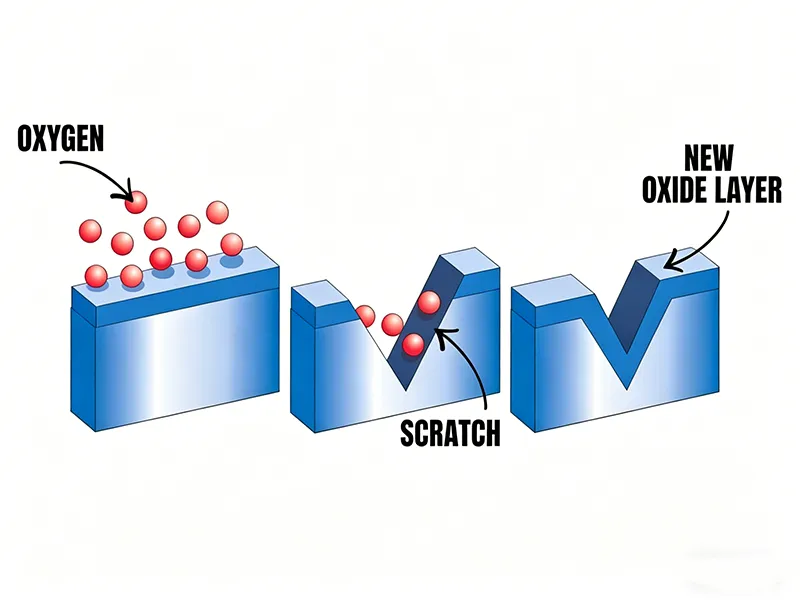
The chromium-oxide film is only a few nanometers thick, but it acts like a shield. It prevents oxygen and water from reaching the underlying iron atoms in the steel. Think of it as a self-sealing invisible coating. Even if the film is scratched or damaged, it self-heals: exposed chromium in the steel quickly re-oxidizes when oxygen is present, recreating the barrier, as explained in this passive layer overview. For example, if you cut or grind stainless steel and then expose it to air, a new oxide layer will form over 24–48 hours once oxygen is available.
This self-repairing passive film is why stainless steel resists rust so much better than ordinary steel. When regular (carbon) steel rusts, it forms flaky iron oxide that keeps growing and flaking off, exposing fresh metal to continue corroding. In stainless steel, by contrast, the chromium oxide stays adherent and stops most corrosion from progressing. Only in very aggressive situations (strong chlorides, oxygen-starved crevices, or with abrasive damage) can this film be overwhelmed.
What Causes Stainless Steel to Rust?
Stainless steel will rust if its passive film is breached or cannot form. The most common culprits are:
- Exposure to Chlorides: Chloride ions (from salt) are infamous for attacking stainless steel. Salt spray from the ocean, road salt, bleach, or any chloride-rich environment can penetrate and break down the passive film, leading to pitting and crevice corrosion. For example, even 25 ppm of dissolved sodium chloride can initiate localized corrosion in 304 stainless. Coastal and marine atmospheres carry high chloride loads, and saltwater is especially aggressive. In swimming pools or during cleaning with bleach, residual chlorides on steel can also create tiny corrosive spots. If the steel remains wet (or moisture keeps salts in contact), those pits can grow into holes.
- Surface Contamination: Stainless surfaces must be clean to heal their oxide layer. If iron debris or carbon steel “slivers” from tools or fabrication touch the surface, they embed and rust, causing spot corrosion. Such contamination forms tiny galvanic cells: the foreign iron acts like an anode and eats away, while stainless acts like the cathode, making the problem worse. Even fingerprints with salts or particles, or welding slag, can damage the passive film locally. In short, any ferrous dirt or grinder dust on stainless can be a corrosion starter.
- Lack of Oxygen: The passive layer needs oxygen to regenerate. In tight, stagnant areas (crevices, gasket joints, clamp interfaces, underneath deposits), oxygen is depleted. Inside these oxygen-starved zones, the protective film can’t re-form after tiny attacks, so corrosion runs unchecked. This phenomenon, called crevice corrosion, often appears under gaskets, spacers, or where dirt accumulates. Sea-charged water trapped in a seam will also turn acidic as metal dissolves, attacking the metal from within.
- Poor Maintenance: Dirt, chemicals, or moisture left on stainless steel can undermine corrosion resistance. Long-term neglect allows salts and contaminants to stay in contact and weaken the film. For example, leaving a stainless sink full of chlorinated water or heavy grime can produce rust stains. Without regular cleaning, grime holds moisture, and rust can form along seams or scratches. Adequate washing (with mild soap and water) is essential to keep the passive layer intact.
- Wrong Stainless Steel Grade: Using a low-resistance grade in a harsh environment guarantees problems. For instance, ordinary 304 SS may survive indoor use indefinitely, but will pit quickly near the ocean or in a chemical plant. Grade 316 (with added molybdenum) is much better in salty or chemical environments. Ferritic 430 grade has minimal nickel and will rust sooner in wet or acidic conditions. If a 304 or 430 alloy is used outdoors in a marine climate, you will likely see rust, whereas 316 or duplex steel might last decades.
Common Types of Rust and Corrosion on Stainless Steel
When stainless steel does corrode, it usually appears in characteristic forms:
- Surface Rust (Tea Staining): This is a superficial reddish-brown discoloration, often called “tea staining,” that occurs on stainless facades or parts. It is caused by impurities (salt, iron particles) sitting on the surface and oxidizing. Tea staining is usually only cosmetic – it doesn’t immediately affect strength – but it mars the appearance, as noted in this tea staining reference. It can often be cleaned off. Surface rust can also appear around welds or in dull areas.
- Pitting Corrosion: Pits are small deep holes that form when chloride attacks a localized spot. They start at defects or inclusions in the oxide layer. You might see tiny “Swiss-cheese” spots with a dark interior. Pitting often goes unnoticed until many spots are present. Warm, humid, saline environments (or drying saltwater droplets) accelerate pit growth. Importantly, pitting can perforate a thin sheet or tube wall if allowed to continue.
- Crevice Corrosion: Similar to pitting, but it happens specifically in narrow gaps or joints. In a crevice (e.g. under a washer or bolt head), stagnant liquid causes oxygen depletion and the solution inside turns acidic. The crevice interior becomes anodic relative to the outside, and aggressive chloride-rich solution attacks the steel. Visually, crevice corrosion may look like a dark line or shallow groove near the edge of a joint.
- Galvanic Corrosion: When stainless steel contacts a different, more anodic metal (like carbon steel or aluminum) in the presence of an electrolyte, a galvanic cell can form. The less noble metal (often iron) corrodes preferentially, and the stainless may corrode around the junction. This happens if you mix fasteners or fittings of different metals. Embedded iron debris can act as a cathode driving corrosion of the stainless.
- Stress Corrosion Cracking (SCC): This is a brittle cracking failure that occurs under tensile stress plus a specific corrosive environment. For austenitic stainless steels like 304 and 316, the classic trigger is chloride stress corrosion cracking: sustained loads (or welding stresses) plus warm chloride solutions (above ~60°C) cause intergranular cracks. The cracks often branch and grow unpredictably, potentially causing sudden failure. SCC is rare in non-stressed parts, but is a serious concern for pressurized or structural components in chloride environments.
Does Stainless Steel Rust in Outdoor Environments?
Outdoor use introduces factors like rain, humidity, and pollutants. Stainless steel will generally outperform carbon steel outdoors, but risks remain. In rainy, temperate climates, regular rainfall actually helps wash away salts and dust, protecting the surface. A smooth stainless surface under rain tends to stay clean. However, in coastal or industrial areas, airborne chlorides and sulfates can accumulate on the metal. For example, salt-laden ocean spray or road de-icing salts can land on a stainless facade and form hygroscopic crystals. These crystals trap moisture even at low humidity and initiate localized corrosion or tea staining.<img src=”【34†embed_image】” alt=”Rust staining on stainless steel façade” />
In very aggressive marine environments, unwashed stainless (even 316) will eventually show rust spots. Urban pollution (sulfur dioxide, chlorides) also promotes the so-called “atmospheric corrosion” of stainless. Outokumpu notes that high-chloride deposition and infrequent natural washing make coastal and polluted urban areas particularly corrosive for stainless steel. Architects often see brown “tea stains” on stainless cladding in such settings.
On the other hand, in mild outdoor conditions (rural or dry climates), stainless steel can remain shiny for years. A well-chosen grade (304 or 316) with a smooth finish and occasional cleaning will resist obvious rust. The key is allowing good drainage and air flow (to avoid standing water) and periodically rinsing off dirt. With the right precautions, stainless steel survives outdoors very well – but one must consider the local climate. Coastal structures generally require 316 stainless or better, whereas inland buildings can often use 304 without problems.
Does Stainless Steel Rust in Water or Saltwater?
Fresh Water: In ordinary water (tap water, rain water, pool water without chlorides), stainless steel (especially 304) rarely rusts. High humidity or splashing alone won’t corrode SS if the water is clean, because the passive film remains intact. However, stagnant pools of water, especially if they contain minerals or chlorine, can lead to crevice corrosion in joints or fixtures.
Saltwater: Marine environments are much tougher. Seawater contains abundant chlorides, and if stainless parts are continually immersed or splashed with saltwater, corrosion risk increases dramatically. In these conditions, grade 316 (or 316L) is generally recommended. 316 contains 2–3% molybdenum, which greatly improves its resistance to saltwater pitting. By contrast, 304 has no molybdenum, so its resistance in saltwater is lower.
For example, in tropical aquariums or seawater tanks, 316L stainless is often used to prevent rust. Even so, over many years, marine stainless steel must be cleaned regularly to remove salt deposits. In extreme cases (boatyard gear, offshore installations), duplex or superduplex stainless (like 2205 or 2507) is used because of its very high chloride resistance. In summary, yes – stainless steel can rust in water, especially saltwater – but choosing a higher grade (316 or duplex) and keeping it clean will greatly slow that corrosion.
Stainless Steel Grades and Rust Resistance
Different stainless grades vary widely in corrosion resistance:
- 304 Stainless Steel: The most common austenitic grade (18% Cr, 8% Ni). It is generally rust-resistant in many conditions (kitchens, indoor decor, freshwater). 304’s corrosion resistance is excellent in oxidizing environments. It’s easy to clean and sanitize, which is why it’s used for kitchen sinks, equipment, and food appliances. However, 304 is weak against chlorides. In even mildly saline conditions it can pit. Near the ocean or with de-icing salts, 304 will show corrosion. So 304 is great for indoor and mild outdoor uses, but not ideal for harsh or marine environments.
- 316 Stainless Steel: Similar to 304 but with about 2–3% molybdenum. This Mo boosts pitting and crevice resistance dramatically. Grade 316 is the second most common SS and is used where chlorides are present – such as coastal installations, chemical tanks, and surgical instruments. In fact, 316 is often specified for marine hardware and medical implants due to its superior corrosion resistance. In practical terms, a 316 part will last far longer than 304 in a salt-rich environment.
- 430 Stainless Steel: This is a ferritic grade with about 17–19% Cr and no nickel. It’s magnetic and relatively inexpensive. 430 provides a basic level of corrosion resistance in dry or mildly corrosive atmospheres (much better than carbon steel), but it is significantly weaker than 304. According to Kloeckner Metals, “grade 304 offers more corrosion resistance than grade 430 because of its higher nickel content”. In practice, 430 is used for indoor trim, automotive parts, or kitchen utensils (fried surfaces) but would rust quickly if used outdoors or in saltwater.
- Duplex Stainless Steels (e.g. 2205, 2507): Duplex grades are mixtures of ferritic and austenitic microstructures. They contain around 22% Cr, ~5–8% Ni, and 3% Mo (for 2205). This combination gives them even higher strength and corrosion resistance than 316. Duplex steels are highly resistant to localized corrosion (pitting, crevice) and also resist chloride stress corrosion cracking much better than 304/316. For this reason, duplex 2205 is often used in very demanding applications like offshore oil rigs, marine cranes, and harsh chemical environments. In summary: 304 < 316 < duplex (in corrosion resistance, especially in chlorides).
When choosing a grade, match it to the environment with proper material selection: 304 or 304L for indoor or mild conditions, 316 or 316L for coastal and industrial uses, and duplex or superduplex for extreme marine/chemical service.
How to Prevent Stainless Steel from Rusting
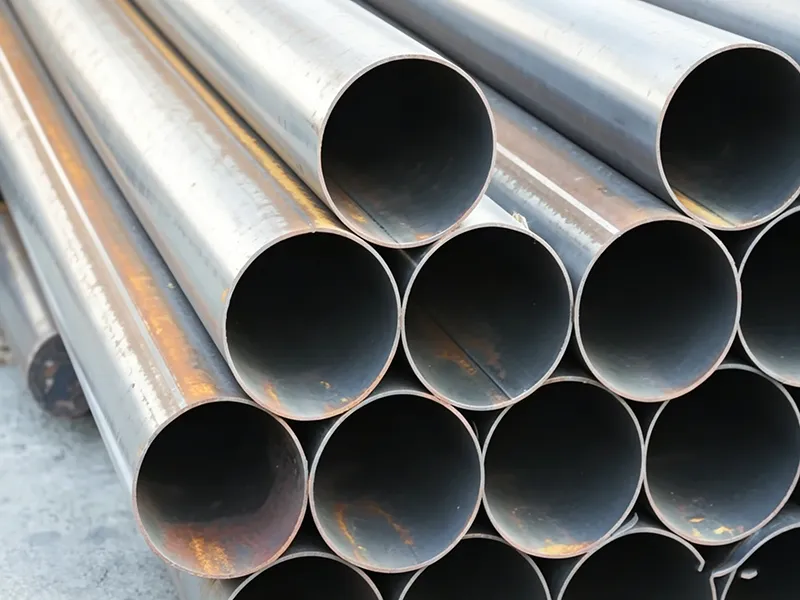
Rust prevention for stainless steel is largely about maintaining the passive layer and avoiding its breakdown. Key strategies include:
- Choose the Right Grade: Use a stainless alloy rated for your environment. For example, do not use plain 304 in a pool deck by the ocean – instead use 316 or duplex. In kitchen or indoor use, 304 is typically fine and cost-effective, while 316 should be reserved for saltwater or chemical exposure.
- Keep the Surface Clean: Regular cleaning removes salts, pollutants, and debris before they initiate corrosion. Mild dish soap or detergent and water is often enough. Pay special attention to grooves and welds where dirt can lodge. Always follow cleaning with a thorough rinse and drying. Avoid cleaners that leave residues. Even simple rain can wash away deposited salts, so avoid painting or coating stainless in outdoor applications – let rain rinse the metal. It’s crucial to wipe dry sinks and appliances after use to prevent water spots from becoming salt deposits.
- Avoid Chloride Exposure: Limit use of chlorine-containing cleaners or salts. Never use bleach (sodium hypochlorite) or other chlorides on stainless steel, as they attack the passive layer. If salt spray or saltwater contacts the steel, rinse it off quickly. In coastal areas, occasional fresh-water rinses of outdoor stainless can prevent salt buildup. De-icing salt (rock salt) should never be piled on or splash onto stainless; use stainless-friendly de-icers instead.
- Prevent Cross-Contamination: Use clean, stainless-only tools when fabricating or handling stainless steel. Avoid cutting or grinding with carbon steel tools without protecting the SS. As Northern Manufacturing notes, even small iron filings or carbon steel particles act like galvanic anodes and can start rust patches. For welders and fabricators, thorough pickling or passivation after welding will remove any iron contamination on the surface.
- Use Proper Surface Finishing: A smoother finish holds fewer contaminants and is harder for rust to latch onto. Polished or electropolished surfaces self-clean more easily. If the steel is rough or dull, it will trap more dirt and moisture. Avoid coarse grinding that can introduce embedments or deep scratches.
- Apply Passivation (When Needed): After welding or heavy forming, the passive layer can be disrupted. A post-fabrication passivation step (such as a dilute nitric acid bath) will dissolve any free iron or heat tint and encourage a uniform chromium-oxide film. Thyssenkrupp points out that even if the oxide is destroyed by harsh conditions or scratches, a proper clean & passivate treatment will reform it.
- Design for Drainage and Access: In engineering applications, design components so that water and debris cannot pool in crevices. Include drainage holes and ventilation. This prevents “time of wetness” buildup that accelerates corrosion.
How to Remove Rust from Stainless Steel
If surface rust or stains appear, gentle cleaning methods can restore the finish:
- Light Rust Removal: For minor surface rust (tiny brown spots), household remedies often work. A paste of baking soda and water, rubbed gently along the grain, can lift light rust. White vinegar or lemon juice (both contain mild acids) can also dissolve rust when applied and scrubbed with a soft cloth. Even a raw potato (oxalic acid) can remove a rust spot. Commercial cleaners like Bar Keepers Friend (oxalic-acid based) are formulated for stainless rust spots and can be very effective. Always rinse thoroughly after using any cleaner.
- Use the Right Products: Look for cleaners specifically designed for stainless steel or one containing citric or oxalic acid. These dissolve iron oxide without scratching the metal. After cleaning, polishing with a microfiber cloth will restore shine.
- What to Avoid: Never use steel wool, wire brushes, or abrasive pads on stainless steel – they introduce iron particles and scratch the surface, causing more rust spots. Avoid abrasive powders or bleach-based cleaners, as these will damage the finish. Even a scouring pad can leave microscopic steel bits embedded. Always scrub gently with a soft cloth or non-scratch sponge.
- Refinish or Replace If Necessary: If corrosion has pitted deeply or compromised the part (e.g. safety equipment), the only solution is to grind out pits, weld patches, or replace the component. After severe rust is removed, repassivation (with acid) and polishing may be needed to restore full protection.
Does Stainless Steel Rust Compared to Other Metals?
Stainless steel’s corrosion resistance is far superior to plain carbon steel. Carbon (mild) steel has no chromium and forms red flaky rust almost immediately in wet air. By contrast, stainless steel’s chromium oxide layer keeps rust rates extremely low; well-maintained stainless parts often show less than 0.002 inches of corrosion per year.
Compared to galvanized steel, stainless is also better in longevity. Galvanized steel is just carbon steel with a zinc coating that sacrifices itself to prevent rust. Once the zinc is worn or scratched away, the underlying steel will rust quickly. Stainless steel carries its corrosion protection throughout the bulk material, so it won’t start rusting even if scratched (as long as it passivates afterward).
Against aluminum, the trade-offs are different. Aluminum naturally forms its own oxide layer, but it is a softer metal and can “chalk” (oxidize) in chloride or basic solutions. Aluminum in contact with stainless steel can create galvanic corrosion (aluminum acting as the anode). Stainless steel is heavier and stronger than aluminum, and maintains strength at higher heat. In general, stainless resists moisture and chemicals better than aluminum, but each has its place (e.g. aluminum is lighter and used for frames, while stainless is used for shafts, fasteners, and more corrosive environments).
Common Applications Where Rust Resistance Matters
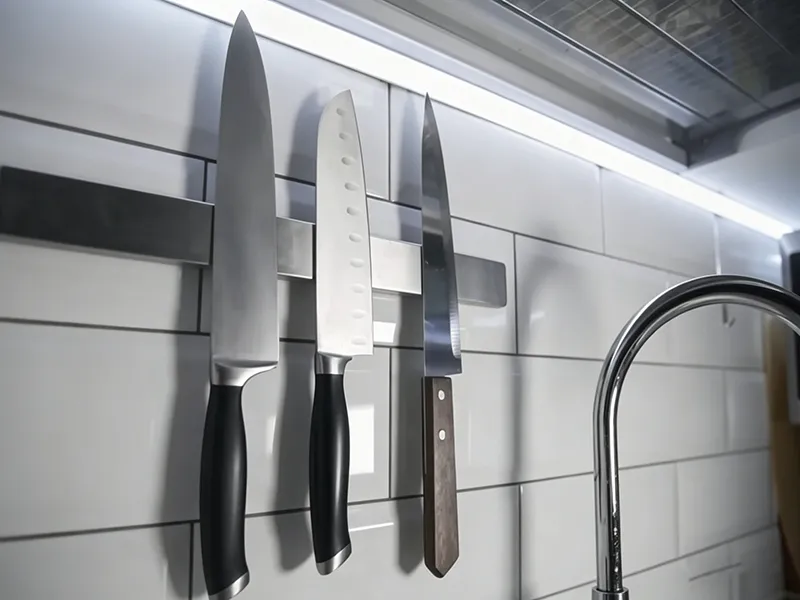
Because of its rust resistance, stainless steel is widely used in fields where corrosion could cause failure or unsanitary conditions:
- Kitchen Equipment: 304 (and sometimes 316) stainless is ubiquitous in foodservice and kitchen appliances (sinks, countertops, cookware, cutlery). Its ease of cleaning and hygiene is paramount. For example, commercial kitchen hoods, restaurant counters, and high-end cookware are typically stainless because it won’t impart flavor or contamination and can be sanitized.
- Medical Devices: Because stainless is non-reactive and sterilizable, grades 316 and 304 are used for surgical instruments, implants, and medical equipment. The additional molybdenum in 316 helps it endure sterilization chemicals without corroding. Stainless steel surgical trays, forceps, and hospital fixtures all rely on its rust resistance.
- Marine Hardware: Boat fittings, railings, propeller shafts, and offshore equipment use 316 or duplex stainless. These alloys withstand salt spray and seawater. For instance, 2205 duplex has been used for marine cranes and offshore oil rig parts, where its high strength and pitting resistance are essential.
- Outdoor Architectural Parts: Stainless steel is popular for facades, railings, sculptures, and bridges. Designers choose it for a clean, modern look and low maintenance. However, in corrosive climates, architects use higher grades or apply protective finishes to prevent tea staining.
- Industrial Machinery: Chemical processing tanks, food processing equipment, and pharmaceutical plant components are often stainless (316 or higher). Pumps, valves, and piping that handle corrosive fluids use stainless to avoid rust contaminating the product. For example, 316 is used in chemical and pharmaceutical manufacturing, as well as in high-saline environments. Even general manufacturing uses stainless fasteners and bearings where possible to increase service life.
Common Misunderstandings About Stainless Steel Rust
- “Stainless Steel Never Rusts” is a Myth: No stainless steel is invulnerable. All stainless can corrode if the protective layer fails. Hearing of a rusted stainless rail doesn’t mean it was “bad steel” – it often means the conditions were simply too harsh for that alloy.
- Surface Discoloration ≠ Structural Corrosion: Brown or yellow stains on stainless often come from external iron or salt deposits, not from the steel itself. This tea staining looks unsightly but is usually only a surface issue. It can often be cleaned off and doesn’t mean the steel’s strength is compromised.
- Expensive Alloy Isn’t Always the Best Choice: Simply buying a higher-priced stainless doesn’t guarantee immunity. For example, using 304 stainless (which is more expensive than 430) on a beachside railing still failed because 304 is susceptible to chlorides. In a Florida example, a contractor tried saving money with 304 on an oceanfront deck, only to have it pit badly within 18 months. In that case 316 (30% more expensive) would have been far more reliable.
- Surface Finish is Crucial: Often people focus on the grade and forget finish. A poorly finished or rusty-looking stainless can corrode even if it’s a good alloy. Smooth, polished, clean surfaces resist corrosion best. Rough grinding or improper welding (leaving heat tint) can create sites for rust. Always ensure stainless is finished and cleaned correctly for the environment.
Summary
- Can stainless steel rust? Yes – it can, but usually very slowly. It forms a self-healing chromium-oxide layer that prevents most rust, but if that layer is damaged or overwhelmed (by chloride, dirt, lack of oxygen, etc.), corrosion will begin.
- Why does it rust? Chlorides, surface contamination (iron particles), poor maintenance, and unsuitable grade choice break down the passive film. In low-oxygen crevices or under heavy stain, the film can’t renew, leading to crevice corrosion.
- Prevention: Use the right stainless grade for the job (e.g. 316 or duplex for marine), design to avoid water traps, keep stainless very clean, and avoid introducing chlorides or iron onto its surface. After fabrication, passivate the steel to restore the protective film.
- Cleaning and repair: If rust appears, remove it gently (baking soda paste, mild acid cleaners like oxalic acid) and rinse. Never use steel wool or bleach. For deep corrosion, polish or reapply passivation, or replace the part if necessary.
- Choose wisely: In summary, stainless steel is highly rust-resistant but not infallible. By understanding how its protective layer works and what attacks it, you can ensure stainless parts last a very long time with minimal rust problems.
FAQ
- Does stainless steel rust over time?
Given enough time in a sufficiently aggressive environment, yes. Under normal conditions it corrodes extremely slowly, but over years and without maintenance even stainless steel can show signs of rust. - Can 304 stainless steel rust?
Absolutely. Grade 304 is great for indoor use, but it can rust in presence of chloride or dirty conditions. Even very low levels of salt (25 ppm NaCl) can start pitting in 304. Use 316 for better performance in such cases. - Is 316 stainless steel rust proof?
No metal is completely rustproof. Grade 316 is highly rust-resistant, especially to saltwater, due to added molybdenum. It is considered “marine grade.” However, it can still corrode in extremely harsh conditions (e.g. sub-zero oxygen or very high temperatures) or if scratched badly. For the most corrosive service (hot brine, seawater immersion), super-duplex or higher-alloy materials might be used. - Why is my stainless steel rusting?
Common causes include surface contamination (iron/steel particles), exposure to chlorides (saltwater, bleach), or lack of cleaning. For example, steel wool fibers left on stainless, or salt deposits from sprinkler water, will cause rust spots. Also check that your grade is suitable for the environment. - How do you remove rust from stainless steel?
For light surface rust, try household remedies: scrub with a baking-soda paste, use white vinegar or lemon juice, or a commercial non-abrasive cleaner (e.g. Bar Keepers Friend which contains oxalic acid). Always scrub along the grain and rinse thoroughly. For stubborn rust, use a specialized stainless steel cleaner or a rust-remover product. Then dry the metal and consider passivating it. - What stainless steel grade is best for outdoor use?
For most outdoor (non-coastal) use, 304 is often sufficient. For harsh or salty conditions (near the sea, on boats, or where de-icing salts contact the metal), 316 or 316L is usually recommended. In extremely corrosive environments (severe marine, industrial chemicals), duplex stainless (like 2205) or even higher alloys may be needed.
Sources: Information in this article is drawn from materials science publications and industry references, including technical articles by ThyssenKrupp Materials, Scientific American, and engineering blogs. Specific facts (such as alloy compositions and corrosion resistance) come from manufacturer technical data and corrosion handbooks. All cited content uses the notation linking to authoritative sources on stainless steel corrosion and prevention.