Introduction
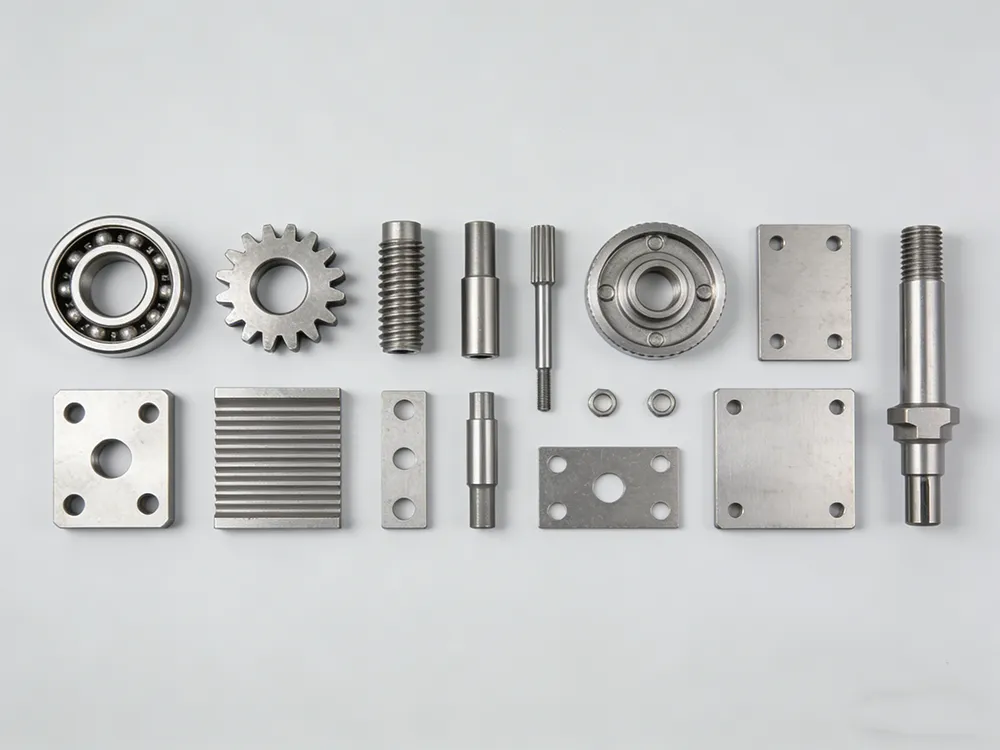
In modern manufacturing, CNC machining is widely used to produce precise and high-quality parts for many industries. However, the machining process alone does not always provide the final surface quality required for a product. This is why surface finishing is an essential step in the production of many CNC machined components.
Surface finishing refers to a range of post-processing techniques used to improve the surface characteristics of a part after machining. These processes can significantly enhance a component’s appearance, durability, and functional performance.
For example, surface finishing can improve corrosion resistance, increase wear resistance, and create a smoother or more attractive appearance. In many industries, including aerospace, medical devices, and consumer electronics, proper surface finishing is essential for ensuring both product performance and visual quality.
Another important reason for applying surface finishing is to extend the service life of machined parts. By protecting surfaces from oxidation, moisture, or mechanical wear, finishing processes help components maintain their structural integrity over time.
In this article, we will explore the most common surface finishing methods used for CNC machined parts, examine their advantages and limitations, and provide practical guidance on how to choose the right surface finish for your application.
Compared with some additive manufacturing methods such as CNC vs 3D printing, CNC machining often produces parts with better surface finish and dimensional accuracy.
What Is Surface Finishing in CNC Machining?
Definition of Surface Finishing
Surface finishing in CNC machining refers to the post-processing operations applied to a machined part to modify or improve its surface properties. After a part is produced using CNC milling, turning, or drilling, its surface may still contain machining marks, tool paths, or rough textures. Surface finishing processes are used to refine these surfaces.
These finishing methods may improve several aspects of a component, including:
Surface roughness
Visual appearance
Mechanical performance
Corrosion resistance
Wear resistance
Depending on the application, surface finishing may be used either for functional improvements, aesthetic enhancement, or both.
Why Surface Finishing Is Important
Surface finishing plays a crucial role in ensuring that CNC machined parts meet the performance and quality requirements of modern products.
One of the primary benefits is improved corrosion resistance. Many metal components are exposed to moisture, chemicals, or harsh environments, which can lead to oxidation or corrosion over time. Surface treatments such as anodizing or electroplating help protect the material and extend its lifespan.
Another important advantage is enhanced wear resistance. Certain finishing processes increase surface hardness, allowing parts to withstand friction and repeated mechanical contact without excessive wear.
Surface finishing also improves the visual appearance of machined components. For products such as consumer electronics or automotive parts, surface texture and color play an important role in overall product design.
In addition, surface finishing can help meet industry standards and functional requirements. For example:
Medical devices require smooth surfaces for hygiene and safety.
Aerospace components demand corrosion resistance and durability.
Consumer electronics often require decorative finishes for aesthetics.
Because of these factors, surface finishing has become an essential step in many CNC machining workflows.
Common Surface Finishing Methods for CNC Machined Parts
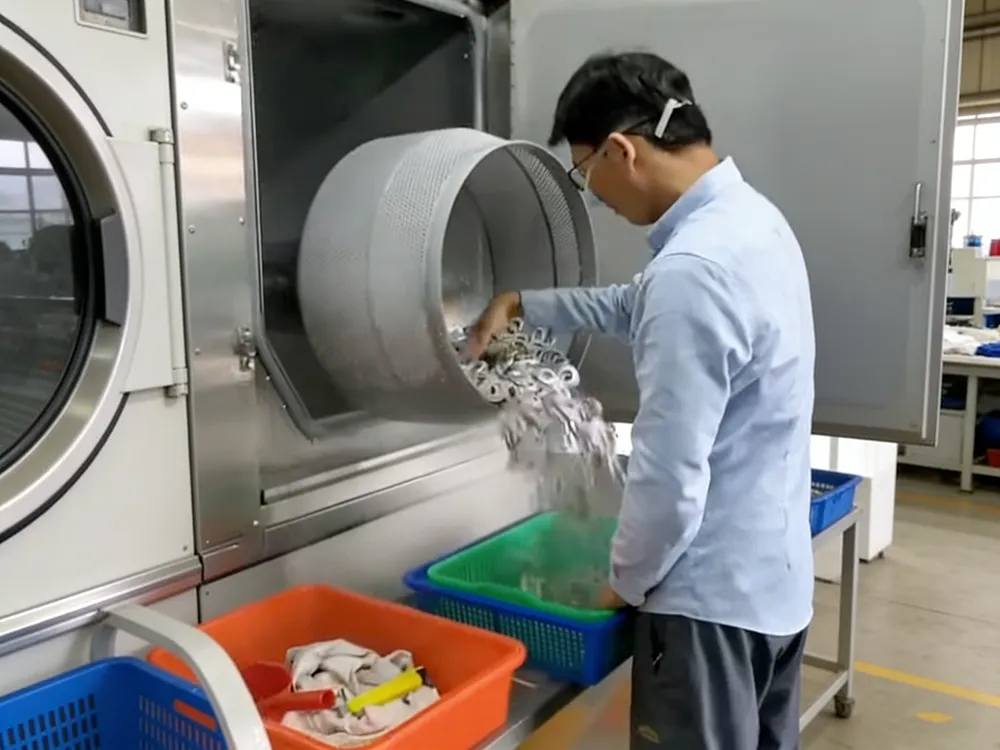
Several surface finishing techniques are commonly used for CNC machined components. Each method offers unique advantages depending on the material, function, and desired appearance of the part.
Anodizing
Anodizing is one of the most widely used surface finishing methods for aluminum CNC machined parts. It is an electrochemical process that converts the metal surface into a durable oxide layer.
This oxide layer provides several benefits:
Excellent corrosion resistance
Increased surface hardness
Improved wear resistance
Ability to add decorative colors
There are different types of anodizing processes. Type II anodizing is commonly used for decorative finishes and corrosion protection, while hard anodizing produces a thicker and harder oxide layer suitable for high-performance applications.
Anodized aluminum parts are widely used in industries such as consumer electronics, aerospace engineering, and industrial equipment manufacturing.
Powder Coating
Powder coating is a finishing process in which dry powder particles are electrostatically applied to a metal surface and then cured at high temperature to form a solid protective layer.
Compared with traditional liquid painting, powder coating offers several advantages:
Strong corrosion resistance
Durable and thick coating
Uniform surface coverage
Wide range of colors and textures
Because of these properties, powder coating is commonly used for industrial equipment, machinery frames, and outdoor mechanical components.
Electroplating
Electroplating is a process that deposits a thin layer of metal onto the surface of a component using an electric current. This method improves both the functional and decorative characteristics of CNC machined parts.
Common electroplating materials include:
Nickel plating
Chrome plating
Zinc plating
These coatings can improve corrosion resistance, enhance electrical conductivity, and create a bright or polished appearance.
Electroplating is widely used in electronics manufacturing, automotive components, and hardware products.
Bead Blasting
Bead blasting is a mechanical surface finishing process that uses fine glass beads or abrasive particles to impact the surface of a part at high speed.
This process creates a uniform matte texture and removes machining marks or surface imperfections. Bead blasting is particularly popular for aluminum CNC parts where a clean and consistent appearance is desired.
Advantages of bead blasting include:
Improved surface uniformity
Removal of machining tool marks
Attractive matte finish
It is commonly used for aluminum housings, consumer electronic enclosures, and precision mechanical components.
Polishing
Polishing is a finishing technique used to create extremely smooth and reflective surfaces. This process may involve mechanical polishing, chemical polishing, or a combination of both.
The benefits of polishing include:
Reduced surface roughness
High gloss appearance
Improved cleanliness and hygiene
Polishing is often used for high-precision components and parts requiring aesthetic appeal, such as medical instruments, decorative metal components, and optical equipment.
Surface Roughness in CNC Machining
Surface roughness is an important parameter used to measure the texture and quality of a machined surface. It is typically expressed using the Ra value, which represents the average roughness of a surface profile.
Lower Ra values indicate smoother surfaces.
Typical surface roughness levels for CNC machined parts include:
| Surface Finish | Typical Roughness |
|---|---|
| Standard CNC machining | Ra 3.2 μm |
| Fine machining | Ra 1.6 μm |
| Polished surface | Ra 0.8 μm |
Different surface finishing processes can significantly affect these values. For example, polishing can reduce roughness to extremely low levels, while bead blasting produces a consistent matte texture with moderate roughness.
Selecting the appropriate surface roughness is important because it can influence friction, sealing performance, and overall product appearance.
Surface roughness parameters are defined in international engineering standards published by the International Organization for Standardization (ISO).
Factors That Affect Surface Finishing Quality
Several factors can influence the final surface quality of CNC machined parts.
Machining Parameters
Machining parameters such as cutting speed, feed rate, and tool path directly affect surface quality during the machining process.
Improper cutting parameters may cause:
Rough surfaces
Tool marks
Vibration patterns
Optimizing machining parameters helps create a better surface before finishing operations are applied.
Tool Condition
The condition of cutting tools also plays a significant role in surface finishing quality. Worn or damaged tools may produce rough textures or inconsistent machining marks.
Regular tool inspection and replacement help maintain consistent surface quality and machining accuracy.
Material Type
Different materials respond differently to machining and finishing processes.
For example:
Aluminum is relatively easy to machine and can produce smooth surfaces.
Stainless steel is harder and may require specialized finishing techniques.
Brass often provides excellent surface finish after machining.
Plastics may deform under certain conditions.
Material properties such as hardness, ductility, and thermal conductivity all influence the achievable surface finish.
Post-Processing Methods
The final surface appearance also depends heavily on the selected finishing method. Different processes produce different textures, colors, and protective properties.
Choosing the right post-processing method is essential for achieving the desired performance and visual characteristics.
How to Choose the Right Surface Finish
Selecting the appropriate surface finish requires balancing functional requirements, aesthetics, and cost considerations.
Important factors to consider include:
Product function
Visual appearance requirements
Environmental conditions
Material type
Budget constraints
For example, parts used in outdoor environments may require corrosion-resistant coatings, while consumer electronics often use anodized finishes for both protection and visual appeal.
Precision mechanical components may require polishing or fine machining finishes to ensure smooth operation and reduced friction.
Working closely with a manufacturing partner can help determine the most suitable finishing method for a specific project.
Surface Finishing Cost Considerations
Surface finishing processes can influence the overall CNC machining cost, since additional finishing steps require extra processing time, labor, and equipment. The total cost depends on several factors, including the complexity of the finishing process, part size, and production volume.
Typical cost levels for common finishing methods are shown below:
| Surface Finish | Cost Level |
|---|---|
| Bead blasting | Low |
| Anodizing | Medium |
| Electroplating | Medium |
| Polishing | High |
Processes such as bead blasting are relatively inexpensive and often used for aesthetic improvements. In contrast, polishing and specialized coatings may require additional labor, equipment, and processing time, which increases the overall cost.
Designers should carefully consider whether a specific finishing process is necessary for the intended function of the part.
Applications of Surface Finishing in CNC Machining
Surface finishing is widely used across many industries that require durable and high-quality components.
In the aerospace industry, surface treatments help protect components from corrosion and extreme environmental conditions.
In automotive manufacturing, finishing processes improve wear resistance and visual appearance for various mechanical parts.
In consumer electronics, anodized aluminum surfaces are commonly used for device housings due to their durability and aesthetic appeal.
In the medical industry, smooth and polished surfaces are essential for hygiene, safety, and reliability.
Surface finishing is also widely applied in industrial machinery, where protective coatings help components withstand harsh working environments.