Titanium is widely used in aerospace, medical, automotive, and industrial applications due to its exceptional strength, low weight, and corrosion resistance, and it is also considered one of the most advanced materials used in CNC machining. However, many people still ask a common question: does titanium rust?
Understanding how titanium reacts to environmental conditions is essential when selecting materials for long-term performance. In this article, we will explore whether titanium rusts, how it resists corrosion, and why it is considered one of the most durable metals in modern manufacturing.
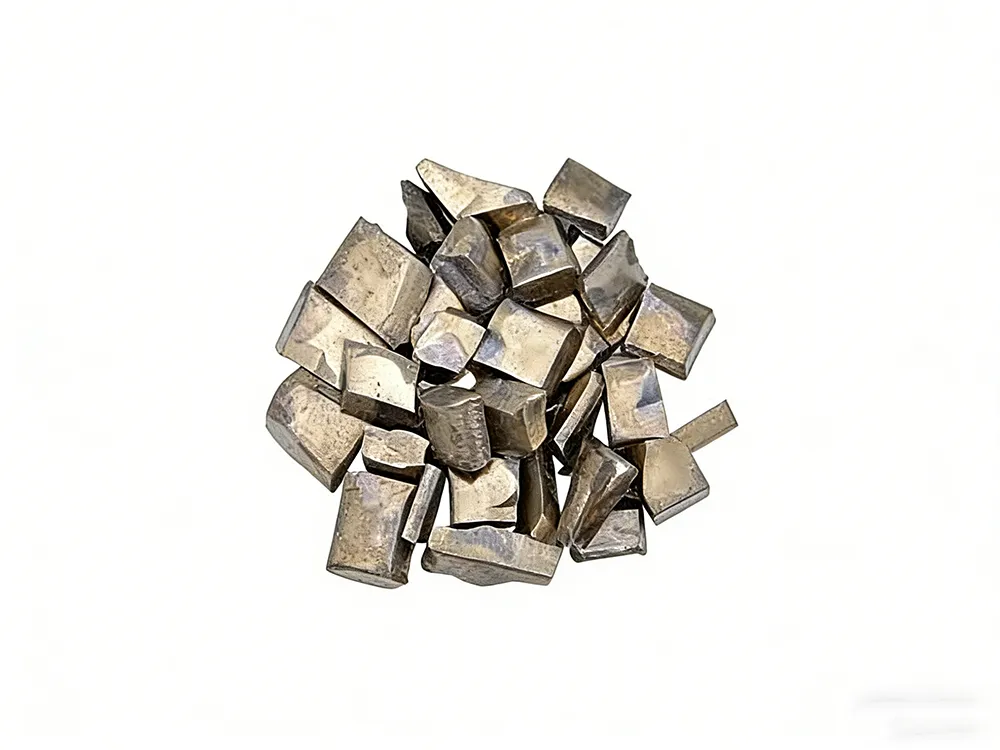
What Is Rust?
Before answering the main question, it’s important to understand what “rust” actually means.
Rust specifically refers to the corrosion of iron and steel. It occurs when iron reacts with oxygen and moisture, forming iron oxide—a reddish-brown flaky substance.
Key points:
- Rust only applies to iron-based materials
- It requires oxygen and water
- It weakens the material over time
This means not all metals “rust” in the technical sense.
Does Titanium Rust?
The short answer is: No, titanium does not rust.
Titanium does not contain iron, so it cannot form iron oxide (rust). Instead, titanium behaves very differently when exposed to oxygen.
When titanium comes into contact with air, it forms a thin, stable oxide layer on its surface. This layer acts as a protective barrier, preventing further corrosion.
Why Titanium Does Not Rust
Titanium’s excellent corrosion resistance comes from its unique chemical properties.
Passive Oxide Layer
Titanium naturally forms a layer of titanium dioxide (TiO₂) when exposed to oxygen, a process widely explained by organizations such as the Titanium Information Group.This layer:
- Is extremely thin but highly protective
- Prevents oxygen and moisture from penetrating the surface
- Self-repairs if damaged
Self-Healing Ability
If the oxide layer is scratched or removed, titanium immediately reacts with oxygen to rebuild the protective layer. This self-healing characteristic is one of the key reasons titanium performs so well in harsh environments.
Strong Chemical Stability
Titanium is highly resistant to chemical reactions, including exposure to:
- Saltwater
- Chlorides
- Many acids, as explained in engineering references such as the Engineering Toolbox
This makes it ideal for marine and chemical applications.
Can Titanium Corrode?
Although titanium does not rust, it is not completely immune to all forms of corrosion.
Extreme Conditions
Under certain extreme environments, titanium may experience corrosion:
- High temperatures
- Strong acids (e.g., hydrofluoric acid)
- Low oxygen environments
Galvanic Corrosion
When titanium is in contact with dissimilar metals in an electrolyte (like saltwater), galvanic corrosion may occur in the other metal.
Crevice Corrosion
In tightly confined spaces with limited oxygen, the protective oxide layer may weaken, leading to localized corrosion.
However, these cases are rare and typically occur only in highly specialized conditions.
Titanium vs Other Metals
Comparing titanium with other metals such as nickel helps highlight its corrosion resistance.
Titanium vs Steel
- Steel rusts easily when exposed to moisture
- Titanium does not rust and requires minimal protection
Titanium vs Aluminum
- Aluminum forms a protective oxide layer but is less durable
- Titanium offers stronger corrosion resistance and higher strength
Titanium vs Stainless Steel
- Stainless steel resists rust but can corrode in harsh environments
- Titanium provides superior resistance, especially in saltwater and chemical conditions
Advantages of Titanium in Industrial Applications
Because titanium does not rust and resists corrosion, it is widely used across industries.
Aerospace Industry
Titanium is used in aircraft structures and engine components due to its strength and resistance to extreme conditions.
Medical Applications
Titanium is biocompatible and corrosion-resistant, making it ideal for implants and surgical instruments.
Marine Engineering
Its resistance to saltwater corrosion makes titanium perfect for ship components and offshore equipment.
Chemical Processing
Titanium withstands aggressive chemicals, increasing equipment lifespan and safety.
Titanium in CNC Machining
Titanium is also commonly used in CNC milling and turning for high-performance parts.
Benefits:
- Excellent strength-to-weight ratio
- Corrosion resistance reduces maintenance
- Long service life
Challenges:
- Difficult to machine due to hardness
- Requires specialized tools and cutting techniques
- Generates heat during machining
Despite these challenges, titanium remains a top choice for precision components where durability is critical.
How to Maintain Titanium Components
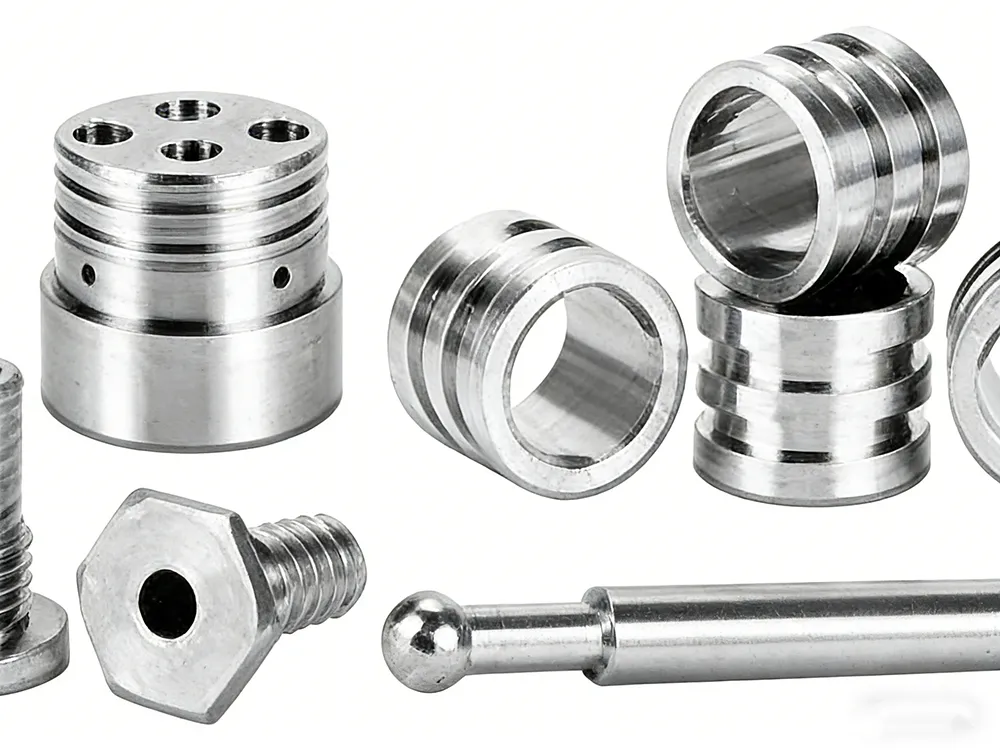
Although titanium is highly resistant to corrosion, proper maintenance can extend its lifespan even further.
Tips:
- Clean surfaces regularly to remove contaminants
- Avoid prolonged exposure to extreme chemicals
- Use compatible materials to prevent galvanic corrosion
In most cases, titanium requires far less maintenance compared to other metals.
Common Applications of Titanium
Titanium is used in a wide range of industries:
- Aerospace components
- Medical implants
- Automotive parts
- Marine equipment
- Industrial machinery
- High-performance consumer products
Its combination of strength, light weight, and corrosion resistance makes it a premium material choice.