CNC SOURCING GUIDE
Online CNC machining can be a better choice when you need access to specialized equipment, more sourcing options, or capacity for repeat production. A local machine shop may be more suitable when your project requires immediate physical access, face-to-face discussions, or frequent prototype adjustments.
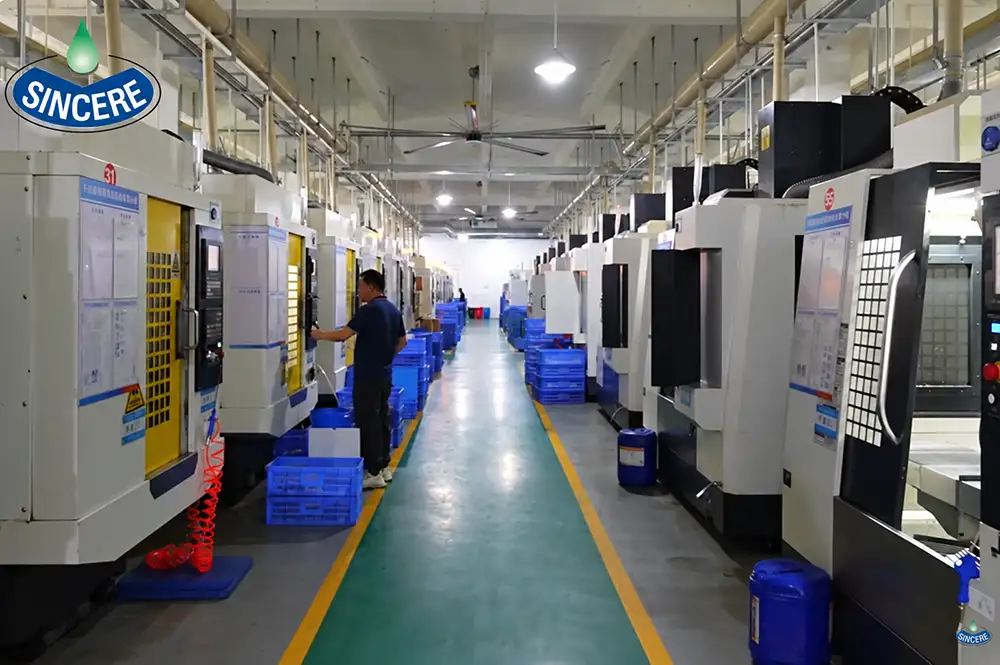
Neither option is automatically better. In an online CNC machining vs. local machine shop comparison, the right answer depends on your part geometry, budget, deadline, tolerances, and production quantity.
This guide compares the factors that affect purchasing decisions, helping you evaluate suppliers beyond the quoted unit price and find a manufacturing partner that fits your project.
IN THIS GUIDE
Overview · Cost · Lead time · Quality · Engineering support · Production capacity · Supplier checklist · FAQ
AT A GLANCE
| Factor | Online CNC machining | Local machine shop |
|---|---|---|
| Access | Remote file submission and reviews | Convenient visits and physical sample reviews |
| Cost | Broader sourcing options; shipping matters | Pickup can reduce logistics costs |
| Speed | Depends on capacity and delivery route | Convenient for urgent changes and collection |
| Quality | Depends on processes and inspection | Depends on processes and inspection |
| Scaling | May offer broader production resources | Depends on available equipment and capacity |
What Is the Main Difference?
Online CNC machining services let you submit CAD files, request quotations, review engineering feedback, and manage orders remotely. Depending on the provider, parts may be manufactured in its own facility or through a supplier network. This expands your search beyond nearby businesses, but you should confirm who will manufacture and inspect your parts.
A local machine shop offers geographical proximity. You can bring an existing component, discuss fit issues in person, and arrange collection without long-distance shipping. Its capabilities depend on its equipment, workforce, and current workload.
These categories overlap: a local CNC machine shop may also accept orders online. The meaningful distinction is how each supplier handles access, communication, manufacturing, and logistics for your particular project.
Which Option Is More Cost-Effective?
CNC machining costs depend on material, programming, setup, tooling, cutting time, tolerances, inspection, surface finishing, and order quantity. Delivery charges also affect the final bill. For a deeper breakdown of these factors, see our CNC machining cost guide.
Online CNC machining may offer a cost advantage when a provider has suitable equipment, available capacity, or an efficient process for your parts. Comparing suppliers across regions can reveal more options, especially for repeat orders where setup costs can be spread across multiple units.
A local shop may be more economical for one or two urgent components. Collection can eliminate shipping charges, while an in-person discussion may resolve an unclear requirement before it causes rework.
For a fair CNC machining supplier comparison, send every supplier the same drawing revision and requirements. Ask whether quotations include:
- Material and required certificates.
- Setup, tooling, and minimum order charges.
- Finishing and inspection documentation.
- Packaging, shipping, and any applicable import costs.
Compare total project cost, including the potential cost of delays or rejected parts, rather than unit price alone.
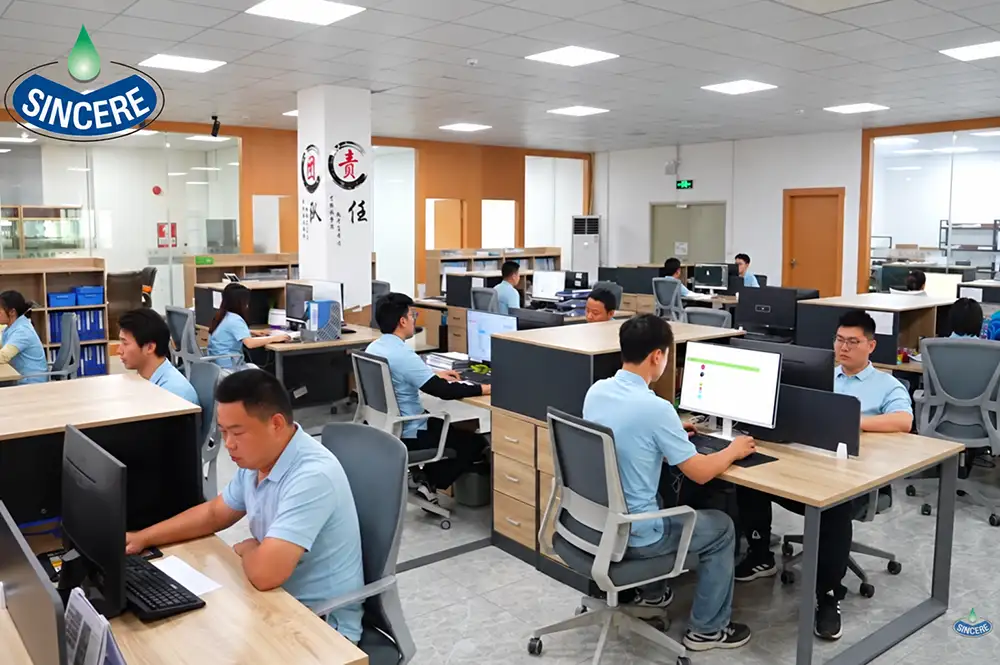
Which Is Faster for Prototypes and Production?
A nearby shop can be faster when you need an urgent prototype modification, can deliver the sample immediately, and can collect the finished part. That advantage depends on the shop having the material, equipment, and time available.
An online supplier may offer an earlier delivery date if it has open machine capacity and an established process for your part. Distance alone does not determine turnaround.
Evaluate CNC lead time as the complete sequence: engineering review, programming, material preparation, machining, finishing, inspection, and shipping. A machining estimate is not necessarily a delivery commitment.
For one urgent prototype, local access may matter most. For 100, 500, or 1,000 parts, production throughput and scheduling become more important. Ask for the expected arrival date, what starts the lead-time clock, and whether finishing or inspection is outsourced.
How Do Quality and Tolerance Capabilities Compare?
Quality depends on supplier capability, not supplier location. Both online and local providers should demonstrate that they can manufacture and verify your specified requirements.
Start with the features that affect fit, function, and assembly. Identify critical dimensions, tolerances, datums, surface finishes, and material requirements clearly. Where GD&T controls are used, ASME Y14.5 provides standardized rules and symbols for communicating dimensional and geometric requirements. Our CNC machining tolerances guide explains how tolerance requirements affect manufacturing difficulty, inspection, and cost. Avoid relying on a CAD model alone when the drawing contains essential acceptance criteria.
Depending on the project, ask about:
- Equipment suitable for the geometry and material.
- In-process inspection and final inspection.
- Coordinate measuring machine (CMM) inspection where appropriate.
- Dimensional reports and first article inspection (FAI).
- Material certificates and traceability.
A nearby general-purpose shop may lack the inspection resources needed for a demanding part. An online supplier’s low quotation is equally unhelpful if critical requirements remain unconfirmed.
Ask how important dimensions will be measured and whether acceptance applies before or after finishing. Requesting a sample inspection report can help clarify what documentation you will receive. You can also review our CNC quality control services for more information about dimensional inspection, reporting, and quality documentation.
Which Offers Better Communication and Engineering Support?
Local shops are convenient when the discussion involves a physical sample, assembly interference, or a design that changes frequently. Face-to-face conversations can make these issues easier to explain.
Online suppliers can support projects through digital CAD reviews, marked-up drawings, video calls, and documented design-for-manufacturability (DFM) review. Written records also help distributed teams follow decisions and drawing revisions.
The better question is whether the supplier asks the right engineering questions before machining. Does it flag difficult features, clarify ambiguous tolerances, confirm the material grade, and identify the approved revision?
Evaluate the quality of its response to your initial inquiry. A useful engineering review explains a concern and proposes an actionable adjustment. Confirm who handles technical questions and how changes affect price, scheduling, and approval before production starts.
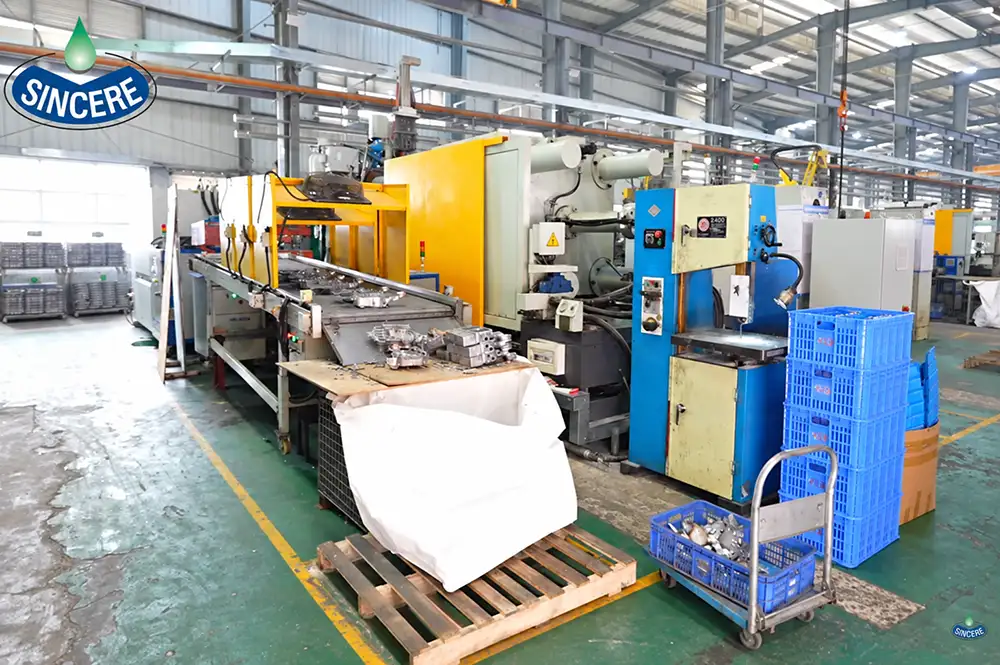
Which Is Better for Complex Parts and Growing Production?
Complex parts may require a combination of 3-axis milling, 5-axis CNC machining, CNC turning, mill-turn operations, electrical discharge machining (EDM), grinding, and finishing. The required process depends on the design; a longer equipment list does not automatically mean a better supplier.
A small local shop may have deep expertise in a particular material or component type. An online provider may offer access to more processes, but confirm which operations it performs directly and which it subcontracts.
Consider a project that progresses from five prototypes to 100 initial production parts, then 500 parts per month. Can the supplier reserve capacity, maintain consistent inspection, and manage repeat orders at that volume?
Ask how tooling, programs, and inspection records are retained. If production moves between facilities, clarify how process consistency and traceability will be maintained.
How Should You Choose a CNC Machining Supplier?
Choose based on the project requirements. Use this table to decide where to begin your supplier search.
| Project situation | Better starting point |
|---|---|
| One urgent prototype with local pickup | Local machine shop with available capacity |
| Frequent physical sample reviews | Local machine shop |
| Complex geometry or tight tolerances | Supplier with verified machining and inspection capability |
| 50–500 repeat parts | Compare online and local production quotations |
| Several manufacturing processes | Supplier that can coordinate the required operations |
| Growing monthly demand | Supplier with demonstrated scalable capacity |
Before placing an order, confirm that the quotation covers the correct material grade, drawing revision, quantity, tolerances, finishing, inspection, and delivery date. Clarify setup fees, revision handling, and the process for resolving nonconforming parts. For production projects, also evaluate the supplier’s quality management system, document control, traceability, and whether relevant certifications such as ISO 9001 apply to your project.
REQUEST A CNC MACHINING QUOTE
Have your CAD files ready? Submit your 3D model and engineering drawing with these requirements for review. An actual part quotation provides a more useful comparison than general claims about either supplier category.
FAQ About Online CNC Machining vs. Local Machine Shops
Is online CNC machining cheaper than a local machine shop?
Sometimes. The answer depends on the part, quantity, supplier capacity, and delivery costs. Compare machining, tooling, inspection, finishing, and shipping using identical requirements.
Is a local machine shop better for prototypes?
It can be, particularly when you need physical sample reviews, frequent adjustments, or immediate collection. An online supplier with available prototyping capacity may also meet a short deadline.
Can online CNC machining handle tight tolerances?
Yes, when the supplier has suitable equipment, process control, and inspection capability. Confirm the specific tolerances and measurement requirements with the supplier before ordering.
There is no universal winner in the online vs. local CNC machining decision. Local shops can be ideal for urgent prototypes and frequent physical interaction. Online suppliers may provide broader sourcing options and capacity for growing production.
The best choice depends on your geometry, quantity, tolerances, inspection needs, delivery deadline, and engineering support. Compare suppliers against the same requirements, then select the partner that can explain how it will deliver acceptable parts consistently. Send your CAD files and project specifications to request a CNC machining quote.