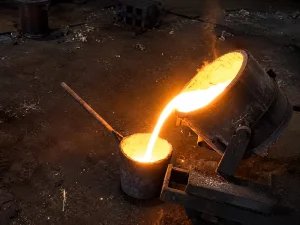
Melting Point of Iron: A Complete Guide for Beginners
The melting point of iron is one of the most important basic facts in metalworking, casting, welding, and materials engineering because it tells you how

The melting point of iron is one of the most important basic facts in metalworking, casting, welding, and materials engineering because it tells you how

Brass density is a small data point with outsized practical impact. For engineers, product designers, CNC machinists, purchasing teams, and manufacturers, density affects how heavy
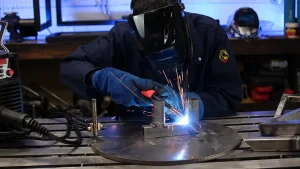
Tack welding is a fundamental step in metal fabrication used to temporarily fix components in place before final welding. In practice, it acts as a
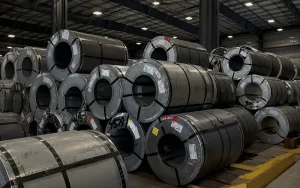
In rapid prototype development, understanding Sheet Metal Material Types helps explain why sheet metal has long remained a mainstream choice not simply because it is
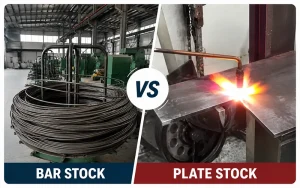
Bar stock and plate stock are two common forms of CNC machining materials used in metal fabrication and industrial manufacturing. Although both may be produced
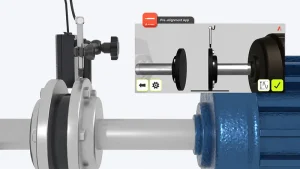
Runout in machining describes how far a rotating cutting tool, spindle, shaft, chuck, or workpiece deviates from its intended axis of rotation. Excessive runout creates
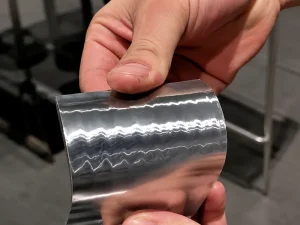
Lightweight metals are engineered alloys with high strength-to-weight ratios and low density (typically well below that of steel). By dramatically reducing component mass without sacrificing strength or performance, they
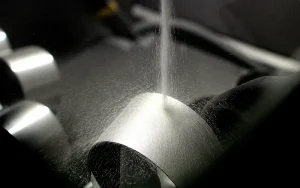
A bead blast finish is a widely used surface treatment for machined and fabricated parts because it can quickly turn a reflective, tool-marked surface into a more
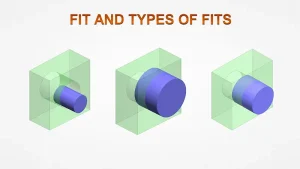
In mechanical engineering, a fit describes the dimensional relationship between two mating parts – typically a shaft and a hole – and determines how they interact. Choosing
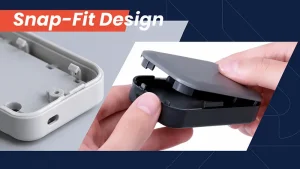
A snap-fit joint is an integral fastening feature molded into parts (typically plastics) that connects two components without screws, adhesives, or welding. In practice, snap
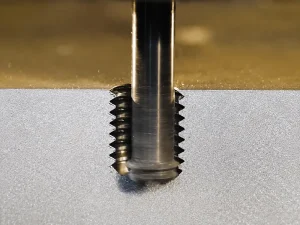
Threaded holes (tapped holes) are essential features in machined parts for connecting components with screws, bolts, or studs. A strong threaded hole requires more than
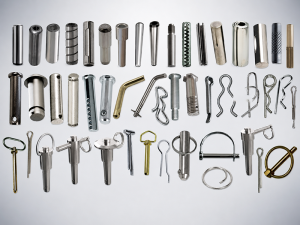
Pins are among the most common mechanical components in engineered assemblies. They are used to align, fasten, locate, lock, join, and sometimes allow controlled movement