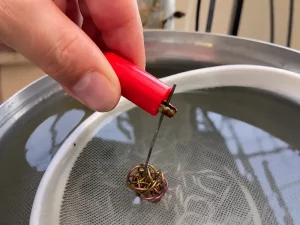
What Is Anodizing in Metal Surface Finishing?
Anodizing is an electrochemical surface finishing process that converts a metal’s surface into a tough, protective oxide layer. It is most commonly applied to aluminum parts (Al

Anodizing is an electrochemical surface finishing process that converts a metal’s surface into a tough, protective oxide layer. It is most commonly applied to aluminum parts (Al
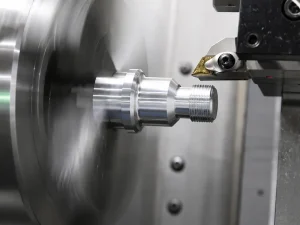
CNC (Computer Numerical Control) machines are automated, computer-controlled machining tools that shape parts by precisely moving cutting tools or the workpiece according to programmed instructions.
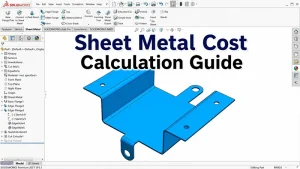
Sheet metal cost calculation is the process of estimating the total manufacturing cost of a sheet metal part. It involves more than just multiplying material

Springs are elastic mechanical components that deform under load and return to their original shape, allowing them to store and release mechanical energy. They are
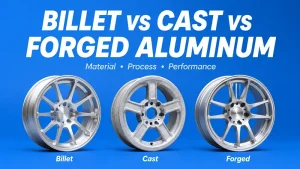
Aluminum parts can be made in three common ways – billet, cast, or forged – and the choice of process dramatically affects the part’s properties
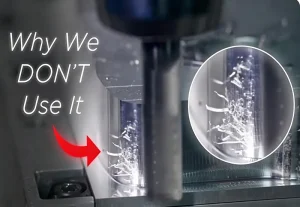
Climb milling (down milling) and conventional milling (up milling) are the two primary milling techniques, distinguished by the direction of cutter rotation relative to feed.

Counterbore and spotface holes are common machined features for fastener seating, but they serve different purposes. A counterbore is a flat-bottomed cylindrical recess larger than the through-hole,
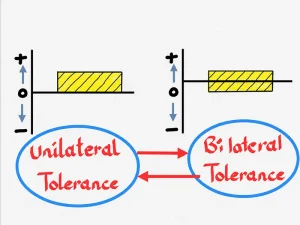
Engineering drawings specify tolerance to define how much a manufactured dimension can vary from its nominal size. Tolerance ensures parts still fit and function despite inevitable machining
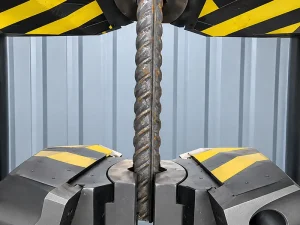
Mild steel (also called low-carbon steel) is a carbon steel alloy with a relatively small amount of carbon. Typically it contains about 0.05–0.25% carbon by
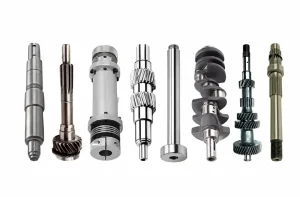
Shafts are cylindrical mechanical components that transmit torque and support rotating loads in machines. They connect power sources (motors, engines) to driven parts (gears, pulleys,
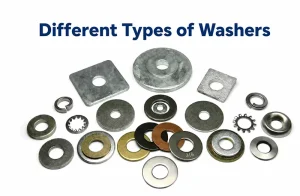
Washers are thin, flat discs with a central hole that fit under bolt heads, nuts, or screws. They distribute clamping loads, protect surfaces, prevent loosening,
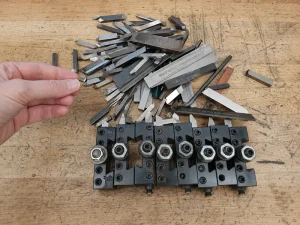
Lathe cutting tools are the working end of CNC turning. They remove material from a rotating workpiece to create diameters, faces, bores, grooves, threads, cutoffs,