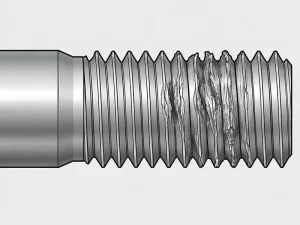
Metal Galling Explained: Causes, Prevention, and Practical Solutions
Metal galling is a severe form of adhesive wear that occurs when two metal surfaces slide under load, their protective films break down, and material

Metal galling is a severe form of adhesive wear that occurs when two metal surfaces slide under load, their protective films break down, and material
PPAP, or Production Part Approval Process, is a structured manufacturing approval method used to prove that a supplier can consistently produce parts that meet engineering
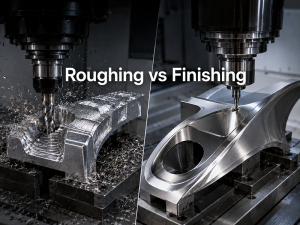
In CNC machining, roughing and finishing are two related but very different process stages. Roughing is designed to remove as much excess material as possible
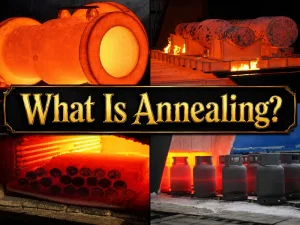
What is annealing? In simple terms, annealing is a heat treatment process used to soften metal, relieve internal stress, and make a material easier to
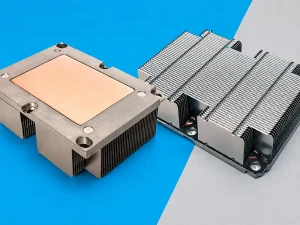
What are heat sinks? Heat sinks are thermal management components designed to move heat away from high-power electronic devices and release it into the surrounding
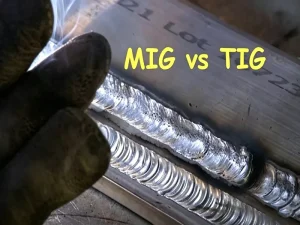
Welding is a craft that blends technical know-how with hands-on skill. Two of the most common arc welding processes are MIG (Metal Inert Gas) and
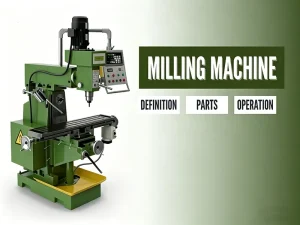
A milling machine is a versatile machine tool that uses one or more rotating cutting tools to remove material from a workpiece. In a typical setup,
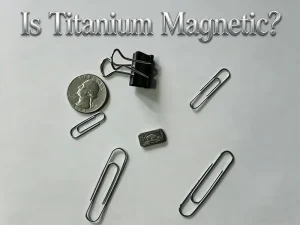
If you are asking is titanium magnetic, the short answer is this: titanium is usually treated as a non-magnetic metal in everyday engineering and manufacturing, because an
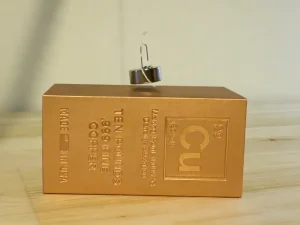
Copper is usually described as a non-magnetic metal, and for most practical purposes that answer is correct. In precise materials-science terms, pure copper is diamagnetic: it

Anyone searching for the strongest metal usually wants one simple winner. Engineering rarely gives that kind of answer. The material that wins on ultimate tensile strength is
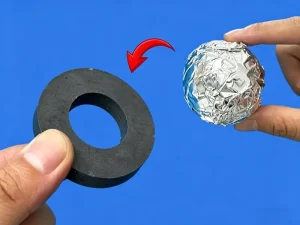
Aluminum sits in an awkward place between everyday language and physics. In everyday shop talk, the answer to “is aluminum magnetic?” is usually no because a hand
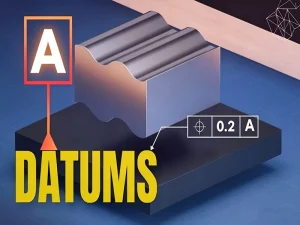
Datums are the quiet foundation under almost every good engineering drawing. They are what let a designer define where a feature should exist in space,